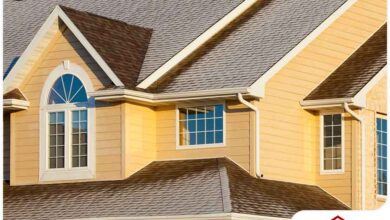
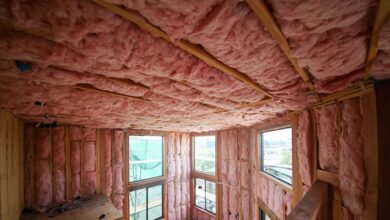
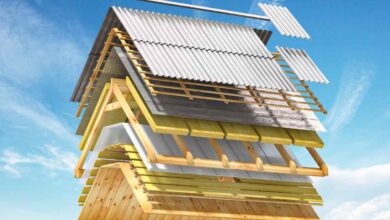
When it comes to enhancing your home’s energy efficiency and curb appeal, wood insulated siding stands out as a powerful solution. It blends natural beauty with modern insulation technology, offering homeowners a smart, sustainable choice for exterior cladding.


What Is Wood Insulated Siding?

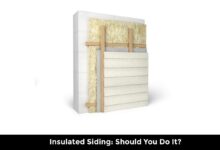
Wood insulated siding is a modern exterior cladding system that combines the timeless aesthetic of real wood with advanced thermal insulation. Unlike traditional wood siding, which requires frequent maintenance and offers minimal energy protection, wood insulated siding integrates a rigid foam or mineral wool insulation layer directly bonded to the back of wood panels. This fusion creates a high-performance building envelope that improves indoor comfort and reduces heating and cooling costs.
How It Differs from Traditional Wood Siding
Traditional wood siding, while visually appealing, lacks built-in insulation and is prone to warping, rotting, and insect damage without rigorous upkeep. In contrast, wood insulated siding is engineered for durability and energy efficiency. The insulation layer—typically made from expanded polystyrene (EPS), extruded polystyrene (XPS), or mineral wool—acts as a thermal barrier, minimizing heat transfer through walls.
- Traditional siding requires separate insulation installation
- Insulated versions come pre-fabricated with integrated insulation
- Reduced air leakage due to tighter panel joints and sealing methods
This integration streamlines the construction process and enhances overall wall performance. According to the U.S. Department of Energy, proper wall insulation can reduce energy bills by up to 20%, making wood insulated siding a financially sound investment.
Common Materials Used in Wood Insulated Siding
The wood component is typically made from sustainably harvested cedar, redwood, or engineered wood composites. These materials are chosen for their natural resistance to decay and insects. The insulation layer varies based on climate and performance needs:
- Expanded Polystyrene (EPS): Lightweight and cost-effective, with an R-value of about 4 per inch
- Extruded Polystyrene (XPS): More moisture-resistant and slightly higher R-value (around 5 per inch)
- Mineral Wool: Fire-resistant, excellent soundproofing, and sustainable; R-value around 4.3 per inch
Some manufacturers, like Natural Siding Inc., offer hybrid systems that combine real wood with foil-faced polyiso insulation, further boosting thermal performance and moisture resistance.
“Wood insulated siding bridges the gap between aesthetics and performance, offering homeowners the warmth of wood without sacrificing energy efficiency.” — Green Building Advisor
Top 7 Benefits of Wood Insulated Siding
Choosing wood insulated siding isn’t just about looks—it’s a strategic upgrade for your home’s performance. From slashing energy bills to increasing property value, the advantages are both immediate and long-term. Let’s explore the seven most compelling benefits that make this siding option a standout choice.
1. Superior Energy Efficiency
One of the primary reasons homeowners choose wood insulated siding is its ability to significantly reduce energy consumption. The integrated insulation layer minimizes thermal bridging—the phenomenon where heat escapes through structural elements like studs. By creating a continuous insulation barrier, wood insulated siding maintains a stable indoor temperature year-round.
- Reduces HVAC workload by up to 30%
- Lowers carbon footprint by decreasing reliance on fossil fuels
- Improves compliance with energy codes like IECC (International Energy Conservation Code)
A study by the National Renewable Energy Laboratory found that continuous exterior insulation can improve wall R-values by 50% compared to standard cavity-insulated walls. For cold climates, this translates to noticeable savings on winter heating bills.
2. Enhanced Comfort and Indoor Air Quality
Beyond energy savings, wood insulated siding contributes to a more comfortable living environment. The insulation reduces temperature fluctuations on interior walls, eliminating cold spots and drafts. This consistency enhances occupant comfort, especially in rooms with large exterior walls.
Additionally, many wood insulated siding systems include a weather-resistive barrier (WRB) that prevents air infiltration while allowing moisture vapor to escape. This breathability reduces the risk of mold and mildew, promoting healthier indoor air quality.
- Minimizes condensation within wall cavities
- Reduces noise transmission from outside (especially with mineral wool)
- Creates a more stable, draft-free indoor climate
For allergy sufferers or those sensitive to temperature changes, this improvement in air quality and thermal stability can be life-changing.
3. Long-Term Cost Savings
While the upfront cost of wood insulated siding is higher than traditional options, the long-term savings are substantial. Homeowners typically recoup their investment through lower utility bills, reduced maintenance, and increased home value.
- Energy savings: $200–$600 annually depending on climate and home size
- Maintenance savings: Less frequent painting, sealing, and repairs
- Increased resale value: Homes with energy-efficient features sell faster and at higher prices
According to the ENERGY STAR program, energy-efficient homes can command a 3–5% premium in the real estate market. Over a 10-year period, the combined savings often exceed the initial installation cost.
4. Environmental Sustainability
Wood insulated siding is a green building choice for several reasons. First, wood is a renewable resource, especially when sourced from responsibly managed forests certified by organizations like the Forest Stewardship Council (FSC). Second, the insulation materials are increasingly made from recycled content and are themselves recyclable.
- Lower embodied energy compared to vinyl or fiber cement
- Carbon sequestration: Wood stores carbon dioxide absorbed during tree growth
- Reduced operational emissions due to improved energy efficiency
When paired with low-VOC finishes and sustainable installation practices, wood insulated siding becomes a cornerstone of eco-friendly home design.
5. Aesthetic Appeal and Design Flexibility
Unlike synthetic sidings that mimic wood, wood insulated siding uses real wood, offering authentic grain patterns, natural color variations, and a warm, organic feel. It’s available in a variety of profiles—lap, shingle, board and batten, and vertical siding—allowing for custom architectural expression.
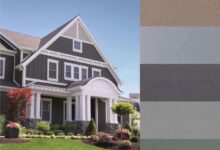
- Can be stained or painted to match any color scheme
- Complements both traditional and modern home styles
- Age gracefully with a natural patina if left untreated
Designers appreciate the material’s versatility. Whether you’re building a rustic cabin or a contemporary farmhouse, wood insulated siding enhances curb appeal while delivering performance.
6. Improved Durability and Weather Resistance
Modern wood insulated siding systems are designed to withstand harsh weather conditions. The insulation layer acts as a buffer against temperature swings, reducing expansion and contraction that can lead to cracking or warping in traditional wood.
Many products feature factory-applied primers and sealants that protect against moisture, UV rays, and fungal growth. Some even include insect-resistant treatments for added protection in vulnerable climates.
- Resists wind-driven rain with integrated drainage planes
- Withstands freeze-thaw cycles better than non-insulated wood
- Less prone to warping due to stable backing material
Properly installed, high-quality wood insulated siding can last 30–50 years with minimal maintenance, outperforming many conventional siding options.
7. Increased Property Value and Marketability
Homebuyers today prioritize energy efficiency and sustainability. A home with wood insulated siding signals thoughtful design and long-term value. Real estate agents report that energy-efficient homes attract more showings and sell faster than comparable properties without such upgrades.
- Energy-efficient features are highlighted in home listings and appraisals
- Lower utility costs are a strong selling point
- Unique aesthetic differentiates the property in competitive markets
In a 2023 National Association of Realtors survey, 68% of buyers said they were willing to pay more for a home with energy-saving features. Wood insulated siding directly addresses this demand.
Types of Wood Insulated Siding Systems
Not all wood insulated siding is created equal. Different manufacturers offer varying configurations, materials, and performance levels. Understanding the main types will help you choose the best system for your climate, budget, and design goals.
Pre-Finished Insulated Wood Panels
These are factory-assembled panels where a wood veneer or solid wood layer is bonded to a rigid insulation core. They come pre-primed or pre-stained, reducing on-site labor and ensuring consistent finish quality.
- Quick installation: Panels are large and lightweight
- Consistent appearance: No variation in staining or sealing
- Available with integrated trim and corner pieces
Brands like Cembrit and Natural Siding offer pre-finished systems with R-values ranging from 4 to 7.5, depending on insulation thickness.
Insulation-Backed Wood Cladding
This system involves attaching insulation boards (like XPS or mineral wool) directly to the sheathing, followed by wood siding installed over furring strips. This creates a ventilated rainscreen gap, improving moisture management and thermal performance.
- Greater design flexibility: Use any wood siding profile
- Superior moisture control: Air gap allows drying
- Higher R-values possible with thicker insulation layers
This method is popular in high-performance and passive house designs. It requires more labor but offers excellent durability and energy savings.
Hybrid Composite Systems
Some manufacturers blend wood fibers with polymers and insulation to create a composite panel that mimics real wood but with enhanced durability. These systems often include a moisture-resistant core and built-in insulation.
- Resistant to rot, insects, and fire
- Lower maintenance than real wood
- May not qualify for ‘real wood’ aesthetic in historic districts
While not pure wood, these hybrids offer a balance of performance and appearance, ideal for high-moisture environments.
Installation Process and Best Practices
Proper installation is critical to the performance of wood insulated siding. Even the highest-quality materials can fail if not installed correctly. Here’s a step-by-step overview of the process and key best practices to ensure longevity and efficiency.
Step-by-Step Installation Guide
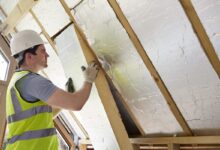
1. **Prepare the Wall Substrate**: Ensure sheathing (usually OSB or plywood) is clean, dry, and structurally sound. Repair any damage.
2. **Install Weather-Resistive Barrier (WRB)**: Apply a breathable housewrap or fluid-applied membrane to prevent water intrusion while allowing vapor diffusion.
3. **Attach Insulation Boards (if using rainscreen system)**: Secure rigid insulation to the sheathing with adhesive and/or mechanical fasteners. Seal all joints with tape or caulk.
4. **Install Furring Strips**: Vertical strips (usually 1×3 wood or metal) create a drainage gap between insulation and siding. Space them evenly for consistent support.
5. **Hang the Wood Siding**: Start from the bottom and work upward, overlapping panels as per manufacturer instructions. Use corrosion-resistant fasteners.
6. **Seal Joints and Trim**: Apply compatible sealant at corners, windows, and doors. Install trim to protect edges and enhance appearance.
- Always follow manufacturer guidelines for fastener type and spacing
- Use back-primed wood siding to prevent moisture absorption
- Ensure proper flashing at roof-to-wall junctions
For pre-finished insulated panels, steps 3 and 4 may be simplified since insulation is already attached.
Common Installation Mistakes to Avoid
Even experienced contractors can make errors that compromise performance. Avoid these common pitfalls:
- Skipping the WRB: Leads to moisture intrusion and rot
- Improper fastening: Over-tightening can crack panels; under-tightening causes loosening
- Ignoring expansion gaps: Wood expands with moisture; gaps prevent buckling
- Poor flashing: Results in water leaks around windows and doors
A 2022 report by the Building Science Corporation found that 70% of siding failures were due to installation errors, not material defects. Hiring certified installers is crucial.
“The difference between a 10-year and a 40-year siding life often comes down to installation quality, not the product itself.” — Building Science Expert Dr. Joseph Lstiburek
Maintenance and Longevity of Wood Insulated Siding
One of the biggest advantages of wood insulated siding is its low maintenance compared to traditional wood. However, it’s not maintenance-free. Regular care ensures the wood remains beautiful and the insulation performs optimally.
Recommended Maintenance Schedule
• Annual Inspection: Check for cracks, loose fasteners, or signs of moisture damage.
• Every 2–3 Years: Clean with a mild detergent and soft brush to remove dirt and mildew.
• Every 5–7 Years: Reapply stain or paint, especially on sun-exposed sides.
• As Needed: Repair damaged panels promptly to prevent water intrusion.
- Avoid pressure washing, which can damage wood fibers and force water behind panels
- Use breathable finishes that allow moisture to escape
- Trim nearby vegetation to prevent moisture buildup
With proper care, wood insulated siding can last 40+ years, far exceeding the lifespan of vinyl or aluminum siding.
Repair and Replacement Tips
If a panel is damaged, it can often be replaced individually without affecting the entire wall. Here’s how:
- Carefully remove the damaged panel by cutting fasteners or sliding it out
- Inspect the insulation and WRB behind it
- Install a new pre-finished panel and seal all edges
For minor scratches or dents, touch-up stain or paint can restore appearance. Always keep leftover materials for future repairs.
Cost Analysis: Is Wood Insulated Siding Worth It?
The cost of wood insulated siding varies widely based on material, insulation type, and labor. Understanding the investment helps determine if it’s the right choice for your budget and goals.
Upfront Costs Compared to Other Siding Types
• Wood Insulated Siding: $8–$15 per square foot installed
• Traditional Wood Siding: $6–$10 per square foot
• Fiber Cement: $7–$12 per square foot
• Vinyl Siding: $3–$7 per square foot
While wood insulated siding is at the higher end, its long-term savings offset the initial cost. A 2,000 sq ft home might spend $16,000–$30,000, but save $400–$800 annually on energy bills.
Return on Investment (ROI) and Payback Period
Most homeowners see a payback period of 8–12 years, depending on climate and energy prices. In colder regions, the payback is faster due to higher heating costs.
- Energy savings: 20–30% reduction in HVAC usage
- Maintenance savings: $200–$400 less per decade vs. traditional wood
- Resale value increase: 3–5% premium
Financing options like energy-efficient mortgages (EEMs) or PACE loans can help spread the cost, making it more accessible.
Environmental Impact and Sustainability
As climate concerns grow, the environmental footprint of building materials matters more than ever. Wood insulated siding scores well in sustainability metrics when responsibly sourced and installed.
Carbon Footprint and Embodied Energy
Wood has one of the lowest embodied energy levels among building materials. It requires less energy to harvest and process than steel, concrete, or synthetic sidings. Moreover, trees absorb CO2 during growth, making wood a carbon-storing material.
- 1 cubic meter of wood stores approximately 1 ton of CO2
- Insulation materials like EPS and mineral wool have moderate embodied energy but deliver long-term energy savings
- Lifecycle assessments show wood insulated siding has a lower total carbon impact over 50 years
The World Green Building Council advocates for bio-based materials like wood in sustainable construction.
Sourcing and Certifications
To ensure sustainability, look for:
- FSC or PEFC certification for wood sourcing
- Insulation with recycled content (e.g., mineral wool from slag)
- Low-VOC finishes and adhesives
Reputable manufacturers provide transparency in their supply chains, allowing eco-conscious consumers to make informed choices.
Is wood insulated siding more expensive than regular siding?
Yes, wood insulated siding typically costs more upfront—between $8 and $15 per square foot installed—compared to $3–$10 for traditional options. However, the long-term savings on energy and maintenance often make it more cost-effective over time.
Can I install wood insulated siding myself?
While DIY installation is possible for experienced homeowners, it’s highly recommended to hire professionals. Proper flashing, sealing, and insulation integration are critical to performance and longevity. Mistakes can lead to moisture damage and reduced efficiency.
How long does wood insulated siding last?
With proper installation and maintenance, wood insulated siding can last 30 to 50 years. The insulation layer remains effective for the life of the home, while the wood exterior can be refinished periodically to extend its lifespan.
Does wood insulated siding require special maintenance?
It requires less maintenance than traditional wood siding but still needs periodic cleaning and refinishing every 5–7 years. Avoid pressure washing and use breathable finishes to maintain performance.
Is wood insulated siding suitable for all climates?
Yes, but the insulation type should be chosen based on climate. In cold regions, higher R-value insulation (like XPS or mineral wool) is ideal. In humid areas, ventilated rainscreen systems prevent moisture buildup. Proper detailing is key in all climates.
Wood insulated siding is more than just a beautiful exterior finish—it’s a smart, sustainable investment in your home’s performance and value. By combining the natural elegance of wood with advanced insulation technology, it delivers unmatched energy efficiency, comfort, and durability. Whether you’re building new or renovating, this high-performance cladding system offers long-term savings, environmental benefits, and timeless appeal. With proper installation and care, wood insulated siding can protect and beautify your home for decades to come.
Recommended for you 👇
Further Reading: