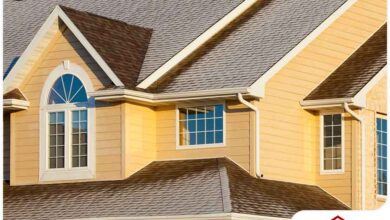
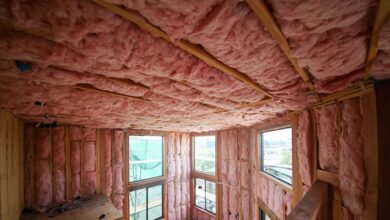
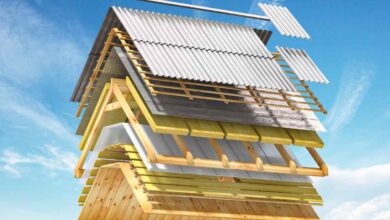
When it comes to protecting your home from the elements while boosting energy efficiency, weather-resistant insulated siding stands out as a game-changer. This innovative exterior solution combines durability, insulation, and aesthetic appeal—making it a top choice for modern homeowners who want both performance and style.


What Is Weather-Resistant Insulated Siding?

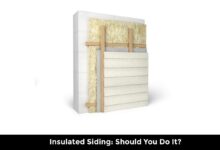
Weather-resistant insulated siding is a high-performance exterior cladding system designed to shield homes from moisture, wind, temperature extremes, and physical damage. Unlike traditional siding, it integrates a layer of rigid foam insulation directly bonded to the siding panel—typically made from vinyl, fiber cement, or engineered wood. This fusion creates a thermal barrier that significantly improves a home’s energy efficiency while maintaining resilience against harsh weather conditions.
How It Differs from Traditional Siding
Traditional siding materials like wood, aluminum, or basic vinyl offer protection but lack integrated insulation. They often require separate installation of house wraps and insulation, which can lead to gaps and thermal bridging. In contrast, weather-resistant insulated siding comes pre-insulated, reducing labor costs and enhancing overall performance.
- Integrated foam backing eliminates the need for additional insulation layers
- Superior air and moisture barrier properties
- Reduced risk of thermal bridging due to continuous insulation
According to the U.S. Department of Energy, adding insulated siding can improve wall R-values by up to 5, contributing significantly to energy savings (source).
Common Materials Used
The most widely used materials in weather-resistant insulated siding include:
- Vinyl Insulated Siding: Affordable, low-maintenance, and available in a wide range of colors and textures.
- Fiber Cement Insulated Panels: Extremely durable, fire-resistant, and capable of mimicking wood or stucco finishes.
- Synthetic Wood Composites: Combine the look of real wood with enhanced moisture resistance and insulation.
Each material offers unique advantages, but all share the core benefit of combining structural protection with thermal performance.
“Insulated siding isn’t just about looks—it’s about creating a tighter, more efficient building envelope.” — Energy Vanguard, Building Science Expert
Top 7 Benefits of Weather-Resistant Insulated Siding
Choosing weather-resistant insulated siding isn’t just a cosmetic upgrade—it’s a strategic investment in your home’s long-term performance. From energy savings to increased property value, the advantages are both immediate and lasting.
1. Enhanced Energy Efficiency
One of the standout features of weather-resistant insulated siding is its ability to reduce heat transfer through exterior walls. The foam backing acts as a continuous insulation layer, minimizing air leakage and maintaining indoor temperatures.
- Reduces HVAC workload by up to 20%, according to the National Association of Home Builders (NAHB)
- Lowers heating and cooling bills over time
- Improves overall home comfort by reducing cold spots and drafts
Studies show that homes with insulated siding can achieve up to 20% better energy performance compared to those with standard siding (source).
2. Superior Moisture and Weather Protection
Designed to withstand rain, snow, wind, and UV exposure, weather-resistant insulated siding creates a robust first line of defense. Many systems include drainage channels and water-resistive barriers that direct moisture away from the wall sheathing.
- Prevents water intrusion that can lead to mold, rot, and structural damage
- Resists warping, cracking, and swelling caused by humidity fluctuations
- Some fiber cement variants are rated for hurricane-force winds
This level of protection is especially crucial in coastal regions or areas with frequent storms.
3. Noise Reduction
The added mass and insulation layer in weather-resistant insulated siding also contribute to sound dampening. This is particularly beneficial for homes near busy roads, airports, or urban environments.
- Reduces exterior noise penetration by up to 30%
- Improves indoor acoustic comfort
- Enhances privacy without requiring additional soundproofing
While not a full soundproofing solution, it provides noticeable improvement over standard vinyl or wood siding.
How Weather-Resistant Insulated Siding Improves Home Value
Homeowners often overlook the long-term financial benefits of upgrading to weather-resistant insulated siding. Beyond comfort and efficiency, this type of siding can significantly boost a property’s market appeal and resale value.
Increased Curb Appeal
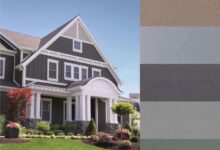
Modern insulated siding comes in a wide array of styles, colors, and textures—from classic lap siding to shake and shingle designs. This versatility allows homeowners to enhance their home’s aesthetic without sacrificing performance.
- Available in wood-grain finishes, stone textures, and custom color palettes
- Can mimic high-end materials like cedar or stucco at a fraction of the cost
- Maintains appearance longer due to UV-resistant coatings
A well-maintained, attractive exterior is one of the top factors influencing buyer perception.
Lower Utility Costs = Higher Buyer Interest
Prospective buyers are increasingly prioritizing energy-efficient homes. A house with weather-resistant insulated siding can advertise lower utility bills, making it more competitive in the real estate market.
- Energy-efficient homes sell faster and at higher prices, per the U.S. Environmental Protection Agency
- Insulated siding contributes to ENERGY STAR certification eligibility
- Can be highlighted in home listings as a premium upgrade
In fact, the National Association of Realtors reports that energy-efficient features can increase a home’s value by up to 4%.
“Buyers are willing to pay more for homes that promise lower energy bills and less maintenance.” — NAR 2023 Home Buyer Trends Report
Installation Process and Best Practices
Proper installation is critical to maximizing the performance of weather-resistant insulated siding. Even the highest-quality materials can underperform if not installed correctly.
Pre-Installation Preparation
Before any panels are attached, the wall surface must be properly prepared to ensure a seamless, weather-tight finish.
- Inspect and repair any damaged sheathing or framing
- Install a weather-resistive barrier (WRB) like house wrap or fluid-applied membrane
- Ensure all windows, doors, and penetrations are properly flashed
Skipping these steps can compromise the entire system, leading to moisture intrusion and reduced insulation effectiveness.
Step-by-Step Installation Guide
While professional installation is recommended, understanding the process helps homeowners make informed decisions.
- Start with the bottom edge: Install a starter strip to provide a level base for the first row.
- Align and nail panels: Use corrosion-resistant nails at designated nailing hem, leaving room for expansion.
- Stagger joints: Offset vertical seams between rows to prevent water tracking.
- Install around windows and doors: Use J-channels and custom trim for a clean, sealed finish.
- Finish with corner posts and trim: Ensure all edges are protected and aesthetically finished.
For detailed guidance, refer to manufacturer specifications—such as those from Masonite or Alside, leading producers of insulated siding.
Weather-Resistant Insulated Siding vs. Other Cladding Options
With so many exterior cladding options available, how does weather-resistant insulated siding stack up against alternatives? Let’s compare it to common competitors.
Vinyl Siding (Non-Insulated)
While standard vinyl siding is affordable and easy to install, it lacks the thermal and moisture protection of insulated versions.
- No built-in insulation, leading to higher energy costs
- More prone to dents, warping, and wind damage
- Shorter lifespan in extreme climates
Insulated vinyl siding addresses these weaknesses while maintaining low maintenance and cost-effectiveness.
Brick and Stone Veneer
Brick and stone offer excellent durability and aesthetic appeal but come with significant drawbacks.
- Higher installation cost and labor requirements
- No inherent insulation unless a separate layer is added
- Heavier load requiring structural reinforcement
Weather-resistant insulated siding achieves a similar visual impact at a lower cost and weight, with built-in energy benefits.
Fiber Cement Board (Non-Insulated)
Non-insulated fiber cement is durable and fire-resistant but requires painting and lacks thermal performance.
- Needs periodic maintenance like repainting every 10–15 years
- No insulation unless added separately
- Higher embodied energy in manufacturing
Insulated fiber cement panels combine the durability of fiber cement with the energy savings of continuous insulation—offering the best of both worlds.
Maintenance and Longevity of Weather-Resistant Insulated Siding
One of the biggest selling points of weather-resistant insulated siding is its low maintenance and long service life. However, proper care is still essential to ensure optimal performance over decades.
Regular Cleaning and Inspection
Keeping your siding clean not only preserves its appearance but also prevents mold, algae, and dirt buildup that can degrade materials over time.
- Wash annually with a mild detergent and garden hose or pressure washer (on low setting)
- Inspect for cracks, loose panels, or insect infestations
- Clean gutters and downspouts to prevent water splash-back
Avoid using harsh chemicals or high-pressure settings that can damage the surface or force water behind the panels.
Repair and Replacement Tips
Unlike traditional siding, insulated panels can be more complex to repair due to the integrated foam layer.
- Small dents or cracks in vinyl insulated siding can often be repaired with heat or patch kits
- Larger damage may require full panel replacement to maintain insulation continuity
- Always match the color and profile to avoid visual mismatch
Many manufacturers offer lifetime warranties on materials, covering issues like fading, cracking, and hail damage.
“The longevity of insulated siding depends on installation quality and climate—but most last 30–50 years with minimal upkeep.” — Building Performance Institute
Environmental Impact and Sustainability
As eco-conscious building practices gain traction, the sustainability of weather-resistant insulated siding is increasingly scrutinized. The good news? Modern insulated siding can be part of a green building strategy.
Energy Savings and Carbon Footprint Reduction
By improving a home’s thermal envelope, insulated siding reduces reliance on fossil-fuel-based heating and cooling systems.
- Lowers household carbon emissions over time
- Contributes to LEED and ENERGY STAR certification points
- Reduces peak energy demand on the grid
According to the U.S. Energy Information Administration, residential buildings account for nearly 20% of national energy consumption—making efficiency upgrades like insulated siding a critical climate solution.
Recyclability and Material Sourcing
The environmental profile varies by material:
- Vinyl siding: Historically criticized for PVC content, but recycling programs like Vinyl Siding Institute’s Recycle to Renew are expanding.
- Fiber cement: Made from sand, cellulose, and cement—materials with low toxicity and high durability.
- Composite siding: Often contains recycled wood and plastic, reducing landfill waste.
Look for products with third-party certifications like EPD (Environmental Product Declaration) or HPD (Health Product Declaration) for transparency.
Cost Analysis: Is Weather-Resistant Insulated Siding Worth It?
While the upfront cost of weather-resistant insulated siding is higher than traditional options, the long-term return on investment (ROI) makes it a smart financial decision for many homeowners.
Upfront Costs by Material
Pricing varies based on material, brand, and regional labor rates.
- Vinyl insulated siding: $7–$12 per square foot installed
- Fiber cement insulated panels: $10–$15 per square foot installed
- Synthetic wood composites: $12–$18 per square foot installed
For an average 1,500 sq ft home, total costs range from $10,500 to $27,000.
Long-Term Savings and ROI
The true value lies in ongoing savings and avoided expenses.
- Energy savings: $200–$600 annually on heating and cooling
- Maintenance savings: No painting, sealing, or frequent repairs
- Increased home value: Up to 70–80% ROI upon resale, per Remodeling Magazine’s Cost vs. Value Report
When factoring in utility rebates and tax incentives (such as the IRS Form 5695 for energy-efficient home improvements), the payback period can be as short as 7–10 years.
What is weather-resistant insulated siding made of?
Weather-resistant insulated siding typically consists of an outer layer made from vinyl, fiber cement, or composite material, bonded to a rigid foam insulation layer (usually polystyrene or polyiso). This combination provides both structural protection and thermal performance.
Does insulated siding really save energy?
Yes. According to the U.S. Department of Energy, insulated siding can improve wall R-values by up to 5, reducing heat loss in winter and heat gain in summer. This leads to measurable reductions in HVAC energy consumption—typically 10–20%.
Can I install insulated siding myself?
While DIY installation is possible for experienced homeowners, professional installation is strongly recommended. Proper flashing, nailing, and sealing are critical to prevent moisture issues and ensure long-term performance.
How long does insulated siding last?
Most high-quality weather-resistant insulated siding products last between 30 and 50 years, depending on climate, maintenance, and material type. Many manufacturers offer lifetime warranties on materials.
Is insulated siding worth the extra cost?
For most homeowners, yes. The combination of energy savings, reduced maintenance, increased comfort, and higher resale value typically outweighs the initial investment within 10–15 years.
Weather-resistant insulated siding is more than just a protective layer—it’s a smart, sustainable, and cost-effective upgrade that enhances comfort, efficiency, and value. Whether you’re building new or renovating, this advanced cladding solution offers a compelling blend of performance and aesthetics. With proper installation and minimal maintenance, it can serve your home reliably for decades while lowering energy bills and boosting curb appeal. As building standards evolve and climate resilience becomes a priority, weather-resistant insulated siding is poised to remain a top choice for forward-thinking homeowners.
Further Reading: