Thinking about upgrading your home’s exterior? Vinyl insulated siding might be the game-changer you’ve been looking for. It combines durability, energy efficiency, and curb appeal in one smart package—perfect for modern homeowners who want both style and savings.


What Is Vinyl Insulated Siding?

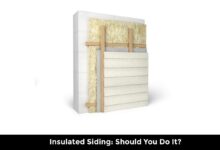
Vinyl insulated siding is more than just a pretty face on your home. It’s an advanced exterior cladding system that fuses traditional vinyl siding with a rigid layer of foam insulation, typically made from expanded polystyrene (EPS). This fusion creates a high-performance barrier against weather, noise, and energy loss. Unlike standard vinyl siding, which only offers aesthetic and basic protection, insulated vinyl siding enhances thermal performance and structural resilience.
How It Differs from Traditional Vinyl Siding
The key difference lies in the built-in insulation. Standard vinyl siding is installed over a separate weather-resistant barrier and may require additional insulation within wall cavities. In contrast, vinyl insulated siding comes with a continuous layer of foam backing that adheres directly to the back of each panel. This design eliminates thermal bridging and improves the overall R-value of your home’s exterior walls.
- Traditional vinyl: No integrated insulation
- Vinyl insulated siding: Foam backing adds R-2 to R-5 value
- Insulated version reduces air infiltration by up to 40%
“Insulated siding can improve a home’s energy efficiency by up to 20%, according to the U.S. Department of Energy.”
Components and Construction
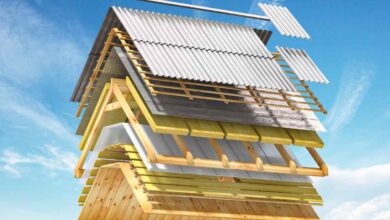
Vinyl insulated siding is typically composed of three layers: the outer vinyl shell, a middle foam insulation core, and an adhesive bond that ensures long-term integrity. The vinyl layer is UV-resistant and designed to withstand impact, while the foam core provides consistent thermal resistance. Some premium brands use a dual-compression foam technology to increase density and performance.
Manufacturers like Masonite and Alside have pioneered innovations in this space, offering products with enhanced locking systems and deeper textures for a more authentic architectural look.
Vinyl Insulated Siding: Energy Efficiency Explained
One of the biggest selling points of vinyl insulated siding is its ability to reduce energy consumption. By improving the thermal envelope of your home, it helps maintain indoor temperatures more effectively—keeping homes warmer in winter and cooler in summer.
Understanding R-Value in Insulated Siding
The R-value measures a material’s resistance to heat flow. The higher the R-value, the better the insulation. While standard vinyl siding has an R-value close to zero, vinyl insulated siding typically ranges from R-2 to R-5, depending on the thickness and density of the foam layer. When combined with proper wall insulation, this can significantly boost the overall energy performance of your home.
- R-2.5: Common for basic insulated panels
- R-4.0+: Found in premium, high-performance lines
- Can complement cavity insulation (e.g., fiberglass or spray foam)
Impact on Heating and Cooling Costs
Studies show that homes with vinyl insulated siding can see a 10–20% reduction in annual energy bills. The continuous insulation layer minimizes drafts and cold spots, allowing HVAC systems to operate more efficiently. In colder climates, this means less heat escapes through walls. In warmer regions, it reduces solar heat gain.
A report by the National Association of Home Builders (NAHB) found that insulated siding contributes to a measurable decrease in peak energy demand, which is especially valuable during extreme weather events.
“Homes with insulated siding reported up to 17% lower heating costs in northern U.S. states.”
Cost Analysis: Is Vinyl Insulated Siding Worth the Investment?
While vinyl insulated siding has a higher upfront cost than traditional siding, its long-term savings and performance benefits often justify the expense. Understanding the full financial picture—including installation, maintenance, and energy savings—is crucial for making an informed decision.
Upfront Costs and Installation Expenses
On average, vinyl insulated siding costs between $7 and $12 per square foot installed, compared to $3–$7 for standard vinyl. The price varies based on brand, style, regional labor rates, and home size. For a typical 1,500-square-foot home, total installation can range from $10,500 to $18,000.
- Material cost: $4–$8/sq ft
- Labor: $3–$5/sq ft
- Removal of old siding adds $1–$2/sq ft
Despite the higher initial outlay, many homeowners recoup a significant portion of the cost through energy savings and increased property value.
Long-Term Savings and ROI
According to Remodeling Magazine’s Cost vs. Value Report, insulated vinyl siding offers one of the highest returns on investment among exterior upgrades, with homeowners recovering over 80% of the cost at resale. Additionally, reduced energy bills can save $200–$500 annually, depending on climate and home size.
When factoring in minimal maintenance—no painting, sealing, or staining required—the lifetime cost of ownership is significantly lower than wood, fiber cement, or stucco alternatives.
“Insulated vinyl siding delivers a 20-year payback period when energy savings and home value gains are combined.”
Installation Process: What to Expect
Proper installation is critical to maximizing the performance of vinyl insulated siding. Unlike standard siding, the insulated variety requires careful attention to detail to ensure airtightness, alignment, and weather resistance.
Pre-Installation Preparation
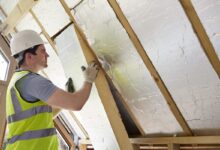
Before installation begins, contractors must inspect and prepare the home’s exterior. This includes removing old siding (if present), checking for rot or moisture damage in sheathing, and installing a weather-resistant barrier (WRB) like housewrap. A flat, clean surface ensures optimal adhesion and performance of the insulated panels.
- Inspect wall sheathing for damage
- Install WRB (e.g., Tyvek) to prevent moisture intrusion
- Ensure proper flashing around windows and doors
Some systems require furring strips to create a drainage plane behind the siding, especially in humid climates.
Step-by-Step Installation Guide
The actual installation follows a systematic process:
- Start with starter strips at the bottom edge
- Install corner posts and trim pieces
- Begin horizontal panel installation from the bottom up
- Interlock panels using the manufacturer’s locking system
- Stagger joints to prevent air leakage
- Seal penetrations with compatible caulking or tape
Because the panels are heavier and thicker than standard vinyl, extra care must be taken to maintain alignment and avoid over-compression, which can reduce insulation effectiveness.
“Improper installation can reduce the effective R-value by up to 50%, according to the Vinyl Siding Institute.”
Vinyl Insulated Siding: Durability and Maintenance
One of the most compelling reasons to choose vinyl insulated siding is its durability. Engineered to withstand harsh weather, UV exposure, and everyday wear, it offers a low-maintenance solution for homeowners seeking long-term reliability.
Resistance to Weather and Impact
Vinyl insulated siding is designed to handle extreme temperatures, from sub-zero winters to scorching summers. The foam backing adds structural rigidity, making the panels more resistant to wind uplift and impact from hail or debris. Many products are rated to withstand winds up to 110 mph when properly installed.
- Resists cracking and warping in temperature extremes
- Impact-resistant due to thicker profile and foam core
- Resists moisture absorption and rot
Unlike wood or fiber cement, it won’t crack, split, or absorb water, making it ideal for coastal or high-humidity areas.
Minimal Maintenance Requirements
Maintenance for vinyl insulated siding is remarkably simple. Unlike wood, it never needs painting or sealing. Most cleaning involves an occasional rinse with a garden hose or a gentle wash with mild soap and water. For tougher stains, a soft-bristle brush and non-abrasive cleaner are sufficient.
Because the surface is non-porous, mold and mildew are less likely to take hold. However, in shaded or damp areas, periodic inspection and cleaning may be needed to prevent organic growth.
“With proper care, vinyl insulated siding can last 40+ years without significant degradation.”
Environmental Impact and Sustainability
As eco-conscious building practices gain traction, the sustainability of building materials is under increasing scrutiny. Vinyl insulated siding has both advantages and challenges in this regard, but recent advancements are improving its environmental profile.
Energy Efficiency and Carbon Footprint
The primary environmental benefit of vinyl insulated siding is its contribution to energy conservation. By reducing the need for heating and cooling, it lowers household energy consumption and associated greenhouse gas emissions. Over the lifespan of a home, this can result in thousands of pounds of CO2 avoided.
- Reduces reliance on fossil fuels for HVAC
- Lowers peak energy demand on power grids
- Contributes to LEED and ENERGY STAR compliance
Some manufacturers are now offering products with recycled content and recyclable components, further enhancing sustainability.
Recyclability and End-of-Life Considerations
Historically, vinyl siding has faced criticism for its end-of-life disposal, as PVC is not widely accepted in municipal recycling programs. However, industry initiatives like the Vinyl Siding Institute’s Recycling Program are making progress in reclaiming post-consumer vinyl for use in new products.
While full recyclability remains a challenge, the long lifespan of vinyl insulated siding reduces the frequency of replacement and waste generation.
“Over 1 billion pounds of vinyl siding have been recycled since 2009 through industry-led programs.”
Vinyl Insulated Siding vs. Other Exterior Options
When choosing siding, homeowners often compare vinyl insulated siding to alternatives like fiber cement, wood, stucco, and metal. Each material has its strengths, but vinyl insulated siding stands out in several key areas.
Comparison with Fiber Cement Siding
Fiber cement (e.g., James Hardie) is durable and fire-resistant but requires painting every 8–10 years and is more labor-intensive to install. It’s also heavier, which may require structural reinforcement. While it offers good insulation when paired with exterior foam board, it lacks the integrated insulation of vinyl insulated siding.
- Vinyl insulated siding: Lower maintenance, built-in insulation
- Fiber cement: Higher durability, but prone to cracking and moisture issues if not maintained
- Cost: Fiber cement is typically 20–30% more expensive to install
Comparison with Wood and Metal Siding
Wood siding offers natural beauty but demands high maintenance—regular staining, sealing, and vulnerability to rot and pests. Metal siding (steel or aluminum) is strong and modern but can dent and conduct heat, reducing energy efficiency unless insulated separately.
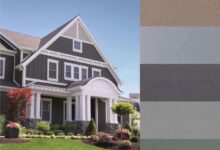
Vinyl insulated siding outperforms both in terms of energy efficiency, maintenance, and cost-effectiveness. It mimics the look of wood with modern textures and color retention technologies, offering aesthetic flexibility without the upkeep.
“Homeowners who switched from wood to vinyl insulated siding reported saving an average of 15 hours per year on maintenance.”
What is vinyl insulated siding made of?
Vinyl insulated siding consists of a vinyl exterior layer bonded to a rigid foam insulation core, usually made from expanded polystyrene (EPS). This combination provides both aesthetic appeal and enhanced thermal performance.
How much does vinyl insulated siding cost?
Installed costs typically range from $7 to $12 per square foot, depending on brand, style, and labor rates. While more expensive than standard vinyl, it offers long-term savings through energy efficiency and durability.
Does insulated vinyl siding really save energy?
Yes. By adding an R-2 to R-5 insulation layer, it reduces air leakage and improves thermal resistance. The U.S. Department of Energy estimates energy savings of 10–20% on heating and cooling bills.
How long does vinyl insulated siding last?
With proper installation and minimal maintenance, vinyl insulated siding can last 40 years or more. It resists fading, cracking, and moisture damage better than most other siding materials.
Can I install vinyl insulated siding myself?
While DIY installation is possible, it’s not recommended due to the precision required for sealing, alignment, and weatherproofing. Professional installation ensures optimal performance and warranty validity.
Vinyl insulated siding is a smart, high-performance solution for modern homes. It combines the affordability and versatility of vinyl with the energy-saving power of continuous insulation. From reducing utility bills to boosting curb appeal and home value, its benefits are both immediate and long-lasting. While the initial cost is higher than standard siding, the return on investment—through energy savings, durability, and low maintenance—makes it a compelling choice for homeowners across climates and regions. As building standards evolve toward greater energy efficiency, vinyl insulated siding is poised to remain a top contender in the exterior cladding market.
Recommended for you 👇
Further Reading: