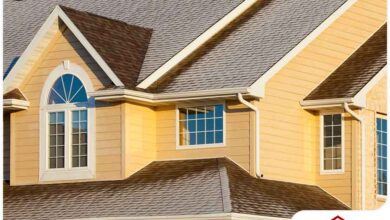
Thinking about upgrading your home’s exterior? Long-lasting insulated siding might be the game-changer you’ve been waiting for. It combines durability, energy efficiency, and curb appeal in one powerful package—perfect for modern homeowners who want both style and substance.
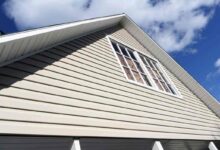


What Is Long-lasting Insulated Siding?

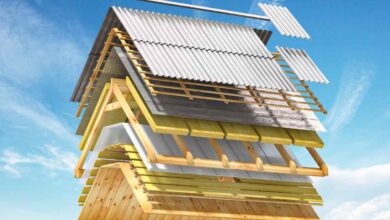
Long-lasting insulated siding is a high-performance exterior cladding that integrates a layer of rigid foam insulation with traditional vinyl or fiber cement siding. Unlike standard siding, this advanced material is engineered to resist weather, reduce energy loss, and maintain its appearance for decades. It’s not just a surface—it’s a smart investment in your home’s future.
The Science Behind Insulated Siding
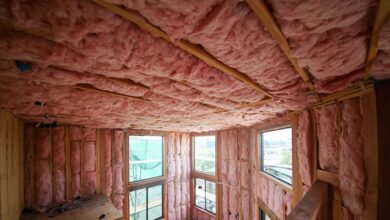
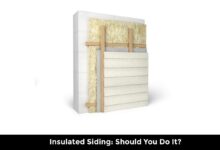
Insulated siding works by bonding a continuous layer of expanded polystyrene (EPS) foam to the back of the siding panel. This foam layer acts as a thermal break, minimizing heat transfer through the walls. According to the U.S. Department of Energy, proper wall insulation can reduce heating and cooling costs by up to 20%, and insulated siding contributes significantly to that savings.
- The foam insulation is typically 1 inch thick, with an R-value between R-2 and R-5.
- It reduces thermal bridging—the process where heat escapes through studs and framing.
- The siding panels interlock tightly, minimizing air infiltration.
“Insulated siding can improve a home’s energy efficiency by creating a more consistent thermal envelope,” says the National Association of Home Builders (NAHB).
Materials Used in Long-lasting Insulated Siding
The two most common types of long-lasting insulated siding are vinyl and fiber cement, each with distinct advantages.
- Vinyl Insulated Siding: Lightweight, affordable, and available in a wide range of colors and textures. It’s the most popular choice for homeowners due to its ease of installation and low maintenance.
- Fiber Cement Insulated Siding: Made from cement, sand, and cellulose fibers, this option offers superior durability and fire resistance. Brands like James Hardie have pioneered insulated fiber cement siding that resists rot, insects, and extreme weather.
- Composite Insulated Siding: A newer category combining recycled wood and plastic, offering enhanced insulation and eco-friendly benefits.
Each material is designed to last 30–50 years or more with minimal upkeep, making long-lasting insulated siding a top contender for long-term value.
Top 7 Benefits of Long-lasting Insulated Siding
Choosing long-lasting insulated siding isn’t just about looks—it’s about performance, savings, and peace of mind. Here’s why thousands of homeowners are making the switch.
1. Exceptional Durability and Weather Resistance
Long-lasting insulated siding is built to withstand the harshest conditions. Whether it’s blistering summer heat, freezing winter storms, or coastal salt spray, this siding holds up remarkably well.
- Vinyl insulated siding is impact-resistant and won’t crack or warp under normal conditions.
- Fiber cement varieties are rated to resist winds up to 150 mph and are non-combustible.
- Many products come with lifetime warranties against hail damage, fading, and cracking.
For example, Mastic by Ply Gem offers insulated siding with a lifetime limited warranty and Class 4 impact resistance—the highest rating for hail protection.
2. Significant Energy Efficiency Gains
One of the standout features of long-lasting insulated siding is its ability to improve your home’s energy performance. The integrated foam layer reduces heat flow, keeping indoor temperatures more stable year-round.
- Homeowners report energy bill reductions of 10–20% after installation.
- The continuous insulation layer complements existing wall insulation, boosting overall R-value.
- Less strain on HVAC systems means longer equipment life and fewer repairs.
A study by the National Renewable Energy Laboratory (NREL) found that insulated siding can reduce wall heat loss by up to 30% compared to standard siding.
3. Enhanced Curb Appeal and Design Flexibility
Long-lasting insulated siding isn’t just functional—it’s beautiful. Modern manufacturing techniques allow for realistic wood grain textures, deep color options, and architectural details like shingles and lap styles.
- Available in horizontal lap, vertical board-and-batten, and shake styles.
- Colors are fade-resistant thanks to advanced UV protection coatings.
- Can mimic the look of cedar, stucco, or stone without the maintenance.
Brands like Alside and CertainTeed offer designer collections with bold textures and rich hues, allowing homeowners to customize their home’s aesthetic with confidence.
4. Low Maintenance and Easy Cleaning
Unlike wood siding that needs regular painting and sealing, long-lasting insulated siding is virtually maintenance-free. A simple rinse with a garden hose is usually all it takes to keep it looking fresh.
- Resists mold, mildew, and algae thanks to protective coatings.
- Won’t rot, peel, or require repainting.
- Scratches and dents are rare and often repairable with heat tools for vinyl.
This makes it ideal for busy homeowners or those in hard-to-reach areas like second stories or gables.
5. Increased Home Value and ROI
Investing in long-lasting insulated siding pays off when it’s time to sell. According to the Remodeling Magazine’s 2023 Cost vs. Value Report, vinyl siding replacement recoups over 80% of its cost at resale, and insulated versions often exceed that due to energy efficiency perks.
- Boosts curb appeal, which is a top factor for buyers.
- Energy-efficient homes are increasingly in demand.
- Reduces perceived future maintenance costs for buyers.
Appraisers and real estate agents often note that updated, durable exteriors make homes more competitive in the market.
6. Sound Insulation and Noise Reduction
Beyond thermal benefits, long-lasting insulated siding also acts as a sound barrier. The foam layer absorbs external noise from traffic, neighbors, and weather, creating a quieter indoor environment.
- Reduces airborne noise by up to 30%, according to acoustic testing.
- Especially beneficial for homes near highways, airports, or busy urban areas.
- Improves comfort and privacy in living spaces closest to the exterior walls.
This acoustic performance is a hidden perk that many homeowners don’t consider until they experience the difference firsthand.
7. Eco-Friendly and Sustainable Option
As sustainability becomes a priority, long-lasting insulated siding stands out as an environmentally responsible choice.
- Reduces energy consumption, lowering carbon emissions from heating and cooling.
- Many products contain recycled materials—up to 30% in some vinyl lines.
- Long lifespan means fewer replacements and less waste in landfills.
Some manufacturers, like CertainTeed, offer sustainability certifications and take-back programs for old siding, further reducing environmental impact.
How Long-lasting Insulated Siding Compares to Traditional Options
To truly appreciate the value of long-lasting insulated siding, it’s helpful to compare it directly with conventional siding materials.
Vinyl vs. Insulated Vinyl Siding
Standard vinyl siding has been a popular choice for decades due to its affordability and ease of installation. However, it lacks the thermal performance of its insulated counterpart.
- Thermal Performance: Standard vinyl has no insulation; insulated vinyl adds R-2 to R-5 per wall section.
- Durability: Insulated panels are thicker and more rigid, reducing sagging and wind flutter.
- Energy Savings: Insulated versions can save hundreds per year on utility bills.
The price difference is typically 10–20% higher for insulated vinyl, but the long-term savings justify the investment.
Fiber Cement vs. Insulated Fiber Cement
Traditional fiber cement siding (like HardiePlank) is known for its durability and fire resistance. Adding insulation enhances its performance without compromising strength.
- Installation: Insulated fiber cement is slightly heavier but installs similarly.
- Energy Efficiency: The foam backing significantly improves thermal performance.
- Cost: Insulated versions cost about 15–25% more but offer better ROI over time.
James Hardie’s HardieZone line includes climate-specific formulations, and their insulated options are designed for extreme weather resilience.
Wood and Metal Siding Alternatives
While wood offers unmatched beauty and metal provides industrial strength, both have drawbacks that long-lasting insulated siding avoids.
- Wood Siding: Requires annual maintenance, is prone to rot and pests, and has a shorter lifespan (15–25 years).
- Metal Siding: Can be noisy during rain, prone to dents, and may rust without proper coating.
- Insulated Siding: Combines the best of both worlds—durability without high maintenance.
For most climates and budgets, long-lasting insulated siding offers a superior balance of performance and cost.
Installation Process: What to Expect
Proper installation is critical to maximizing the benefits of long-lasting insulated siding. While it can be installed by experienced DIYers, professional installation is recommended for best results.
Pre-Installation Assessment
Before any siding goes up, a thorough inspection of the existing exterior is essential.
- Check for water damage, rot, or mold behind current siding.
- Ensure sheathing is solid and properly sealed.
- Assess insulation levels in walls—adding cavity insulation can boost performance.
A professional contractor will also evaluate flashing, windows, and trim to ensure a weather-tight seal.
Step-by-Step Installation Guide
While exact steps vary by manufacturer, the general process includes:
- Remove old siding and repair any structural damage.
- Install weather-resistant barrier (WRB) like house wrap to prevent moisture intrusion.
- Apply furring strips or insulation board if additional thermal break is needed.
- Start at the bottom with starter strips and work upward.
- Interlock panels tightly, ensuring proper overlap and alignment.
- Install trim and accessories around windows, doors, and corners.
- Seal joints and penetrations with compatible caulking or tape.
Most installations take 3–7 days depending on home size and complexity.
Common Installation Mistakes to Avoid
Even high-quality siding can underperform if installed incorrectly.
- Improper nailing: Nails should be centered in slots and not driven too tight.
- Ignoring expansion gaps: Vinyl expands and contracts with temperature—gaps must be left at joints.
- Poor flashing: Incorrect flashing around windows can lead to leaks.
- Skipping the WRB: Skipping house wrap compromises moisture protection.
Always follow manufacturer guidelines and consider third-party certification programs like Vinyl Siding Institute’s Weatherization Installer Certification.
Maintenance Tips for Long-lasting Insulated Siding
The beauty of long-lasting insulated siding is that it requires minimal upkeep. However, a few simple practices can extend its life even further.
Regular Cleaning Routine
To keep your siding looking its best, clean it at least once a year.
- Use a soft brush or low-pressure washer (under 1,500 PSI).
- Mix mild detergent with water—avoid harsh chemicals or bleach.
- Rinse thoroughly from bottom to top to prevent streaking.
For stubborn mold or algae, a solution of 30% vinegar and 70% water can be effective and eco-friendly.
Inspecting for Damage
Annual inspections help catch issues early.
- Look for cracks, warping, or loose panels.
- Check around windows and doors for gaps or moisture signs.
- Ensure downspouts and gutters aren’t directing water onto siding.
If damage is found, most manufacturers offer individual panel replacement kits.
Handling Repairs and Replacements
Minor repairs are usually straightforward.
- For vinyl, a heat gun can re-form dented panels.
- Loose panels can be re-nailed following manufacturer specs.
- Severe damage may require full panel replacement—keep leftover siding for color matching.
Always consult a professional for large-scale repairs to maintain warranty coverage.
Cost Analysis: Is Long-lasting Insulated Siding Worth It?
Understanding the financial side of long-lasting insulated siding helps determine if it’s the right choice for your budget.
Upfront Costs by Material
Prices vary based on material, brand, and labor.
- Vinyl Insulated Siding: $7–$12 per square foot installed.
- Fiber Cement Insulated Siding: $10–$15 per square foot installed.
- Composite Insulated Siding: $12–$18 per square foot installed.
Average cost for a 1,500 sq ft home ranges from $10,500 to $27,000.
Long-Term Savings and Payback Period
While the initial cost is higher than standard siding, the long-term savings are substantial.
- Energy savings: $200–$500 annually depending on climate and home size.
- Maintenance savings: $500+ over 10 years compared to wood or stucco.
- Payback period: Typically 7–12 years when factoring in energy and maintenance savings.
After the payback period, every dollar saved is pure gain.
Financing and Incentives
Many homeowners leverage financing or incentives to offset costs.
- Federal tax credits: The Inflation Reduction Act offers tax credits for energy-efficient home improvements, including insulation upgrades.
- State and local rebates: Some utilities offer rebates for energy-efficient siding.
- Home improvement loans: Options like FHA 203(k) or PACE financing can cover exterior upgrades.
Always check eligibility and documentation requirements for incentives.
Top Brands Offering Long-lasting Insulated Siding
Choosing a reputable brand ensures quality, warranty support, and aesthetic options.
James Hardie: The Gold Standard in Fiber Cement
James Hardie is synonymous with durable, stylish siding. Their HardiePlank® with Insulation combines fiber cement’s toughness with a layer of rigid foam.
- R-value: Up to R-4.3.
- Warranty: 30-year non-prorated warranty on siding, 15 years on paint.
- Features: Fire-resistant, insect-proof, and available in ColorPlus® technology for long-lasting color.
HardieZone climate-specific formulations ensure performance in extreme heat, cold, or humidity.
CertainTeed: Innovation in Vinyl and Sustainability
CertainTeed’s Cedar Impressions® and Monogram® lines offer premium insulated vinyl siding with deep textures and high R-values.
- R-value: Up to R-5.0.
- Warranty: Lifetime limited warranty with fade and hail protection.
- Sustainability: Products contain recycled content and are part of the company’s sustainability pledge.
Their SynCend® insulated fiber cement line bridges the gap between durability and energy efficiency.
Alside: Affordable Quality with Design Flexibility
Alside, a subsidiary of Associated Materials, offers a wide range of insulated siding options under the Master Series and Remedy lines.
- R-value: Up to R-4.2.
- Warranty: Lifetime limited warranty with wind and impact resistance.
- Design: Offers shake, lap, and panel styles in multiple colors.
Alside is known for balancing performance and affordability, making it a favorite among contractors.
Environmental Impact and Sustainability of Long-lasting Insulated Siding
As climate concerns grow, the environmental footprint of building materials matters more than ever. Long-lasting insulated siding scores well in several key areas.
Energy Efficiency and Carbon Footprint
By reducing the need for heating and cooling, insulated siding directly lowers a home’s carbon emissions.
- A typical home can prevent 1–2 tons of CO2 emissions annually through improved insulation.
- Manufacturers are improving production efficiency, reducing energy use in factories.
- Long lifespan means fewer manufacturing cycles over time.
According to the U.S. Environmental Protection Agency, energy-efficient homes are a cornerstone of sustainable building.
Recyclability and End-of-Life Options
At the end of its life, insulated siding can often be recycled.
- Vinyl siding is recyclable through programs like the Vinyl Siding Recycling Coalition.
- Fiber cement can be crushed and reused in construction fill or new products.
- Some manufacturers offer take-back programs for old siding.
While not all communities have recycling infrastructure yet, the industry is moving toward circular solutions.
Eco-Friendly Manufacturing Practices
Leading brands are adopting greener practices.
- CertainTeed uses solar power in some facilities.
- James Hardie has reduced water and energy use in production by over 20% in the last decade.
- Alside participates in third-party sustainability certifications.
Choosing a brand with strong environmental policies amplifies the eco-benefits of your investment.
Is long-lasting insulated siding worth the investment?
Absolutely. While the upfront cost is higher than standard siding, the long-term savings on energy bills, maintenance, and home value make it a smart financial decision. Plus, the durability and comfort benefits are immediate and lasting.
How long does long-lasting insulated siding last?
Most high-quality insulated siding products last between 30 and 50 years, with many manufacturers offering lifetime warranties. Proper installation and minimal maintenance can extend its lifespan even further.
Can insulated siding be installed over existing siding?
In some cases, yes—but it depends on the condition of the current siding. If it’s flat, secure, and in good shape, insulated siding can be installed over it. However, removing old siding allows for inspection, repairs, and better insulation performance.
Does insulated siding require special maintenance?
No, it requires very little maintenance. Occasional cleaning with mild soap and water is usually sufficient. Avoid high-pressure washing, which can damage the surface or force water behind the panels.
Will insulated siding increase my home’s resale value?
Yes. Updated, energy-efficient exteriors are highly attractive to buyers. Studies show that insulated siding can recoup over 80% of its cost at resale, with added appeal from lower utility bills and modern aesthetics.
Long-lasting insulated siding is more than just a trendy upgrade—it’s a strategic investment in your home’s comfort, efficiency, and value. From slashing energy bills to boosting curb appeal and reducing environmental impact, its benefits are both immediate and enduring. Whether you’re building new or renovating, choosing a high-quality insulated siding product from a trusted brand ensures decades of performance with minimal hassle. With proper installation and care, this smart exterior solution delivers unmatched returns for homeowners who want durability, savings, and peace of mind.
Further Reading: