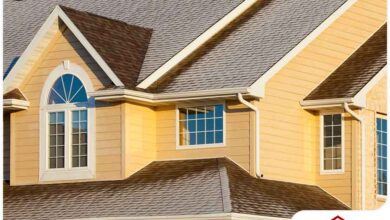
Dealing with damaged insulated siding? Don’t panic—armed with the right insulated siding repair tips, you can restore your home’s energy efficiency and curb appeal fast. This guide delivers expert-backed solutions that actually work.



Understanding Insulated Siding: What It Is and Why It Matters

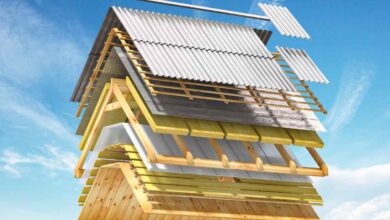
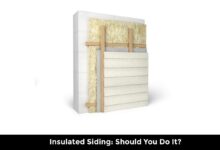
Insulated siding has revolutionized exterior home protection by combining traditional cladding with a layer of rigid foam insulation. Unlike standard vinyl or fiber cement siding, insulated siding is engineered to reduce thermal transfer, lower energy bills, and improve indoor comfort year-round. It’s typically made from vinyl with a foam backing—usually expanded polystyrene (EPS)—fused directly to the panel during manufacturing.
How Insulated Siding Improves Energy Efficiency
The integrated foam layer acts as a continuous thermal barrier, minimizing air leakage and reducing the load on your HVAC system. According to the U.S. Department of Energy, properly installed insulated siding can improve a home’s R-value by up to 20%, translating into real savings on heating and cooling costs.
- Reduces heat loss in winter and heat gain in summer
- Minimizes thermal bridging through studs
- Improves overall building envelope performance
“Insulated siding isn’t just about looks—it’s a performance upgrade that pays for itself over time.” — Energy Efficiency Research Institute
Common Materials Used in Insulated Siding
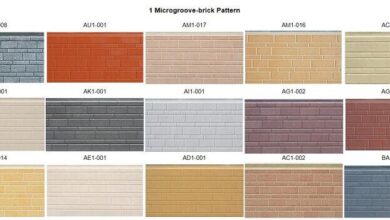
While vinyl with EPS backing dominates the market, other materials include fiber cement with added insulation and composite panels. Each offers different durability, cost, and maintenance profiles:
Insulated siding repair tips – Insulated siding repair tips menjadi aspek penting yang dibahas di sini.
- Vinyl insulated siding: Affordable, lightweight, easy to install, and available in many colors.
- Fiber cement insulated siding: More durable and fire-resistant but heavier and costlier.
- Composite insulated siding: Combines wood fibers and polymers for enhanced strength and aesthetics.
Insulated Siding Repair Tips: Identifying Common Types of Damage
Before diving into repairs, it’s crucial to accurately diagnose the type and extent of damage. Misidentifying the issue can lead to ineffective fixes or even worsen the problem. Here are the most frequent issues homeowners face with insulated siding.
Cracks and Holes in Vinyl Panels
Impact from lawn equipment, hail, or falling branches can cause cracks or punctures in vinyl siding. These openings compromise both the aesthetic and insulating properties. Small cracks may seem minor but can expand with temperature fluctuations.
- Inspect panels after storms or landscaping work
- Look for spider-webbing patterns around impact points
- Check for warping near the damaged area
Loose or Warped Panels Due to Heat or Poor Installation
Vinyl expands and contracts with temperature changes. If installed too tightly or exposed to excessive sun without proper ventilation, panels can warp, buckle, or detach. This is especially common on south- and west-facing walls.
- Wavy appearance indicates improper nailing or lack of expansion space
- Gaps at seams suggest panels have pulled away from fasteners
- Warped corners may allow moisture intrusion
Moisture Intrusion and Mold Growth Behind Siding
When water gets behind siding—due to damaged seals, clogged gutters, or poor flashing—it can lead to mold, rot, and insulation degradation. This is a silent threat because it’s often invisible from the outside.
Insulated siding repair tips – Insulated siding repair tips menjadi aspek penting yang dibahas di sini.
- Peeling paint or bubbling interior drywall may signal hidden moisture
- Foul odors near baseboards can indicate mold
- Use a moisture meter to check wall cavities if damage is suspected
Essential Tools and Materials for Insulated Siding Repair
Having the right tools on hand ensures a clean, professional repair. Rushing into a fix without proper equipment can lead to further damage or unsafe conditions.
Basic Repair Kit: What You’ll Need
A well-stocked repair kit makes most minor fixes manageable. Here’s a checklist of essentials:
- Siding removal tool (zip tool)
- Utility knife or tin snips
- Measuring tape
- Level
- Drill with screwdriver bits
- Replacement siding panel or cut-to-fit piece
- Compatible nails or screws (vinyl siding nails recommended)
- Sealant (100% silicone or siding-specific caulk)
Safety Gear and Precautions
Working at heights or with power tools requires proper safety measures:
- Wear gloves to protect against sharp edges
- Use safety goggles when cutting or prying panels
- Secure ladders on level ground
- Turn off power tools when not in use
- Work with a partner when accessing high areas
Insulated Siding Repair Tips: Step-by-Step Guide to Fixing Cracks and Holes
Small cracks and holes are among the most common issues and can often be repaired without replacing the entire panel. Follow these insulated siding repair tips for a seamless fix.
Insulated siding repair tips – Insulated siding repair tips menjadi aspek penting yang dibahas di sini.
Cleaning and Preparing the Damaged Area
Before any repair, clean the area thoroughly with mild detergent and water. Remove dirt, algae, and loose debris. Allow the surface to dry completely—moisture trapped under a patch can cause adhesion failure.
- Avoid pressure washing near the crack to prevent water intrusion
- Use a soft brush for gentle scrubbing
- Wipe with isopropyl alcohol to remove oils and improve adhesion
Using Patch Kits or Adhesives for Small Repairs
For cracks under 2 inches, a vinyl patch kit or high-quality adhesive can work wonders. Products like Loctite PL S40 are formulated for exterior siding and remain flexible after curing.
- Cut a patch slightly larger than the crack
- Apply adhesive to the back of the patch and press firmly
- Hold in place with masking tape until set
- Smooth edges with a putty knife for a flush finish
Replacing Damaged Panels Entirely
If the damage is extensive or the foam backing is compromised, full panel replacement is the best option. Start by loosening the panel above the damaged one using a zip tool. Slide it up and out of the locking groove. Remove the damaged panel, measure for a replacement, and install the new one by snapping it into place from the bottom up.
- Always work from the bottom of the wall upward
- Ensure new panel overlaps correctly with adjacent pieces
- Nail at the center of the nailing hem, leaving a 1/32-inch gap for expansion
Insulated Siding Repair Tips: Fixing Loose or Warped Panels
Loose or warped panels not only look bad but can lead to bigger issues like water infiltration. These insulated siding repair tips will help you restore proper alignment and function.
Insulated siding repair tips – Insulated siding repair tips menjadi aspek penting yang dibahas di sini.
Re-Securing Panels with Proper Fastening Techniques
Over time, nails can back out or siding can shift. To re-secure a loose panel:
- Use a zip tool to gently lift the panel above the loose one
- Re-nail any loose sections using siding-specific nails
- Ensure nails are centered in the nailing slot and not driven too tight
- Leave room for expansion—never nail rigidly
Correcting Warping Caused by Heat or Installation Errors
If a panel is warped due to heat exposure, it may need replacement. However, minor buckling can sometimes be corrected by repositioning and re-nailing.
- Remove the affected panel and adjacent pieces if necessary
- Check for obstructions or improper fastening behind the panel
- Reinstall with proper expansion gaps (1/4 inch recommended)
- Consider adding ventilation behind siding in high-sun areas
Preventing Future Panel Movement
Proper installation is key to longevity. Follow manufacturer guidelines for nailing patterns and spacing. Avoid mixing materials (e.g., steel nails with vinyl) that can cause galvanic corrosion.
- Use corrosion-resistant nails
- Install in moderate temperatures (50–80°F is ideal)
- Ensure wall sheathing is flat and secure before installation
Insulated Siding Repair Tips: Addressing Moisture and Insulation Damage
Moisture behind insulated siding is a serious issue that can degrade the foam layer and lead to structural damage. These insulated siding repair tips focus on detection, drying, and prevention.
Insulated siding repair tips – Insulated siding repair tips menjadi aspek penting yang dibahas di sini.
Locating and Sealing Water Entry Points
Inspect around windows, doors, and utility penetrations. Look for cracked caulk, missing flashing, or gaps in the siding. Use a water spray test to simulate rain and identify leaks.
- Re-caulk joints with exterior-grade sealant
- Install or repair J-channel and corner posts to direct water away
- Ensure gutters and downspouts are clear and properly sloped
Drying Out Wet Insulation Safely
If moisture has reached the foam backing, it must be dried or replaced. Wet EPS loses its insulating properties and can harbor mold.
- Remove affected panels to allow airflow
- Use fans or dehumidifiers to dry the wall cavity
- Inspect sheathing for rot; replace if necessary
- Consider switching to moisture-resistant insulation like XPS in high-risk areas
Preventing Mold and Rot with Proper Ventilation
Modern insulated siding systems often include a rainscreen gap that promotes airflow behind the panels. This gap helps moisture escape and reduces the risk of mold.
- Ensure weep holes at the bottom of panels are unobstructed
- Install starter strips correctly to maintain airflow
- Use breathable house wraps like Tyvek DrainWrap
Insulated Siding Repair Tips: When to Call a Professional
While many repairs can be DIY, some situations require expert intervention. Knowing when to call a pro can save you time, money, and potential liability.
Insulated siding repair tips – Insulated siding repair tips menjadi aspek penting yang dibahas di sini.
Signs You Need a Licensed Contractor
If you notice widespread warping, structural damage, or mold behind multiple panels, it’s time to bring in a professional. Large-scale water intrusion may require wall reconstruction.
- Multiple panels damaged over a large area
- Visible sagging or bulging walls
- Electrical or plumbing issues behind the siding
Choosing a Reputable Siding Repair Service
Look for contractors with certifications from organizations like the Vinyl Siding Institute or local trade associations. Check reviews, ask for references, and verify insurance.
- Get at least three written estimates
- Ask about warranties on materials and labor
- Ensure they follow manufacturer installation guidelines
Cost Considerations for Professional Repairs
Professional insulated siding repair costs vary based on damage extent and location. On average, expect to pay $50–$100 per hour for labor, with panel replacement costing $10–$25 per square foot.
- Minor repairs: $150–$400
- Partial wall replacement: $800–$2,500
- Full exterior restoration: $10,000+
Preventative Maintenance: Long-Term Care for Insulated Siding
Regular maintenance is the best way to avoid costly repairs. These insulated siding repair tips emphasize prevention over cure.
Insulated siding repair tips – Insulated siding repair tips menjadi aspek penting yang dibahas di sini.
Seasonal Inspection Checklist
Inspect your siding at least twice a year—spring and fall—to catch issues early.
- Check for loose, cracked, or missing panels
- Examine caulk and sealant around windows and doors
- Clean gutters and downspouts
- Trim vegetation away from the house
Cleaning and Protecting Siding Surfaces
Keep siding looking new with gentle cleaning. Avoid harsh chemicals or pressure washing above 1,200 PSI, which can force water behind panels.
- Use a soft brush and mild detergent
- Rinse thoroughly with a garden hose
- Apply a UV-protective coating if recommended by the manufacturer
Upgrading to More Durable Siding Options
If your current siding is aging or frequently damaged, consider upgrading to fiber cement or insulated metal panels. These offer superior durability and longer lifespans.
- Fiber cement: Resists fire, insects, and rot
- Insulated metal panels: High R-value and impact resistance
- Consider lifetime warranties on premium products
Can I repair insulated siding myself?
Insulated siding repair tips – Insulated siding repair tips menjadi aspek penting yang dibahas di sini.
Yes, most minor repairs like small cracks, loose panels, or re-caulking can be done DIY with basic tools. However, extensive damage or water intrusion behind walls should be handled by a professional to ensure structural integrity and proper moisture management.
How long does insulated siding last?
High-quality insulated siding can last 40–60 years with proper maintenance. Factors like climate, installation quality, and exposure to sunlight affect lifespan. Regular inspections and timely repairs extend longevity.
Does insulated siding increase home value?
Insulated siding repair tips – Insulated siding repair tips menjadi aspek penting yang dibahas di sini.
Yes, insulated siding improves energy efficiency, curb appeal, and durability—all of which are attractive to buyers. According to Remodeling Magazine’s Cost vs. Value Report, vinyl siding replacement offers a 78% return on investment, with insulated versions often performing even better.
What should I do if water gets behind my insulated siding?
Act quickly. Remove affected panels to allow drying, inspect for mold or rot, and repair the source of the leak. If the foam insulation is saturated, it should be replaced to maintain thermal performance.
Are insulated siding repairs expensive?
Insulated siding repair tips – Insulated siding repair tips menjadi aspek penting yang dibahas di sini.
Minor repairs are relatively inexpensive—often under $200. Larger repairs involving panel replacement or moisture damage can cost more, but they’re typically less costly than full siding replacement. Preventative maintenance helps avoid high bills.
Insulated siding repair doesn’t have to be overwhelming. With the right insulated siding repair tips, you can tackle common issues like cracks, warping, and moisture intrusion effectively. From DIY fixes to knowing when to call a pro, this guide equips you with the knowledge to protect your home’s exterior and energy efficiency. Regular maintenance, proper tools, and timely action are your best allies in preserving the integrity of your insulated siding for decades to come.
Recommended for you 👇
Further Reading: