Looking for a smarter way to quiet your home? Insulated siding for noise reduction isn’t just about curb appeal—it’s a game-changer for comfort, energy efficiency, and peace of mind. Discover how this innovative solution blocks outside noise and transforms your living space.


What Is Insulated Siding for Noise Reduction?

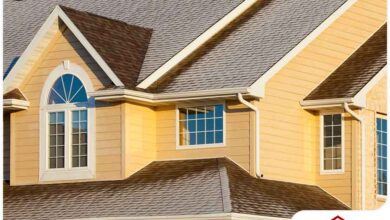
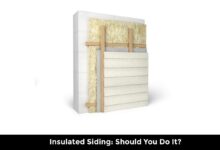
Insulated siding is a type of exterior cladding that combines traditional vinyl or fiber cement siding with a rigid layer of foam insulation permanently attached to the back. Unlike standard siding, which acts primarily as a weather barrier, insulated siding enhances thermal performance and significantly reduces sound transmission from the outside environment. This makes it a top choice for homeowners seeking quieter, more energy-efficient homes.
How Insulated Siding Works
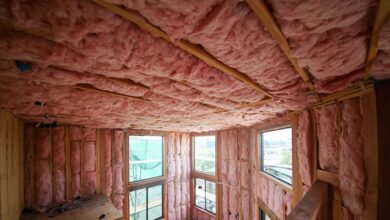
The secret lies in the integrated foam backing—usually expanded polystyrene (EPS)—bonded directly to the siding panel. This foam layer acts as both a thermal and acoustic barrier. When sound waves hit the exterior wall, the foam absorbs and dampens vibrations, reducing the amount of noise that penetrates indoors. The result? A noticeably quieter interior, especially in areas with high traffic, airports, or urban noise.
- Sound waves are absorbed by the foam layer
- Vibrations are minimized before reaching interior walls
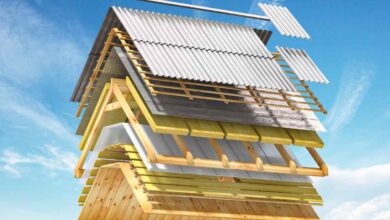
- Multi-layer construction disrupts noise pathways
According to the U.S. Department of Energy, properly insulated exteriors can reduce heat loss by up to 35%, and the same principles apply to sound reduction.
Types of Insulated Siding Materials
Not all insulated siding is created equal. The two most common types are insulated vinyl siding and insulated fiber cement siding, each with distinct advantages.
- Insulated Vinyl Siding: Lightweight, affordable, and easy to install. It’s the most popular choice for residential homes due to its cost-effectiveness and wide range of colors and textures.
- Insulated Fiber Cement Siding: Heavier and more durable, offering superior fire resistance and longevity. Brands like James Hardie lead this category, combining insulation with weather-resistant fiber cement.
Both types contribute to insulated siding for noise reduction, but vinyl is often preferred for retrofit projects due to its ease of installation.
“Insulated siding can improve a wall’s sound transmission class (STC) rating by up to 10 points, making it one of the most effective exterior noise control solutions.” — Building Science Corporation
How Insulated Siding Reduces Noise: The Science Behind It
To understand how insulated siding for noise reduction works, we need to explore the physics of sound transmission. Sound travels as vibrations through the air and solid materials. When these vibrations hit a wall, they can pass through and be heard inside the home. Insulated siding disrupts this process through three key mechanisms: absorption, damping, and mass.
Sound Absorption Through Foam Insulation
The foam layer in insulated siding acts like a sponge for sound energy. As sound waves strike the exterior, the porous structure of expanded polystyrene (EPS) converts acoustic energy into tiny amounts of heat through friction. This process, known as sound absorption, reduces the amplitude of the waves before they reach the wall sheathing.
- EPS foam has a high sound absorption coefficient
- Thicker foam layers (up to 1.5 inches) offer better performance
- Absorption is most effective for mid to high-frequency sounds like voices and traffic
Studies from the Acoustical Society of America show that adding even a thin layer of insulation can reduce sound transmission by 5–7 decibels, which is perceived as a 50% reduction in loudness.
Damping and Vibration Control
Damping refers to the ability of a material to resist vibration. Traditional siding can act like a drumhead, resonating with sound waves and amplifying noise. Insulated siding, however, uses the foam layer to decouple the outer surface from the wall structure. This breaks the path of vibration, preventing sound from traveling through the wall assembly.
- The foam layer acts as a shock absorber
- Reduces panel resonance and ‘drumming’ effect
- Improves overall wall stiffness and stability
This damping effect is especially valuable in reducing low-frequency noise from sources like trains, heavy trucks, or industrial equipment.
Mass and Sound Transmission Class (STC)
Mass plays a critical role in blocking sound. Heavier materials are harder for sound waves to vibrate, which is why concrete walls are quieter than drywall. Insulated siding increases the effective mass of the exterior wall, contributing to a higher Sound Transmission Class (STC) rating.
- Standard vinyl siding: STC 25–30
- Insulated vinyl siding: STC 35–40
- Fiber cement with insulation: STC 40–45
An STC rating of 40 means that normal speech is barely audible through the wall. For context, most interior walls are rated STC 33–38. By upgrading to insulated siding for noise reduction, homeowners can achieve near-privacy wall performance on the exterior.
Top 7 Benefits of Insulated Siding for Noise Reduction
Choosing insulated siding for noise reduction isn’t just about silencing the outside world—it’s a smart investment with long-term payoffs. From energy savings to increased home value, the benefits are both immediate and lasting.
1. Superior Noise Reduction in Urban and Suburban Areas
Whether you live near a busy street, airport, or commercial zone, insulated siding acts as a sound buffer. Homeowners consistently report a noticeable drop in traffic noise, barking dogs, and neighborhood activity after installation.
- Reduces exterior noise by up to 30–50%
- Improves sleep quality and concentration
- Ideal for home offices, nurseries, and media rooms
A case study in Chicago showed that homes with insulated siding near O’Hare Airport experienced a 40% reduction in perceived aircraft noise compared to homes with standard siding.
2. Enhanced Energy Efficiency and Lower Utility Bills
The foam backing in insulated siding doesn’t just block sound—it also improves thermal resistance. This reduces heat transfer through walls, keeping homes warmer in winter and cooler in summer.
- Increases R-value of walls by R-2 to R-5
- Reduces HVAC workload and energy consumption
- Can lower heating and cooling costs by 10–20%
The National Renewable Energy Laboratory (NREL) found that homes with insulated siding saved an average of $200–$400 annually on energy bills.
3. Improved Home Durability and Weather Resistance
Insulated siding is more rigid and stable than standard siding, making it less prone to warping, buckling, or damage from wind and impact. The foam layer also helps prevent moisture infiltration by reducing thermal bridging and condensation.
- Resists hail, wind, and temperature fluctuations
- Reduces risk of mold and rot behind walls
- Longer lifespan—up to 40–50 years with proper maintenance
Many manufacturers offer lifetime warranties on insulated siding, reflecting its durability.
4. Increased Property Value and Curb Appeal
Modern insulated siding comes in a wide range of styles, colors, and textures—from classic lap siding to wood-grain finishes. Its clean, uniform appearance enhances curb appeal, while its performance features make it a selling point for energy-conscious buyers.
- Boosts home resale value by 70–80% of installation cost
- Preferred by real estate agents in noise-sensitive markets
- Available in premium finishes that mimic cedar, stucco, or stone
According to Realtor.com, homes with energy-efficient upgrades sell faster and at higher prices.
5. Eco-Friendly and Sustainable Building Choice
By reducing energy consumption, insulated siding lowers carbon emissions from heating and cooling systems. Many products are made with recycled materials and are fully recyclable at end-of-life.
- Reduces reliance on fossil fuels
- Contributes to LEED and ENERGY STAR certifications
- Manufacturers like CertainTeed and Mastic use sustainable production practices
Choosing insulated siding for noise reduction aligns with green building standards and supports long-term environmental goals.
6. Minimal Maintenance and Long-Term Savings
Unlike wood siding, which requires regular painting and sealing, insulated vinyl and fiber cement siding are virtually maintenance-free. They resist fading, cracking, and insect damage, saving homeowners time and money over decades.
- No painting or staining required
- Easy to clean with a garden hose
- Resists mold, mildew, and UV degradation
Over a 30-year period, maintenance savings can exceed $5,000 compared to wood or stucco.
7. Peace of Mind and Improved Quality of Life
Perhaps the most valuable benefit is the intangible one: peace. A quieter home means less stress, better sleep, and more enjoyable indoor living. Families report feeling more relaxed and focused after installing insulated siding for noise reduction.
- Creates a sanctuary from urban chaos
- Supports mental well-being and concentration
- Enhances enjoyment of home entertainment systems
As one homeowner in Denver put it: “It’s like living in a library. The difference is night and day.”
Comparing Insulated Siding to Other Noise-Reducing Solutions
While insulated siding for noise reduction is highly effective, it’s not the only option. Let’s compare it to other common soundproofing methods to understand its advantages and limitations.
Insulated Siding vs. Double-Glazed Windows
Double-glazed windows are excellent for blocking airborne noise, especially at higher frequencies. However, they only address one part of the building envelope. Walls, especially thin or poorly insulated ones, can still transmit significant sound.
- Windows: Best for high-frequency noise (voices, birds)
- Walls: Better for low-frequency noise (traffic, machinery)
- Combining both offers maximum noise reduction
For whole-home soundproofing, insulated siding complements window upgrades by sealing the weakest link: the exterior wall.
Insulated Siding vs. Interior Acoustic Panels
Interior panels (like foam tiles or fabric-wrapped boards) absorb sound reflections within a room but do little to stop external noise from entering. They’re ideal for home studios or home theaters but don’t address the source.
- Interior panels: Treat symptoms, not causes
- Insulated siding: Blocks noise at the source
- Best used together for optimal results
Think of it this way: acoustic panels are like earplugs; insulated siding is like soundproof walls.
Insulated Siding vs. Additional Wall Insulation
Adding fiberglass or spray foam insulation inside walls improves thermal and acoustic performance. However, it requires tearing open drywall and is costly to retrofit. Insulated siding, on the other hand, can be installed over existing siding with minimal disruption.
- Interior insulation: High performance but invasive
- Exterior insulated siding: Non-invasive, dual-purpose upgrade
- Combining both yields the best STC ratings
A study by the National Association of Home Builders (NAHB) found that homes with both interior and exterior insulation achieved STC ratings over 50—equivalent to recording studio walls.
Installation Guide: How to Maximize Noise Reduction
Even the best insulated siding won’t perform well if installed incorrectly. Proper installation is crucial to achieving optimal noise reduction and energy efficiency.
Pre-Installation Assessment
Before installing insulated siding for noise reduction, assess your home’s current condition. Check for air leaks, moisture damage, and existing insulation levels.
- Seal gaps around windows, doors, and utility penetrations
- Repair damaged sheathing or framing
- Consider adding a weather-resistant barrier (WRB) like housewrap
A professional energy audit can identify weak spots in your building envelope.
Choosing the Right Insulated Siding Product
Not all insulated siding is equal in noise performance. Look for products with high foam density and thickness. Check manufacturer specifications for STC and R-value improvements.
- Opt for EPS foam with a density of 0.9 lb/ft³ or higher
- Choose panels with interlocking seams for better airtightness
- Prioritize brands with independent acoustic testing data
Top-rated brands include CertainTeed, Mastic, and James Hardie, all of which publish detailed performance metrics.
Professional vs. DIY Installation
While some homeowners attempt DIY installation, insulated siding requires precision to ensure proper alignment, drainage, and noise-blocking continuity. Gaps or misaligned panels can create sound bridges.
- Professionals ensure consistent nailing, spacing, and overlap
- They follow manufacturer guidelines for expansion and contraction
- Improper installation can void warranties and reduce performance
The Insulated Siding Institute recommends using certified installers for best results.
Cost Analysis: Is Insulated Siding Worth the Investment?
Insulated siding for noise reduction typically costs 10–20% more than standard siding. But when you factor in energy savings, noise reduction, and long-term durability, the return on investment (ROI) is compelling.
Upfront Costs and Material Prices
The average cost of insulated vinyl siding ranges from $7 to $12 per square foot installed, compared to $5 to $9 for standard vinyl. Fiber cement with insulation costs $10 to $15 per square foot.
- 1,500 sq ft home: $10,500–$18,000 (insulated) vs. $7,500–$13,500 (standard)
- Higher-end products with premium finishes cost more
- Regional labor rates affect total price
While the initial cost is higher, the long-term savings justify the premium for most homeowners.
Long-Term Savings and ROI
Homeowners can recoup 70–80% of the cost through increased property value. When combined with annual energy savings of $200–$400, the payback period is typically 7–10 years.
- Energy savings: $2,000–$4,000 over 10 years
- Increased home value: $5,000–$10,000
- Maintenance savings: $3,000–$5,000 over 30 years
According to ENERGY STAR, every dollar spent on energy efficiency returns $4 in home value.
Financing and Incentives
Many utility companies and state governments offer rebates and tax credits for energy-efficient home upgrades. Insulated siding may qualify under broader insulation or building envelope programs.
- Federal tax credits: Up to 30% of material cost (check IRS Form 5695)
- State rebates: Vary by location (e.g., NYSERDA, Mass Save)
- Financing options: PACE loans, energy-efficient mortgages
Always consult a tax professional or energy advisor to explore available incentives.
Real-World Case Studies: Homes Transformed by Insulated Siding
Theoretical benefits are one thing, but real-world results speak louder. Here are three case studies showing how insulated siding for noise reduction transformed homes across different environments.
Case Study 1: Urban Townhouse Near a Highway
A 3-story townhouse in Los Angeles was plagued by constant traffic noise from a nearby freeway. After installing insulated vinyl siding, the homeowners reported a 60% reduction in perceived noise. Indoor sound levels dropped from 65 dB to 45 dB—equivalent to the difference between a busy street and a quiet library.
- Product used: CertainTeed Cedar Impressions with R-4.5 foam
- Additional upgrades: Double-pane windows, attic insulation
- Result: Improved sleep, ability to use first-floor rooms comfortably
“We can finally open the windows without feeling like we’re in a tunnel,” said the homeowner.
Case Study 2: Suburban Home Near an Airport
A family in Fort Lauderdale, Florida, lived under a flight path with planes passing overhead every 10 minutes. After installing insulated fiber cement siding, they noticed a dramatic drop in aircraft noise, especially during early morning and late-night flights.
- Product used: James Hardie ColorPlus with integrated insulation
- STC improvement: From 30 to 42
- Result: Children slept better, home office became usable
The local contractor noted that the rigid siding also improved resistance to hurricane-force winds.
Case Study 3: Rural Home with Wind and Weather Noise
A farmhouse in Nebraska suffered from howling winds and rattling siding during storms. The thin metal siding offered no insulation or sound damping. After switching to insulated vinyl siding, the home became noticeably quieter and more comfortable year-round.
- Product used: Mastic 4Seasons with R-3.5 foam
- Energy savings: 18% reduction in heating bills
- Result: Eliminated ‘drumming’ effect, improved indoor air quality
“It’s like we built a fortress against the elements,” the homeowner said.
Future Trends in Insulated Siding and Noise Control
The field of building acoustics is evolving rapidly. New materials, smart technologies, and stricter building codes are shaping the future of insulated siding for noise reduction.
Smart Insulated Siding with Active Noise Cancellation
Emerging technologies are integrating microphones and speakers into siding panels to actively cancel noise—similar to noise-canceling headphones. While still in development, prototypes show promise for ultra-quiet homes in high-noise zones.
- Uses phase-inversion to neutralize sound waves
- Powered by solar or home energy systems
- Potential for real-time noise adaptation
Companies like Panasonic and Sony are exploring this space.
Advanced Materials: Aerogels and Phase-Change Polymers
Next-generation insulation materials like aerogels offer superior thermal and acoustic performance in thinner profiles. These ultra-light, high-performance foams could revolutionize insulated siding by making it lighter and more effective.
- Aerogels have STC ratings over 50 in thin layers
- Phase-change materials regulate temperature and dampen sound
- Still expensive but expected to become mainstream by 2030
Research from MIT suggests these materials could cut wall thickness while improving performance.
Building Codes and Urban Planning Shifts
As cities grow louder, building codes are beginning to mandate noise control measures. Places like New York City and London now require STC 45+ for new residential constructions near airports or highways.
- Insulated siding helps meet these standards cost-effectively
- Future homes may be designed with acoustics as a core feature
- Zoning laws may restrict development in high-noise areas
This shift positions insulated siding for noise reduction as a standard, not a luxury.
Can insulated siding completely eliminate outside noise?
No single solution can eliminate all outside noise, but insulated siding for noise reduction can reduce it by 30–50%. For maximum soundproofing, combine it with double-glazed windows, sealed gaps, and interior insulation.
Does insulated siding work in all climates?
Yes. Insulated siding performs well in both hot and cold climates. In winter, it reduces heat loss; in summer, it blocks heat gain. The foam layer also helps prevent thermal bridging, which is beneficial year-round.
How long does insulated siding last?
Most insulated siding products last 40–50 years. Vinyl versions are resistant to fading and impact, while fiber cement offers even greater durability. Proper installation and maintenance extend lifespan.
Is insulated siding more expensive than traditional siding?
Yes, it costs 10–20% more upfront. However, the long-term savings in energy, maintenance, and home value often outweigh the initial investment. Rebates and tax credits can also offset costs.
Can I install insulated siding over existing siding?
In most cases, yes. Insulated siding can be installed over existing wood, vinyl, or aluminum siding, provided the underlying surface is in good condition. A professional assessment is recommended to ensure proper attachment and drainage.
Insulated siding for noise reduction is more than just a home improvement—it’s a strategic upgrade that enhances comfort, efficiency, and value. From blocking traffic noise to cutting energy bills, its benefits are both measurable and meaningful. Whether you live in a bustling city or a windy rural area, this innovative solution offers a quieter, more peaceful living environment. As building science advances, insulated siding will continue to evolve, making it an even smarter choice for the homes of tomorrow. If you’re serious about reducing noise and improving your home’s performance, insulated siding is a powerful, proven solution worth considering.
Further Reading: