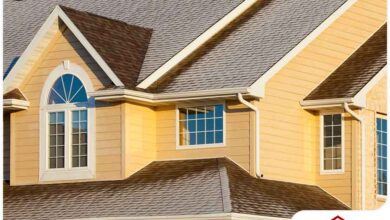
Thinking about upgrading your home’s exterior? The insulated siding installation cost might be more affordable than you think—and the benefits go far beyond curb appeal. Let’s break down everything you need to know.


Insulated Siding Installation Cost: What You Need to Know

When homeowners consider exterior renovations, one of the most frequently asked questions is: “How much does insulated siding cost to install?” The answer isn’t as simple as a single number. The insulated siding installation cost varies widely based on materials, labor, home size, and regional pricing. On average, homeowners can expect to pay between $7 and $14 per square foot, with total project costs ranging from $8,000 to $20,000 for a typical 1,500 to 2,000 square foot home.
Factors That Influence Insulated Siding Installation Cost
Several key variables affect the final price tag. These include the type of siding material chosen, the complexity of your home’s architecture, the condition of existing siding, and your geographic location. For example, homes in colder climates may require thicker insulation layers, increasing material costs. Additionally, multi-story homes or those with intricate designs (like bay windows or dormers) require more labor, which drives up the price.
- Material type (vinyl, fiber cement, etc.)
- Home size and architectural complexity
- Removal of old siding
- Regional labor rates
According to the Home Depot, vinyl insulated siding is one of the most popular choices due to its balance of cost, durability, and energy efficiency. However, premium materials like insulated fiber cement can cost significantly more but offer longer lifespans and better fire resistance.
Average Cost Breakdown by Material
Understanding the cost differences between materials is crucial when budgeting for your project. Here’s a detailed breakdown:
- Vinyl Insulated Siding: $7–$10 per sq. ft. installed. Most cost-effective and widely used.
- Fiber Cement Insulated Siding: $10–$14 per sq. ft. More durable but heavier and harder to install.
- Insulated Metal Siding: $12–$16 per sq. ft. Excellent for commercial or industrial-style homes.
For a 2,000 sq. ft. home, this translates to:
- Vinyl: $14,000–$20,000
- Fiber Cement: $20,000–$28,000
- Metal: $24,000–$32,000
“Insulated siding isn’t just about looks—it’s a long-term investment in energy efficiency and home value.” — Energy Star
Why Insulated Siding Installation Cost Is Worth It
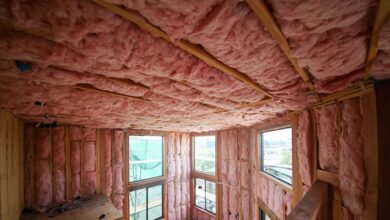
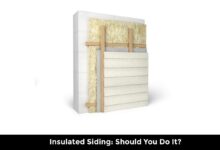
While the upfront insulated siding installation cost may seem steep, the long-term savings and benefits make it a smart financial decision for many homeowners. Unlike traditional siding, insulated siding comes with a rigid foam backing that improves your home’s thermal performance. This means less heat loss in winter and reduced cooling needs in summer, directly lowering your energy bills.
Energy Efficiency and Utility Savings
One of the biggest advantages of insulated siding is its ability to reduce energy consumption. The U.S. Department of Energy estimates that up to 40% of a home’s energy loss occurs through the walls. Insulated siding can reduce this loss by up to 20%, depending on the R-value (thermal resistance) of the foam layer.
- R-Value of standard insulated vinyl siding: R-2 to R-5
- Potential annual energy savings: $200–$700
- Payback period: 5–10 years
For example, a homeowner in Minnesota might save $600 annually on heating costs after installing insulated siding, effectively recouping the installation cost over time. The Energy Star program certifies certain insulated siding products that meet strict energy performance standards, helping consumers make informed choices.
Increased Home Value and Curb Appeal
Insulated siding doesn’t just save money—it also adds value. According to the National Association of Realtors, exterior upgrades like siding replacement offer a return on investment (ROI) of up to 80%. Homes with modern, energy-efficient siding are more attractive to buyers, especially in competitive markets.
- Improved curb appeal with clean, modern lines
- Higher perceived home quality
- Reduced maintenance needs = more appealing to buyers
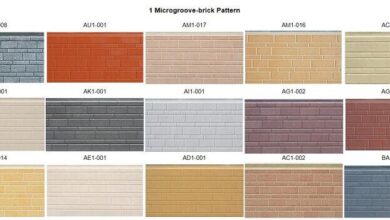
Additionally, insulated siding is available in a wide range of colors, textures, and styles, allowing homeowners to customize their look without sacrificing performance.
Hidden Costs in Insulated Siding Installation
When calculating the total insulated siding installation cost, it’s essential to account for more than just the price per square foot. Many homeowners are surprised by additional expenses that aren’t always included in initial quotes. These hidden costs can add 15–30% to your total budget if not planned for.
Siding Removal and Disposal Fees
If your home has old siding—especially materials like asbestos-containing siding or damaged wood—removal and proper disposal can be costly. Asbestos abatement alone can cost $5–$15 per square foot, significantly increasing your project’s total cost.
- Standard vinyl or wood removal: $1–$3 per sq. ft.
- Asbestos or hazardous material removal: $5–$15 per sq. ft.
- Landfill or recycling disposal fees: $100–$500 total
Always ask your contractor for a detailed breakdown of removal costs and ensure they are licensed for hazardous material handling if needed.
Repairing Underlying Wall Damage
Once the old siding is removed, contractors often discover hidden issues like rotting sheathing, water damage, or mold. These problems must be repaired before new siding can be installed. Repair costs vary widely:
- Minor sheathing repair: $2–$5 per sq. ft.
- Major structural repair: $10–$20 per sq. ft.
- Mold remediation: $500–$6,000 depending on severity
It’s wise to set aside a contingency budget of 10–15% of your total project cost to cover unexpected repairs.
Regional Differences in Insulated Siding Installation Cost
The insulated siding installation cost isn’t uniform across the U.S. Geographic location plays a major role in pricing due to differences in labor rates, material availability, and climate demands. For example, contractors in urban areas like New York or San Francisco charge higher hourly rates than those in rural Midwest towns.
Insulated siding installation cost – Insulated siding installation cost menjadi aspek penting yang dibahas di sini.
Cost Comparison by Region
Here’s a breakdown of average installed costs per square foot by region:
- Northeast: $10–$14 (higher labor costs, colder climate = thicker insulation)
- Midwest: $8–$12 (moderate pricing, seasonal demand)
- South: $7–$10 (lower labor costs, less need for high R-value)
- West Coast: $11–$15 (high demand, strict building codes)
For instance, a 1,800 sq. ft. home in Boston might cost $22,000 to $25,000, while the same home in Atlanta could cost $16,000–$18,000. Always get multiple local quotes to ensure accuracy.
Climate Impact on Material Choice and Cost
Climatic conditions directly influence the type of insulated siding you’ll need. In colder regions, higher R-value siding is recommended to prevent heat loss. In humid or coastal areas, moisture-resistant materials like fiber cement are preferred to prevent mold and rot.
- Cold climates: R-4 to R-5 insulation recommended
- Hot climates: Focus on reflective finishes and ventilation
- Coastal areas: Corrosion-resistant materials (e.g., fiber cement or metal)
The Building Science Corporation recommends evaluating your local climate zone when selecting siding to maximize performance and longevity.
DIY vs. Professional Installation: Cost Implications
One way homeowners try to reduce the insulated siding installation cost is by attempting a DIY installation. While this can save on labor, it comes with significant risks and trade-offs.
Pros and Cons of DIY Installation
DIY can cut labor costs by $3–$6 per square foot, potentially saving thousands. However, improper installation can lead to:
- Water infiltration and mold
- Reduced energy efficiency
- Voided manufacturer warranties
- Costly repairs down the line
Insulated siding requires precise cutting, alignment, and sealing. Even small gaps can compromise the thermal barrier. Most manufacturers require professional installation to honor warranties.
When to Hire a Pro
Hiring a licensed, experienced contractor ensures the job is done right the first time. Look for contractors who:
- Are certified by siding manufacturers (e.g., James Hardie, Mastic)
- Have liability and workers’ compensation insurance
- Provide detailed written estimates
- Offer warranties on both labor and materials
The Better Business Bureau recommends checking contractor reviews and verifying licenses before signing any contract.
How to Save Money on Insulated Siding Installation
While the insulated siding installation cost can be substantial, there are several smart strategies to reduce expenses without sacrificing quality.
Get Multiple Quotes
Always obtain at least 3–5 detailed quotes from local contractors. Compare not just the total price, but also the materials, labor rates, and warranty terms. A lower bid might cut corners on insulation quality or installation practices.
- Ask for itemized breakdowns
- Verify material specifications
- Check for hidden fees
Online platforms like Houzz and HomeAdvisor can help connect you with vetted professionals in your area.
Time Your Project Strategically
Scheduling your installation during the off-season (late fall or winter) can lead to lower labor rates, as contractors often offer discounts to stay busy during slower months. Avoid peak seasons like spring and early summer when demand is high.
- Off-season discounts: 5–15% off
- Increased contractor availability
- Better scheduling flexibility
Just ensure weather conditions allow for safe and effective installation—avoid rainy or freezing days.
Look for Rebates and Incentives
Many utility companies and government programs offer rebates for energy-efficient home improvements. Installing insulated siding may qualify you for:
- Federal tax credits (e.g., Energy Efficient Home Improvement Credit)
- State or local rebates
- Utility company incentives
For example, the Inflation Reduction Act of 2022 provides tax credits of up to 30% of project costs (up to $600) for energy-efficient exterior upgrades. Visit energy.gov to explore available programs in your area.
Long-Term Value vs. Upfront Insulated Siding Installation Cost
When evaluating the insulated siding installation cost, it’s crucial to look beyond the initial price tag. This upgrade offers long-term financial, environmental, and aesthetic benefits that compound over time.
Insulated siding installation cost – Insulated siding installation cost menjadi aspek penting yang dibahas di sini.
Return on Investment (ROI) Analysis
According to Remodeling Magazine’s 2023 Cost vs. Value Report, vinyl siding replacement (including insulated options) recoups about 78% of its cost at resale. For a $15,000 project, that’s $11,700 returned in home value.
- Increased marketability
- Faster sale times
- Higher appraised value
Insulated siding also reduces maintenance costs—no painting, sealing, or frequent repairs—saving hundreds over decades.
Environmental and Comfort Benefits
Beyond dollars and cents, insulated siding improves indoor comfort by reducing drafts and temperature fluctuations. It also lowers your carbon footprint by decreasing energy consumption.
- More consistent indoor temperatures
- Reduced HVAC strain
- Lower greenhouse gas emissions
Homeowners often report quieter interiors due to the sound-dampening properties of the foam backing.
What is the average insulated siding installation cost?
The average insulated siding installation cost ranges from $7 to $14 per square foot, with total project costs typically between $8,000 and $20,000 for a standard home. Factors like material type, home size, and regional labor rates influence the final price.
Does insulated siding really save energy?
Yes. Insulated siding can reduce wall heat loss by up to 20%, leading to annual energy savings of $200–$700. Products with Energy Star certification offer verified performance improvements.
Can I install insulated siding myself?
While possible, DIY installation is not recommended. Improper installation can lead to water damage, reduced efficiency, and voided warranties. Professional installation ensures optimal performance and longevity.
How long does insulated siding last?
Most insulated vinyl siding lasts 30–50 years, while fiber cement options can last 50+ years with minimal maintenance. Proper installation and climate conditions affect lifespan.
Are there tax credits for insulated siding?
Yes. Under the Inflation Reduction Act, homeowners may qualify for a federal tax credit of up to 30% of project costs (capped at $600) for energy-efficient exterior upgrades, including insulated siding.
When you weigh the insulated siding installation cost against its long-term benefits—energy savings, increased home value, and enhanced comfort—it becomes clear this is more than just a cosmetic upgrade. It’s a strategic investment in your home’s performance and future resale potential. By understanding the factors that influence pricing, planning for hidden costs, and taking advantage of incentives, you can make an informed decision that pays off for decades. Whether you’re in a cold northern state or a humid southern region, insulated siding offers a smart, sustainable solution for modern homeowners.
Insulated siding installation cost – Insulated siding installation cost menjadi aspek penting yang dibahas di sini.
Further Reading: