Thinking about upgrading your home’s exterior? The insulated siding cost per square foot is a crucial factor that can influence both your budget and long-term savings. In this comprehensive guide, we break down every element affecting pricing, installation, and ROI.


Understanding Insulated Siding Cost Per Square Foot

When homeowners begin researching exterior upgrades, one of the most frequently asked questions is: what is the insulated siding cost per square foot? This figure isn’t static—it fluctuates based on materials, labor, regional pricing, and home size. On average, you can expect to pay between $4.00 and $12.00 per square foot for insulated vinyl siding, with most installations landing around $7.50 per square foot.
What Factors Influence the Base Price?
The base price of insulated siding includes both material and labor components. However, several variables can shift this number significantly. Material quality, brand reputation, insulation R-value, and regional labor rates all play a role. For example, a high-end brand like CertainTeed or Alside may cost more upfront but offer better durability and energy efficiency.
- Material type (vinyl, fiber cement, etc.)
- Insulation R-value (typically R-2 to R-5)
- Geographic location and local labor costs
How Does It Compare to Traditional Siding?
Traditional vinyl siding typically costs between $3.00 and $7.00 per square foot. While insulated siding has a higher initial cost, the long-term savings on energy bills and reduced maintenance often justify the investment. According to the U.S. Department of Energy, proper insulation can reduce heating and cooling costs by up to 20%.
“Insulated siding isn’t just a cosmetic upgrade—it’s a performance enhancement that pays dividends over time.” — Home Energy Magazine
Insulated Siding Cost Per Square Foot: Material Breakdown
To truly understand the insulated siding cost per square foot, it’s essential to dissect the materials involved. The two most common types are insulated vinyl and insulated fiber cement, each with distinct price points and benefits.
Insulated Vinyl Siding: Affordable and Efficient
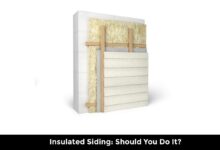
Insulated vinyl siding is the most popular choice due to its balance of cost, durability, and energy efficiency. It typically ranges from $4.00 to $9.00 per square foot installed. The insulation is permanently attached to the back of the vinyl panel, usually made of expanded polystyrene (EPS), providing an R-value between 2.0 and 3.5.
- Low maintenance and fade-resistant
- Available in a wide range of colors and textures
- Installation is faster than fiber cement
Brands like CertainTeed and Masonite dominate the market, offering warranties up to 50 years. While the upfront cost is higher than traditional vinyl, the energy savings and reduced noise transmission make it a smart long-term investment.
Insulated Fiber Cement Siding: Premium Durability
Fiber cement siding with integrated insulation is a premium option, costing between $8.00 and $12.00 per square foot. Brands like James Hardie offer products such as HardieZone, which includes climate-specific insulation. This material is highly resistant to fire, insects, and extreme weather, making it ideal for regions prone to wildfires or hurricanes.
- Exceptional durability and longevity
- Higher R-values (up to R-5)
- Requires professional installation due to weight and cutting needs
While more expensive, fiber cement can increase home value and reduce insurance premiums in high-risk areas. However, the cutting process releases silica dust, requiring strict safety protocols during installation.
Insulated siding cost per square foot – Insulated siding cost per square foot menjadi aspek penting yang dibahas di sini.
Regional Variations in Insulated Siding Cost Per Square Foot
The insulated siding cost per square foot is not uniform across the United States. Geographic location significantly impacts both material availability and labor rates. Understanding these regional differences can help you budget more accurately.
Cost Differences by U.S. Region
In the Northeast, where energy efficiency is a priority due to harsh winters, insulated siding is more common and competitively priced. Average costs range from $6.50 to $9.00 per square foot. In contrast, the South, with milder winters, sees lower demand, but prices can still reach $7.00 to $10.00 due to humidity-resistant material requirements.
- Midwest: $5.50–$8.50 per sq ft
- West Coast: $7.00–$12.00 per sq ft (higher labor costs)
- South: $6.00–$9.00 per sq ft
Urban areas like New York City or San Francisco often have labor rates 20–30% higher than rural regions. Additionally, local building codes may require specific insulation standards, affecting material choices and overall cost.
How Climate Affects Material Selection and Pricing
Climate plays a crucial role in determining the ideal R-value and material type. In colder regions, homeowners benefit more from higher R-values (R-4 or R-5), which increases the insulated siding cost per square foot. In hot, humid climates, moisture resistance and ventilation become priorities, influencing the choice of fiber cement over vinyl.
“In Alaska, insulated siding isn’t a luxury—it’s a necessity for survival and efficiency.” — Arctic Home Builders Association
Manufacturers are now offering climate-specific products, such as James Hardie’s HardieZone siding, which tailors insulation levels to regional weather patterns. This customization improves performance but can add 10–15% to the base price.
Installation Costs and Labor Considerations
When calculating the insulated siding cost per square foot, labor is a major component—often accounting for 40–60% of the total project cost. Professional installation ensures proper fitting, weatherproofing, and warranty validity.
What’s Included in Labor Costs?
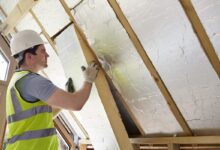
Professional installation typically includes removal of old siding, substrate repair, installation of house wrap, and precise fitting of insulated panels. Labor rates vary from $50 to $100 per hour, with most projects requiring 1–3 weeks depending on home size and complexity.
- Removal of existing siding (if needed)
- Inspection and repair of sheathing
- Installation of weather-resistant barrier (WRB)
- Cutting and fitting around windows, doors, and corners
DIY installation is possible but not recommended for insulated siding. Misalignment or improper sealing can lead to air leaks, moisture intrusion, and voided warranties. According to The Home Depot, professional installation increases system performance by up to 30%.
How Home Size and Complexity Impact Total Cost
The total cost of insulated siding is not just about price per square foot—it’s also about total square footage and architectural complexity. A simple ranch-style home with minimal corners and overhangs will cost less to side than a two-story colonial with dormers and intricate trim.
Insulated siding cost per square foot – Insulated siding cost per square foot menjadi aspek penting yang dibahas di sini.
- 1,500 sq ft home: ~$11,250–$18,000 total
- 2,500 sq ft home: ~$18,750–$30,000 total
- Complex designs can add 15–25% to labor costs
Additionally, multi-story homes require scaffolding or lifts, increasing labor time and expense. It’s crucial to get multiple quotes and ensure contractors measure total wall area, not just floor area.
Energy Efficiency and Long-Term Savings
One of the most compelling reasons to invest in insulated siding is its impact on energy efficiency. While the upfront insulated siding cost per square foot may seem high, the long-term savings on utility bills can offset the initial expense.
How Insulated Siding Reduces Energy Bills
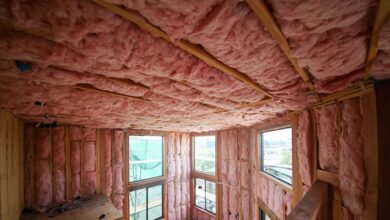
Insulated siding acts as an additional thermal barrier, reducing heat transfer through walls. This means your HVAC system doesn’t have to work as hard to maintain indoor temperatures. According to the U.S. Environmental Protection Agency, homes with insulated siding can see a 10–20% reduction in heating and cooling costs annually.
- Reduces thermal bridging through wall studs
- Improves overall R-value of exterior walls
- Minimizes air infiltration when properly installed
For a typical 2,000 sq ft home, this could translate to $200–$500 in annual savings, depending on climate and energy rates. Over a 10-year period, that’s $2,000–$5,000 in savings—enough to cover a significant portion of the initial investment.
Impact on Home Value and Resale Potential
Insulated siding not only saves money on utilities but also enhances curb appeal and home value. A 2023 Realtor.com report found that homes with energy-efficient upgrades sell 7% faster and for 3–5% more than comparable homes without them.
- Modern appearance with deep textures and realistic wood grain
- Low maintenance appeals to busy homeowners
- Energy efficiency is a top buyer priority
“Buyers today aren’t just looking for beauty—they want performance. Insulated siding delivers both.” — National Association of Home Builders
Additionally, some insurers offer discounts for homes with impact-resistant or fire-resistant siding, further increasing long-term financial benefits.
Warranty, Maintenance, and Lifespan
When evaluating the insulated siding cost per square foot, it’s essential to consider long-term durability and maintenance requirements. High-quality insulated siding can last 40–50 years with minimal upkeep, making it a cost-effective choice over time.
What Do Warranties Cover?
Most manufacturers offer comprehensive warranties that cover both the siding and the insulation layer. Typical warranties include:
- 50-year limited warranty on fade and hail resistance (CertainTeed)
- 30-year transferable warranty on material defects (James Hardie)
- Prorated coverage for insulation integrity
However, warranties often require professional installation and proper maintenance (e.g., regular cleaning) to remain valid. Always read the fine print and ask contractors for proof of certification with the manufacturer.
Insulated siding cost per square foot – Insulated siding cost per square foot menjadi aspek penting yang dibahas di sini.
Maintenance Requirements and Longevity
One of the biggest advantages of insulated vinyl siding is its low maintenance. Unlike wood, it doesn’t require painting, sealing, or staining. A simple rinse with a garden hose every year or two is usually sufficient. In areas with heavy tree cover or pollution, occasional washing with mild soap may be needed.
- Resistant to rot, insects, and moisture
- No painting or sealing required
- Can be repaired or replaced in sections if damaged
Fiber cement requires slightly more care, especially if painted. Repainting every 10–15 years is recommended to maintain appearance and protection. However, its resistance to fire and pests makes it ideal for high-risk areas.
How to Get the Best Value for Your Investment
Maximizing the return on your insulated siding investment requires careful planning, research, and smart decision-making. Understanding the true insulated siding cost per square foot is just the beginning.
Get Multiple Quotes and Compare Apples to Apples
Always obtain at least three detailed quotes from licensed, insured contractors. Ensure each quote includes:
- Material brand and R-value
- Labor costs broken down
- Removal and disposal fees
- Warranty information
Be wary of unusually low bids—they may cut corners on insulation quality or installation practices. Ask for references and check online reviews on platforms like BBB or Houzz.
Look for Rebates and Incentives
Many utility companies and local governments offer rebates for energy-efficient home improvements. For example, some states provide $0.25–$0.50 per square foot rebates for installing insulated siding. The Database of State Incentives for Renewables & Efficiency (DSIRE) is a valuable resource for finding available programs.
- Federal tax credits may apply for energy-efficient upgrades
- Local utility rebates can reduce net cost by 10–20%
- Some manufacturers offer instant rebates or financing
Combining these incentives with long-term energy savings can dramatically improve your return on investment.
What is the average insulated siding cost per square foot?
The average insulated siding cost per square foot ranges from $4.00 to $12.00, depending on material type, insulation R-value, and regional labor rates. Most homeowners pay around $7.50 per square foot for insulated vinyl siding installed.
Insulated siding cost per square foot – Insulated siding cost per square foot menjadi aspek penting yang dibahas di sini.
Does insulated siding really save energy?
Yes, insulated siding can reduce heating and cooling costs by 10–20% annually by improving wall insulation and reducing air leakage. The U.S. Department of Energy confirms that exterior insulation upgrades significantly enhance home energy efficiency.
Is insulated siding worth the extra cost?
For most homeowners, yes. While the upfront cost is higher than traditional siding, the long-term savings on energy bills, reduced maintenance, increased home value, and improved comfort make insulated siding a worthwhile investment.
Can I install insulated siding myself?
While possible, DIY installation is not recommended. Improper installation can lead to gaps, moisture issues, and voided warranties. Professional installers ensure proper fitting, sealing, and compliance with manufacturer requirements.
How long does insulated siding last?
High-quality insulated vinyl siding can last 40–50 years, while fiber cement options can last 50+ years with proper maintenance. Most manufacturers offer 30–50 year limited warranties covering material defects and fade resistance.
Investing in insulated siding is more than a cosmetic upgrade—it’s a strategic move toward a more efficient, durable, and valuable home. While the insulated siding cost per square foot may seem high initially, the combination of energy savings, low maintenance, and increased property value makes it a smart long-term decision. By understanding regional pricing, material options, and available incentives, homeowners can make informed choices that maximize their return on investment. Whether you’re in a cold northern climate or a humid southern region, insulated siding offers performance benefits that traditional siding simply can’t match.
Insulated siding cost per square foot – Insulated siding cost per square foot menjadi aspek penting yang dibahas di sini.
Further Reading: