Looking to boost your home’s energy efficiency and comfort? Insulated siding for better insulation isn’t just a trend—it’s a smart, long-term investment that delivers real savings and performance. Discover how this innovative solution transforms homes across climates and budgets.


What Is Insulated Siding for Better Insulation?

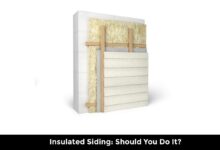
Insulated siding refers to exterior cladding that combines traditional siding materials—like vinyl or fiber cement—with a rigid layer of foam insulation permanently attached to the back. Unlike standard siding, which offers minimal thermal resistance, insulated siding for better insulation is engineered to reduce heat transfer, improve energy efficiency, and enhance the overall durability of your home’s envelope.
The Science Behind Thermal Resistance
Thermal resistance, measured in R-values, indicates how well a material resists heat flow. The higher the R-value, the better the insulation. Traditional vinyl siding has an R-value of about 0.6, while insulated siding can offer R-values between 2.0 and 5.0, depending on the foam thickness and type.
- Polyisocyanurate (polyiso) foam offers one of the highest R-values per inch.
- Expanded polystyrene (EPS) is commonly used due to its cost-effectiveness and moisture resistance.
- Extruded polystyrene (XPS) provides excellent compressive strength and water resistance.
According to the U.S. Department of Energy, proper insulation can reduce heating and cooling costs by up to 20%, making insulated siding for better insulation a critical component in energy-efficient homes.
“Insulated siding not only improves energy performance but also reduces the load on HVAC systems, extending their lifespan.” — Energy Efficiency Expert, National Institute of Building Sciences
Types of Insulated Siding Materials
Not all insulated siding is created equal. The choice of material impacts durability, appearance, cost, and insulation performance. Here are the most common types:
- Vinyl Insulated Siding: The most popular option due to its affordability, low maintenance, and wide range of colors and textures.
- Fiber Cement Insulated Siding: Offers superior fire resistance and durability but at a higher cost and installation complexity.
- Insulated Metal Panels: Often used in commercial buildings but gaining traction in high-end residential applications for their strength and thermal performance.
Each material integrates a continuous layer of foam insulation, eliminating thermal bridging—a common issue in traditional framing where studs conduct heat out of the home.
7 Key Benefits of Insulated Siding for Better Insulation
Choosing insulated siding for better insulation goes beyond just keeping your home warm in winter. It’s a holistic upgrade that impacts energy bills, indoor comfort, noise levels, and even property value. Let’s explore the seven most compelling advantages.
1. Dramatically Improved Energy Efficiency
One of the primary reasons homeowners invest in insulated siding for better insulation is its ability to reduce energy consumption. By minimizing heat loss in winter and heat gain in summer, the siding reduces the workload on heating and cooling systems.
- Studies by the National Renewable Energy Laboratory (NREL) show homes with insulated siding can see up to 20% reduction in HVAC energy use.
- The continuous insulation layer prevents air infiltration, a major cause of energy loss in older homes.
- Insulated siding works synergistically with other insulation types (e.g., wall cavity, attic) to create a comprehensive thermal envelope.
This efficiency translates into lower utility bills year-round, especially in regions with extreme temperatures.
2. Enhanced Indoor Comfort and Temperature Stability
Have you ever felt cold spots near exterior walls during winter? That’s a sign of poor insulation. Insulated siding for better insulation helps maintain consistent indoor temperatures by reducing thermal bridging and minimizing drafts.
- Rooms feel warmer in winter without cranking up the thermostat.
- Summer heat is kept at bay, reducing hot spots near windows and walls.
- Improved thermal mass helps stabilize indoor temperatures, reducing temperature swings.
Homeowners report a noticeable difference in comfort, especially in rooms with large exterior walls or poor sun exposure.
3. Reduced Exterior Noise Pollution
While not its primary function, insulated siding for better insulation also acts as a sound barrier. The foam backing absorbs and dampens external noise from traffic, neighbors, or weather.
- Reduces noise transmission by up to 30% compared to standard siding.
- Particularly beneficial for homes near highways, airports, or busy urban areas.
- Contributes to a quieter, more peaceful indoor environment—ideal for home offices or nurseries.
This acoustic benefit is an often-overlooked perk that enhances overall livability.
4. Increased Home Durability and Weather Resistance
Insulated siding isn’t just about energy—it’s also about protection. The rigid foam layer adds structural rigidity to the wall system, making it more resistant to impact, wind, and moisture intrusion.
- Reduces the risk of warping, buckling, or denting in vinyl siding.
- Helps prevent moisture buildup behind the siding, reducing the chance of mold and rot.
- Acts as a secondary weather barrier when combined with proper housewrap.
Many manufacturers offer extended warranties (up to 50 years) on insulated siding, reflecting its long-term durability.
5. Higher Property Value and Curb Appeal
Modern, energy-efficient homes are in high demand. Installing insulated siding for better insulation can boost your home’s market value and attract eco-conscious buyers.
- Energy-efficient features are among the top selling points in real estate listings.
- Insulated siding comes in a variety of textures and colors, enhancing curb appeal.
- Homeowners recoup up to 80% of installation costs upon resale, according to Realtor.com.
It’s a visible upgrade that signals quality, care, and modernization.
6. Environmental Impact and Sustainability
By reducing energy consumption, insulated siding for better insulation contributes to lower carbon emissions. This makes it a sustainable choice for environmentally conscious homeowners.
- Less reliance on fossil fuels for heating and cooling.
- Some insulated siding products are made with recycled materials and are recyclable at end-of-life.
- Long lifespan reduces the need for frequent replacements and waste.
When paired with solar panels or other green technologies, insulated siding becomes part of a holistic sustainability strategy.
7. Long-Term Cost Savings Despite Higher Upfront Cost
Yes, insulated siding costs more upfront—typically 20-30% more than standard siding. But the long-term savings make it a wise financial decision.
- Energy savings can amount to $200–$500 annually, depending on climate and home size.
- Reduced maintenance and repair costs over time.
- Eligibility for tax credits and rebates in many states (e.g., DSIRE database lists incentives for energy-efficient upgrades).
When factoring in durability, energy savings, and increased home value, the return on investment (ROI) is compelling.
How Insulated Siding for Better Insulation Compares to Traditional Insulation Methods
While traditional insulation methods like fiberglass batts or spray foam are effective, they have limitations—especially when it comes to thermal bridging and air leakage. Insulated siding for better insulation addresses these gaps by providing continuous exterior insulation.
Thermal Bridging: The Hidden Energy Thief
Thermal bridging occurs when heat flows through conductive materials like wood or metal studs in walls. Even with well-insulated cavities, up to 30% of heat can escape through these bridges.
- Insulated siding creates a continuous layer of insulation over the entire wall surface, minimizing thermal bridging.
- Exterior insulation is more effective than cavity-only insulation in reducing heat loss.
- Building science experts recommend ‘outsulation’—insulation on the outside—as a best practice for high-performance homes.
This approach aligns with advanced building standards like Passive House and Net Zero Energy.
Air Sealing and Moisture Management
Traditional insulation often leaves gaps around electrical outlets, windows, and framing, allowing air to leak. Insulated siding, when properly installed with sealing tapes and flashing, enhances the air barrier system.
- Reduces air infiltration by up to 40% compared to standard siding.
- Helps manage moisture by allowing walls to dry to the exterior, preventing trapped humidity.
- When combined with a rainscreen system, promotes airflow behind the siding, further reducing moisture risks.
Proper installation is key—poor workmanship can negate these benefits.
Integration with Other Insulation Systems
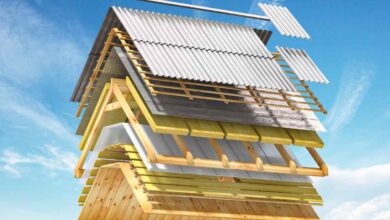
Insulated siding for better insulation doesn’t replace cavity insulation—it complements it. The best results come from a layered approach:
- Cavity insulation (e.g., fiberglass, cellulose) fills the stud space.
- Continuous exterior insulation (insulated siding) covers the entire wall.
- Attic and foundation insulation complete the thermal envelope.
This ‘whole-house’ insulation strategy maximizes energy efficiency and comfort.
Installation Best Practices for Insulated Siding for Better Insulation
Even the best product can underperform if installed incorrectly. Proper installation ensures maximum energy savings, durability, and weather resistance.
Pre-Installation Assessment and Planning
Before installing insulated siding for better insulation, a thorough assessment of the existing wall system is essential.
- Check for moisture damage, rot, or mold behind current siding.
- Ensure the wall sheathing is in good condition and properly sealed.
- Verify that housewrap or building paper is intact and correctly installed.
Consulting with a certified contractor or energy auditor can help identify hidden issues and optimize the upgrade.
Proper Fastening and Sealing Techniques
Insulated siding requires specific fastening methods to maintain the integrity of the foam layer and prevent thermal bridging.
- Use longer nails or screws to penetrate through the foam and into the wall sheathing.
- Follow manufacturer guidelines for fastener spacing and placement.
- Seal joints and seams with compatible tapes or sealants to ensure airtightness.
Improper fastening can compress the foam, reducing its R-value and creating weak spots.
Integration with Windows, Doors, and Trim
One of the most challenging aspects of installation is detailing around windows and doors. Gaps here can create significant air leaks.
- Use backer rod and high-quality sealant to fill gaps between siding and window frames.
- Install flashing correctly to direct water away from the wall cavity.
- Consider using j-channel or custom trim to maintain a clean, professional look.
Attention to detail at transitions ensures both performance and aesthetics.
Common Myths and Misconceptions About Insulated Siding for Better Insulation
Despite its benefits, insulated siding for better insulation is often misunderstood. Let’s debunk some common myths.
Myth 1: It’s Only for Cold Climates
Many believe insulated siding is only useful in northern states. In reality, it’s equally beneficial in hot climates.
- In summer, it prevents heat from entering the home, reducing cooling loads.
- Studies show homes in the South can save as much on AC as northern homes save on heating.
- The reflective properties of some siding materials enhance solar heat rejection.
Energy efficiency matters year-round, regardless of location.
Myth 2: It Traps Moisture and Causes Mold
When installed correctly, insulated siding does not trap moisture. In fact, it can improve moisture management.
- Modern foam materials are moisture-resistant and allow vapor diffusion.
- Proper ventilation and rainscreen gaps prevent condensation buildup.
- Many insulated siding systems are designed with drainage channels.
The key is proper installation and using breathable wall assemblies.
Myth 3: It’s Too Expensive to Be Worth It
While the upfront cost is higher, the long-term savings and benefits outweigh the initial investment.
- Energy savings accumulate over time, often paying back the cost in 5–10 years.
- Increased durability reduces replacement and maintenance costs.
- Rebates and tax incentives can offset up to 30% of the cost in some areas.
Think of it as a long-term asset, not just a home improvement expense.
Choosing the Right Insulated Siding for Better Insulation: A Buyer’s Guide
With so many options on the market, selecting the best insulated siding for better insulation can be overwhelming. Here’s what to consider.
Material Selection: Vinyl vs. Fiber Cement vs. Metal
Each material has pros and cons depending on your climate, budget, and aesthetic preferences.
- Vinyl: Affordable, low maintenance, wide color selection. Best for moderate climates.
- Fiber Cement: Fire-resistant, insect-proof, durable. Ideal for high-wind or wildfire-prone areas.
- Metal: Long-lasting, recyclable, modern look. Suitable for contemporary or industrial designs.
Consider local weather patterns and HOA regulations when choosing.
R-Value and Thickness: What You Need to Know
Not all insulated siding offers the same level of performance. R-value and foam thickness are critical factors.
- Look for R-values between 2.0 and 5.0 for optimal performance.
- Thicker foam (1/2 inch or more) provides better insulation but may require special installation.
- Higher R-values are worth the investment in extreme climates.
Don’t just compare prices—compare performance metrics.
Brand Reputation and Warranty Coverage
Reputable brands invest in research, quality control, and customer support.
- Top brands include CertainTeed, Mastic, Alside, and James Hardie.
- Look for lifetime warranties with transferable coverage for resale value.
- Check customer reviews and BBB ratings before purchasing.
A good warranty reflects confidence in the product’s durability and performance.
Real-World Case Studies: Homes Transformed by Insulated Siding for Better Insulation
Theoretical benefits are great, but real-world results speak louder. Here are three case studies showing the impact of insulated siding for better insulation.
Case Study 1: A 1950s Ranch Home in Minnesota
This home had single-pane windows and minimal wall insulation. After installing insulated vinyl siding (R-4.3), the homeowners saw:
- 35% reduction in winter heating bills.
- No more cold drafts near exterior walls.
- Improved indoor air quality due to reduced air leakage.
The project paid for itself in energy savings within 8 years.
Case Study 2: A Coastal Home in Florida
Exposed to high humidity and salt air, this home needed durable, energy-efficient siding. Fiber cement insulated siding was chosen for its resistance to moisture and pests.
- 25% decrease in summer cooling costs.
- No signs of warping or mold after 5 years.
- Neighbors reported the home looked newer and more upscale.
The homeowner also qualified for a $500 state rebate.
Case Study 3: A Historic Home in New England
Preserving character while improving efficiency was the goal. Insulated vinyl siding with a wood-grain texture was installed.
- Energy audit showed a 40% improvement in wall R-value.
- Interior comfort increased without altering the home’s historic appearance.
- Home value increased by an estimated $10,000.
The project demonstrated that energy efficiency and aesthetics can coexist.
Is insulated siding for better insulation worth the investment?
Yes, for most homeowners, insulated siding for better insulation offers a strong return on investment through energy savings, increased comfort, and long-term durability. It’s especially beneficial in climates with extreme temperatures or high energy costs.
Can I install insulated siding over existing siding?
In many cases, yes—but only if the existing siding is in good condition and flat. Damaged or warped siding should be removed first. Always consult a professional to assess the substrate.
Does insulated siding require special maintenance?
No, insulated siding requires the same low maintenance as standard siding—occasional cleaning with a hose or pressure washer. Avoid harsh chemicals that could damage the finish.
Will insulated siding work with solar panels?
Absolutely. In fact, the improved energy efficiency of insulated siding complements solar panel systems by reducing overall energy demand, allowing smaller (and cheaper) solar arrays to meet household needs.
Are there any tax credits for installing insulated siding?
While insulated siding itself may not qualify for federal tax credits, it can contribute to overall home energy efficiency upgrades that do. Check the U.S. Department of Energy’s tax credit page and your state’s energy office for current incentives.
Insulated siding for better insulation is more than just a wall covering—it’s a strategic upgrade that enhances energy efficiency, comfort, durability, and value. From reducing utility bills to improving indoor air quality, the benefits are both immediate and long-lasting. Whether you’re building new or renovating an older home, this innovative solution offers a smart, sustainable path forward. With proper installation and material selection, insulated siding for better insulation can transform your home into a high-performance, energy-efficient haven.
Further Reading: