Insulated siding can transform your home’s energy efficiency and curb appeal—but only if properly maintained. Discover how to maintain insulated siding the right way with these essential, expert-backed tips that ensure lasting performance and beauty.




Why Maintaining Insulated Siding Matters

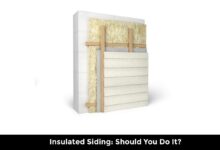
Insulated siding combines traditional exterior cladding with a layer of rigid foam insulation, offering superior thermal performance, noise reduction, and weather resistance. However, like any exterior building material, it requires consistent care to deliver on its promises. Neglecting maintenance can lead to moisture intrusion, mold growth, reduced energy efficiency, and costly repairs down the line.
According to the National Association of Home Builders (NAHB), homes with well-maintained insulated siding can see up to 20% improvement in energy efficiency over time. This makes routine care not just a cosmetic concern, but a financial and structural imperative.
Energy Efficiency Preservation
One of the primary reasons homeowners choose insulated siding is its ability to reduce heating and cooling costs. The foam backing acts as a continuous insulation layer, minimizing thermal bridging through wall studs. But if the siding becomes damaged or improperly sealed, that insulation value diminishes.
- Cracks or gaps allow air infiltration, reducing R-value effectiveness.
- Damaged panels compromise the thermal envelope, increasing HVAC workload.
- Moisture trapped behind siding degrades insulation performance over time.
Regular inspections help catch issues early, preserving the energy-saving benefits you paid for.
How to maintain insulated siding – How to maintain insulated siding menjadi aspek penting yang dibahas di sini.
Preventing Costly Repairs
Small problems with insulated siding—like a loose panel or minor crack—can escalate quickly if ignored. Water intrusion is the biggest threat, potentially leading to rot, mold, and structural damage behind walls.
“A single square foot of water-damaged sheathing can lead to thousands in remediation costs if left unchecked,” says John Peterson, a certified building inspector with over 25 years of experience.
By learning how to maintain insulated siding proactively, homeowners avoid emergency repairs and extend the lifespan of their investment.
How to Maintain Insulated Siding: Step-by-Step Guide
Maintaining insulated siding doesn’t require specialized tools or professional expertise—just consistency and attention to detail. Follow these seven proven steps to keep your siding in peak condition year after year.
1. Conduct Biannual Visual Inspections
The first and most crucial step in how to maintain insulated siding is regular visual assessment. Twice a year—ideally in spring and fall—walk around your home and examine every section of the siding.
- Look for cracks, warping, or bulging panels.
- Check for discoloration or staining, which may indicate moisture issues.
- Inspect seams and joints for separation or gaps.
Pay special attention to areas near windows, doors, and rooflines, where water infiltration is more likely. Use binoculars for hard-to-reach sections or consider hiring a drone inspection service for multi-story homes.
How to maintain insulated siding – How to maintain insulated siding menjadi aspek penting yang dibahas di sini.
2. Clean Siding with Low-Pressure Washing
Dirt, mold, algae, and environmental pollutants can accumulate on insulated siding, affecting both appearance and performance. Cleaning is a vital part of how to maintain insulated siding effectively.
Use a garden hose with a mild detergent or a specialized vinyl siding cleaner. For tougher grime, a pressure washer set to low pressure (under 1,200 PSI) can be used, but never exceed manufacturer recommendations.
- Always spray downward to prevent water from getting behind panels.
- Avoid using harsh chemicals like bleach unless absolutely necessary.
- Rinse thoroughly to prevent residue buildup.
The U.S. Department of Energy recommends cleaning exterior cladding every 12–18 months to maintain optimal reflectivity and thermal performance.
3. Repair Damaged Panels Promptly
If you spot cracked, warped, or loose siding panels during your inspection, address them immediately. Delaying repairs increases the risk of water damage and reduces energy efficiency.
To replace a damaged panel:
How to maintain insulated siding – How to maintain insulated siding menjadi aspek penting yang dibahas di sini.
- Use a zip tool to carefully remove the damaged piece without harming adjacent panels.
- Cut a replacement panel to size, ensuring it matches the existing profile.
- Slide the new panel into place and lock it securely.
For minor cracks or holes, some manufacturers offer patch kits. Always refer to the product manual or consult the manufacturer before attempting DIY fixes.
Seasonal Maintenance Tips for Insulated Siding
Seasonal changes bring unique challenges to exterior siding. Adapting your maintenance routine throughout the year ensures your insulated siding remains resilient against weather extremes.
Spring: Post-Winter Damage Assessment
After months of snow, ice, and freeze-thaw cycles, spring is the perfect time to assess winter damage. This is a critical phase in how to maintain insulated siding in colder climates.
- Check for ice dam-related damage near eaves and gutters.
- Look for signs of pest intrusion—rodents and insects may have sought shelter behind siding.
- Clean off salt residue from roads, which can corrode siding over time.
Also, ensure downspouts are directing water at least 5 feet away from the foundation to prevent splashback on siding.
Summer: UV and Heat Protection
Prolonged sun exposure can cause fading and thermal expansion in insulated siding. While most modern products are UV-resistant, cumulative exposure still takes a toll.
How to maintain insulated siding – How to maintain insulated siding menjadi aspek penting yang dibahas di sini.
- Inspect for warping or buckling, especially on south- and west-facing walls.
- Trim nearby trees and bushes to allow airflow and reduce shading that promotes mold.
- Consider installing shade structures or awnings to reduce direct sunlight exposure.
Light-colored siding reflects more heat and is less prone to expansion issues, making it a smart choice in hot climates.
Fall and Winter: Preparing for Moisture and Cold
As temperatures drop, moisture becomes a bigger threat. Proper fall preparation is essential in how to maintain insulated siding in freezing conditions.
- Seal any gaps around windows, doors, and utility penetrations with exterior-grade caulk.
- Clean gutters and downspouts to prevent ice dams and water overflow.
- Check for loose panels that could be lifted by strong winter winds.
Ensure proper attic ventilation to reduce condensation that could migrate into wall cavities behind the siding.
Common Problems and How to Fix Them
Even well-maintained insulated siding can develop issues over time. Recognizing common problems early allows for timely intervention, preserving both aesthetics and function.
Moisture Intrusion and Mold Growth
One of the most serious issues is water getting behind the siding. This can happen due to improper installation, damaged flashing, or clogged weep holes.
How to maintain insulated siding – How to maintain insulated siding menjadi aspek penting yang dibahas di sini.
- Symptoms include soft spots, bubbling, or dark streaks on the siding.
- Interior signs may include musty odors or elevated humidity levels.
- Use a moisture meter to check for hidden dampness in wall cavities.
If moisture is detected, remove the affected panels, dry the area completely, and replace insulation if necessary. Install new panels with proper flashing and drainage gaps.
Panel Warping and Buckling
Warping occurs when siding expands and contracts excessively due to temperature swings or poor ventilation. This is more common in dark-colored siding or homes with inadequate soffit vents.
- Ensure there’s a minimum 1/4-inch gap between panels to allow for expansion.
- Verify that the house wrap and insulation behind the siding are intact.
- Consider repainting with a lighter color to reduce heat absorption.
In severe cases, warped panels must be replaced to restore the wall’s integrity.
Loose or Detached Panels
Strong winds, improper nailing, or aging fasteners can cause panels to loosen or detach. This compromises both insulation and weather protection.
- Reattach panels using manufacturer-approved nails or screws.
- Never overdrive fasteners, as this can distort the panel.
- Replace rusted or corroded nails immediately.
Regular inspections help catch loose panels before they become a hazard.
How to maintain insulated siding – How to maintain insulated siding menjadi aspek penting yang dibahas di sini.
Tools and Products for Effective Maintenance
Having the right tools and cleaning products makes how to maintain insulated siding easier, safer, and more effective. Here’s what you’ll need for routine care.
Essential Cleaning Tools
Keeping your siding clean enhances curb appeal and prevents long-term damage from biological growth.
- Soft-bristle brush or microfiber pad for gentle scrubbing.
- Low-pressure pressure washer (max 1,200 PSI).
- Extension wand for reaching upper levels safely.
Avoid wire brushes or abrasive pads, which can scratch the surface and void warranties.
Repair and Replacement Supplies
For minor fixes, keep a small toolkit on hand.
- Zip tool for removing interlocking panels.
- Utility knife for trimming replacement pieces.
- Exterior-grade caulk and caulking gun.
- Manufacturer-recommended fasteners (usually corrosion-resistant nails).
Always store replacement panels in a dry, shaded area in case future repairs are needed.
How to maintain insulated siding – How to maintain insulated siding menjadi aspek penting yang dibahas di sini.
Protective and Preventative Products
Some products can extend the life of your insulated siding.
- UV-protective sealants (for certain composite sidings).
- Mold and mildew inhibitors for humid climates.
- Water-repellent coatings (use only if approved by the manufacturer).
Be cautious with aftermarket coatings—they can trap moisture if not breathable.
How to Maintain Insulated Siding in Different Climates
Climate plays a major role in how siding performs and what kind of maintenance it needs. Tailoring your approach based on your region ensures optimal results.
Cold and Snowy Regions
In northern climates, freeze-thaw cycles and heavy snow loads are the main concerns.
- Prevent ice dams with proper attic insulation and ventilation.
- Use snow rakes to remove heavy snow buildup from lower walls.
- Inspect for salt spray damage near driveways and sidewalks.
Choose siding with high impact resistance and flexible foam backing to withstand thermal stress.
How to maintain insulated siding – How to maintain insulated siding menjadi aspek penting yang dibahas di sini.
Hot and Sunny Climates
Intense sunlight and high temperatures can cause fading and expansion.
- Opt for light-colored siding to minimize heat absorption.
- Ensure adequate airflow behind siding with proper furring strips or rainscreen systems.
- Inspect for warping every summer and replace damaged panels promptly.
Look for products with UV stabilizers and thermal expansion allowances.
Humid and Coastal Areas
Moisture, salt air, and high humidity accelerate corrosion and biological growth.
- Clean siding more frequently—every 6–12 months.
- Use marine-grade fasteners to resist salt corrosion.
- Install insect screening at weep holes to prevent pest entry.
Choose insulated siding with moisture-resistant foam cores and antimicrobial coatings.
Professional Maintenance vs. DIY Care
While many aspects of how to maintain insulated siding can be handled by homeowners, some tasks are best left to professionals.
How to maintain insulated siding – How to maintain insulated siding menjadi aspek penting yang dibahas di sini.
When to Call a Pro
Certain situations require expert assessment and repair.
- Extensive water damage or mold behind walls.
- Structural issues like sagging or bulging walls.
- Large-scale panel replacement or re-siding projects.
Certified contractors have the tools and experience to diagnose hidden problems and ensure code-compliant repairs.
Benefits of Professional Inspections
Even if you handle routine cleaning and minor fixes, scheduling a professional inspection every 3–5 years is wise.
- They can detect early signs of moisture intrusion using thermal imaging.
- They verify that flashing, drainage, and ventilation are functioning correctly.
- They ensure all work complies with manufacturer warranties.
The Building Science Corporation recommends periodic professional evaluations for homes in extreme climates.
DIY Tips for Safe and Effective Care
For homeowners who prefer hands-on maintenance, safety and technique are key.
How to maintain insulated siding – How to maintain insulated siding menjadi aspek penting yang dibahas di sini.
- Always use a stable ladder and wear non-slip shoes.
- Never work in wet or windy conditions.
- Follow manufacturer guidelines to avoid voiding warranties.
Document your maintenance with photos and notes—this helps track changes over time and supports warranty claims.
Long-Term Benefits of Proper Insulated Siding Maintenance
Investing time and effort into how to maintain insulated siding pays off in multiple ways, from financial savings to environmental impact.
Extended Lifespan of Siding
Well-maintained insulated siding can last 30–50 years or more, depending on material and climate. Regular care prevents premature degradation.
- Prevents UV degradation and color fading.
- Reduces stress from thermal expansion and contraction.
- Minimizes risk of pest infestations and rot.
This longevity translates to fewer replacements and less waste over time.
Improved Energy Efficiency Over Time
The insulation layer in siding loses effectiveness if compromised. Proper maintenance ensures consistent thermal performance.
How to maintain insulated siding – How to maintain insulated siding menjadi aspek penting yang dibahas di sini.
- Sealed joints prevent air leaks.
- Dry insulation maintains its R-value.
- Clean surfaces reflect sunlight more effectively.
According to the Environmental Protection Agency (EPA), maintaining building envelopes can reduce household energy use by up to 20%.
Higher Property Value and Curb Appeal
Exterior appearance significantly influences home value. Well-kept siding enhances curb appeal and signals to buyers that the home is well-maintained.
- Increases resale value by up to 10% in some markets.
- Reduces negotiation pressure during home sales.
- Attracts more potential buyers with strong first impressions.
A clean, intact exterior is one of the fastest ways to boost marketability.
How often should I clean my insulated siding?
It’s recommended to clean insulated siding every 12 to 18 months. In areas with high humidity, pollution, or tree cover, cleaning every 6 to 12 months may be necessary to prevent mold and algae buildup.
How to maintain insulated siding – How to maintain insulated siding menjadi aspek penting yang dibahas di sini.
Can I pressure wash insulated siding?
Yes, but only with low pressure (under 1,200 PSI) and a wide-angle nozzle. Always spray downward to avoid forcing water behind the panels, which can lead to moisture damage.
What should I do if water gets behind my siding?
If water intrusion is suspected, remove the affected panels, dry the area thoroughly, and inspect for mold or rot. Replace damaged insulation and re-install siding with proper flashing and drainage. Consider consulting a professional for extensive damage.
Does insulated siding require special maintenance compared to regular siding?
Insulated siding requires similar cleaning and inspection routines as regular siding, but extra attention should be paid to seams, insulation integrity, and moisture management due to the added foam layer.
Can I paint insulated vinyl siding?
Some insulated vinyl siding products are paintable, but many are not. Always check the manufacturer’s guidelines before painting. Using improper paint can trap moisture and void warranties.
Maintaining insulated siding is a smart, cost-effective way to protect your home’s exterior, boost energy efficiency, and preserve property value. By following these seven proven steps—regular inspections, proper cleaning, timely repairs, climate-specific care, and knowing when to call a pro—you ensure your siding performs at its best for decades. Whether you handle maintenance yourself or hire professionals, consistency is key. Start today, and enjoy a more durable, efficient, and beautiful home tomorrow.
Recommended for you 👇
Further Reading: