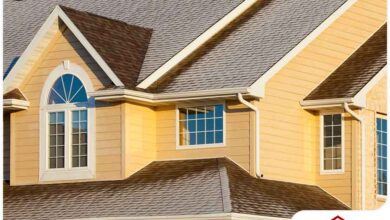
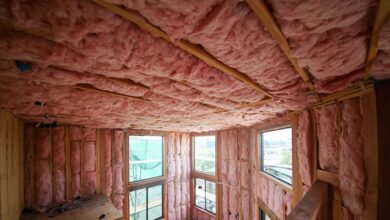
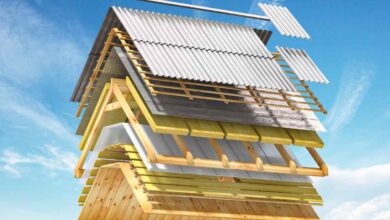
Thinking about upgrading your home’s exterior? Fiber cement insulated siding might be the game-changer you’ve been looking for. Durable, energy-efficient, and stunningly versatile, this modern cladding solution blends performance with curb appeal like no other.


What Is Fiber Cement Insulated Siding?

Fiber cement insulated siding is a high-performance exterior cladding that combines the strength of fiber cement with a layer of rigid foam insulation. Unlike traditional siding materials, it’s engineered to protect homes from weather, reduce energy costs, and maintain aesthetic appeal for decades.
Composition and Structure
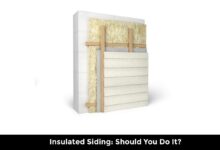
Fiber cement insulated siding is made from a blend of cellulose fibers, sand, and Portland cement. The insulation layer—typically expanded polystyrene (EPS) or extruded polystyrene (XPS)—is bonded directly to the back of the siding panel during manufacturing. This creates a unified system that simplifies installation and maximizes thermal performance.
- Core material: Cellulose fibers for flexibility and crack resistance
- Binder: Portland cement for durability and fire resistance
- Filler: Silica sand for density and weather resistance
- Insulation: EPS or XPS foam (R-values typically between R-2.5 and R-4.3)
This composite structure makes fiber cement insulated siding significantly heavier than vinyl but far more resilient and energy-efficient.
How It Differs From Traditional Siding
Traditional fiber cement siding—like James Hardie’s HardiePlank—offers excellent durability but lacks integrated insulation. Fiber cement insulated siding takes this a step further by combining structural integrity with thermal resistance. This eliminates the need for separate insulation layers and reduces thermal bridging through the wall system.
“Integrated insulation transforms fiber cement from a protective shell into a high-efficiency building envelope component.” — Building Science Institute, buildingscience.com
Compared to vinyl or wood siding, fiber cement insulated siding resists warping, rot, and insect damage while offering superior fire and impact resistance.
Top 7 Benefits of Fiber Cement Insulated Siding
Choosing fiber cement insulated siding isn’t just about looks—it’s a long-term investment in your home’s performance, comfort, and value. Here are seven compelling reasons why homeowners and builders are making the switch.
1. Exceptional Durability and Longevity
Fiber cement insulated siding is built to last. With proper installation and maintenance, it can endure 50 years or more, outlasting vinyl, wood, and even aluminum siding.
- Resists cracking, chipping, and warping in extreme temperatures
- Non-combustible: Class A fire rating
- Impervious to termites and wood-destroying organisms
- Withstands hurricane-force winds (tested up to 150 mph)
Manufacturers like James Hardie offer 30-year limited warranties on paint and product integrity, a testament to its reliability.
2. Superior Energy Efficiency
The integrated insulation layer significantly reduces heat transfer through exterior walls. This means less reliance on HVAC systems and lower utility bills year-round.
- Reduces air infiltration by sealing gaps more effectively than traditional siding
- Improves overall wall R-value, contributing to better building envelope performance
- Helps maintain consistent indoor temperatures, reducing hot and cold spots
According to the U.S. Department of Energy, adding exterior insulation can reduce heating and cooling costs by up to 20%. Fiber cement insulated siding delivers this benefit without sacrificing aesthetics.
3. Enhanced Noise Reduction
The dense fiber cement layer and foam backing act as a sound barrier, reducing external noise from traffic, neighbors, and weather. This is especially valuable in urban or high-traffic areas.
- STC (Sound Transmission Class) ratings typically range from 35 to 45
- Effective at blocking mid-to-high frequency sounds (e.g., voices, sirens)
- Improves indoor comfort and privacy
For homeowners seeking a quieter living environment, fiber cement insulated siding offers a passive acoustic upgrade.
4. Low Maintenance Requirements
Unlike wood, which requires regular staining or painting, fiber cement insulated siding is pre-finished with durable acrylic coatings that resist fading, chalking, and moisture damage.
- No painting needed for decades (depending on climate and exposure)
- Resists mold, mildew, and algae growth
- Easy to clean with a garden hose or pressure washer (at low settings)
While not entirely maintenance-free, it demands far less attention than most cladding options, saving time and long-term costs.
5. Excellent Aesthetic Versatility
Fiber cement insulated siding comes in a wide range of styles, textures, and colors, mimicking the look of wood, stucco, or masonry without the drawbacks.
- Available in lap siding, shingles, panels, and vertical styles
- Textures include smooth, wood grain, cedar shake, and stucco finishes
- ColorPlus® technology by James Hardie offers fade-resistant, factory-applied finishes
This versatility allows homeowners to match any architectural style—from Craftsman bungalows to modern farmhouses—without compromising on performance.
6. Increased Home Value and Curb Appeal
Upgrading to fiber cement insulated siding can boost your home’s market value. According to Remodeling Magazine’s 2023 Cost vs. Value Report, fiber cement siding projects recoup over 80% of their cost at resale.
- Highly desirable among buyers for its durability and low maintenance
- Improves energy efficiency ratings, appealing to eco-conscious buyers
- Enhances curb appeal with clean, modern finishes
Real estate agents often highlight fiber cement siding as a selling point, especially in regions prone to extreme weather.
7. Environmental and Sustainability Advantages
Fiber cement insulated siding contributes to greener building practices through energy savings and material longevity.
- Reduces carbon footprint by lowering energy consumption
- Contains recycled materials (some products use up to 30% post-industrial waste)
- Long lifespan means fewer replacements and less construction waste
While the manufacturing process is energy-intensive, the long-term environmental benefits outweigh initial impacts. Some products qualify for LEED credits in sustainable building projects.
How Fiber Cement Insulated Siding Works: The Science Behind the Performance
Understanding the science behind fiber cement insulated siding helps explain why it outperforms traditional cladding systems. It’s not just about materials—it’s about how they work together to create a smarter building envelope.
Thermal Performance and R-Value
The insulation layer in fiber cement insulated siding directly increases the wall’s R-value, a measure of thermal resistance. While the siding itself doesn’t replace cavity insulation, it adds an extra layer of protection.
- EPS foam: R-3.6 to R-4.2 per inch
- XPS foam: R-5 per inch (higher density, better moisture resistance)
- Combined with cavity insulation, total wall R-values can exceed R-15
This continuous insulation approach minimizes thermal bridging through studs, a common issue in wood-frame construction.
Moisture and Air Barrier Integration
Modern fiber cement insulated siding systems are designed to work with weather-resistant barriers (WRBs) like housewrap or fluid-applied membranes. The siding acts as a rainscreen, allowing water to drain away while blocking wind-driven rain.
- Gapped installation promotes airflow behind panels, reducing moisture buildup
- Interlocking joints minimize water penetration
- Compatible with smart vapor barriers that adapt to humidity levels
Proper flashing and sealing at windows, doors, and corners are critical to maintaining airtightness and preventing leaks.
Structural Integrity and Impact Resistance
The fiber-reinforced cement matrix provides exceptional strength. Unlike vinyl, which becomes brittle in cold weather, fiber cement maintains its integrity across temperature extremes.
- Resists hail damage (tested to withstand 2-inch hailstones at 50 mph)
- Does not sag or deform under heavy snow loads
- High compressive strength (up to 8,000 psi in some formulations)
This makes it ideal for regions with harsh winters or frequent storms.
Installation Process: What Homeowners Need to Know
Installing fiber cement insulated siding requires skill, proper tools, and adherence to manufacturer guidelines. While it can be a DIY project for experienced contractors, professional installation is recommended for best results.
Pre-Installation Preparation
Before siding goes up, the wall structure must be sound and properly prepared.
- Inspect sheathing for damage or rot
- Install a weather-resistant barrier (e.g., Tyvek, Delta-Dry)
- Ensure all windows, doors, and penetrations are properly flashed
- Use furring strips if a rainscreen gap is required
Improper prep is the leading cause of moisture issues and premature failure.
Step-by-Step Installation Guide
While specifics vary by brand, the general installation process follows these steps:
- Start with a starter strip at the bottom edge
- Install the first course, ensuring it’s level and properly lapped
- Secure panels with corrosion-resistant nails or screws (typically every 8 inches)
- Stagger joints between rows to prevent water tracking
- Install trim and corner boards for a finished look
- Seal joints and penetrations with compatible caulk or tape
Always follow the manufacturer’s instructions for fastener type, spacing, and expansion gaps.
Common Installation Mistakes to Avoid
Even small errors can compromise performance. Here are frequent pitfalls:
- Over-driving fasteners, which can crack the cement
- Installing in freezing temperatures, affecting adhesion and curing
- Skipping the rainscreen gap, trapping moisture behind siding
- Misaligning panels, leading to uneven appearance and water entry
For best results, hire a James Hardie Preferred Installer or a contractor certified in fiber cement systems.
Fiber Cement Insulated Siding vs. Other Siding Options
How does fiber cement insulated siding stack up against alternatives? Let’s compare it to popular choices on the market.
Vinyl Siding
Vinyl is cheaper upfront but lacks the durability and insulation of fiber cement.
- Cost: Vinyl averages $3–$7 per sq. ft.; fiber cement insulated: $8–$14
- Lifespan: Vinyl lasts 20–40 years; fiber cement exceeds 50
- Insulation: Vinyl has no integrated insulation; R-value depends on wall cavity
- Durability: Vinyl can warp, crack, or fade in extreme sun or cold
While vinyl is easier to install, fiber cement insulated siding offers better long-term value.
Wood Siding
Wood offers natural beauty but demands high maintenance.
- Maintenance: Wood needs repainting every 5–7 years; fiber cement rarely needs repainting
- Risk: Wood is vulnerable to rot, insects, and fire; fiber cement is resistant
- Cost: Wood ranges from $6–$12; fiber cement insulated is comparable but lasts longer
- Insulation: Neither has built-in insulation unless added separately
Fiber cement mimics wood grain convincingly, offering the look without the upkeep.
Stucco and Masonry
Stucco and brick are durable but heavy and expensive.
- Weight: Stucco requires reinforced framing; fiber cement is lighter
- Cost: Stucco: $10–$15/sq. ft.; brick: $15–$30; fiber cement: $8–$14
- Insulation: Both require separate insulation layers; fiber cement has it integrated
- Cracking: Stucco is prone to hairline cracks; fiber cement is more flexible
Fiber cement provides a similar aesthetic at a lower cost and weight, with added energy benefits.
Maintenance and Care for Long-Term Performance
While fiber cement insulated siding is low-maintenance, proper care ensures it performs optimally for decades.
Cleaning and Inspection Routine
Annual cleaning and inspection can prevent minor issues from becoming major problems.
- Wash with mild detergent and water using a soft brush or low-pressure washer
- Avoid high-pressure settings, which can damage the surface or force water behind panels
- Inspect for cracks, loose fasteners, or signs of moisture intrusion
- Clean gutters and downspouts to prevent water splash-back
Address any damage promptly to maintain warranty coverage.
Repairing Damaged Panels
If a panel is cracked or dented, it can often be replaced without affecting the entire wall.
- Cut out the damaged section using a circular saw with a carbide blade
- Remove fasteners and slide out the old piece
- Slide in the new panel and secure with nails or screws
- Seal joints with compatible caulk
Keep leftover siding from the original installation for matching repairs.
Painting and Refinishing Options
Most fiber cement insulated siding comes pre-finished, but painting is possible if desired.
- Use 100% acrylic latex paint for best adhesion and flexibility
- Prime bare edges or cut sections before painting
- Follow manufacturer guidelines for colorfastness and warranty compliance
Repainting is rarely needed but can refresh the look after 15–20 years.
Cost Analysis: Is Fiber Cement Insulated Siding Worth the Investment?
The upfront cost of fiber cement insulated siding is higher than many alternatives, but its long-term value makes it a smart financial decision.
Material and Installation Costs
Expect to pay between $8 and $14 per square foot for materials and installation.
- Materials: $5–$9 per sq. ft.
- Labor: $3–$5 per sq. ft.
- Total for a 1,500 sq. ft. home: $12,000–$21,000
Costs vary by region, complexity, and contractor experience.
Long-Term Savings and ROI
While the initial investment is significant, the long-term savings are substantial.
- Energy savings: 10–20% reduction in heating and cooling bills
- Maintenance savings: Minimal painting, repairs, or replacements
- Resale value: Recoups 80%+ of cost, according to Remodeling Magazine
Over a 30-year period, the total cost of ownership is often lower than vinyl or wood.
Financing and Incentives
Some energy-efficient siding projects qualify for tax credits or rebates.
- Federal energy tax credits may apply if insulation meets certain R-values
- Local utility companies sometimes offer rebates for energy-efficient upgrades
- Home improvement loans or HELOCs can spread out payments
Check with the U.S. Department of Energy for current incentive programs.
Top Brands and Product Lines in the Market
Several manufacturers offer high-quality fiber cement insulated siding. Here are the leading brands and their standout features.
James Hardie: HardieZone and HardieShingle
James Hardie is the industry leader, known for innovation and durability.
- HardiePlank Lap Siding with ColorPlus Technology
- HardieShingle for cedar shake aesthetics
- HardiePanel for modern, flat-panel designs
- Regional formulation (HardieZone) tailored to climate zones
Their products are backed by extensive research and a robust warranty network.
Allura: Fiber Cement Planks with Integrated Insulation
Allura offers lightweight fiber cement siding with optional insulation backing.
- Easier to handle than traditional fiber cement
- Available in lap, shingle, and panel styles
- Compatible with rainscreen systems
Allura focuses on design flexibility and ease of installation.
Custom-Bilt Metals and Other Hybrid Systems
Some companies combine fiber cement with metal or other materials for unique performance benefits.
- Hybrid panels with metal cladding and foam core
- Increased dent resistance and thermal performance
- Higher cost but exceptional durability
These are often used in commercial or high-end residential applications.
Is fiber cement insulated siding worth the cost?
Absolutely. While the upfront investment is higher than vinyl or wood, the long-term savings in energy, maintenance, and replacement costs make it a financially sound choice. Plus, it boosts curb appeal and resale value.
Can I install fiber cement insulated siding myself?
It’s possible for experienced DIYers, but professional installation is recommended. The material is heavy, requires special cutting tools, and must be installed with precise gaps and fastening techniques to prevent cracking and moisture issues.
Does fiber cement insulated siding need painting?
No, most products come with factory-applied, fade-resistant finishes like James Hardie’s ColorPlus®. Repainting is rarely needed but can be done with 100% acrylic latex paint if desired after many years.
How does it perform in extreme weather?
Exceptionally well. It resists hurricane-force winds, hail, freezing temperatures, and intense sun without warping, cracking, or fading. Its non-combustible nature also makes it ideal for wildfire-prone areas.
Is it eco-friendly?
Yes, in the long term. While manufacturing is energy-intensive, the product’s longevity, energy efficiency, and use of recycled materials contribute to sustainability. It reduces the need for frequent replacements and lowers household energy consumption.
Fiber cement insulated siding is more than just a trendy upgrade—it’s a smart, durable, and energy-efficient solution for modern homes. From its robust construction to its long-term cost savings, it offers a compelling alternative to traditional siding materials. Whether you’re building new or remodeling, this high-performance cladding delivers lasting value, enhanced comfort, and undeniable curb appeal. With top brands like James Hardie leading the way and growing environmental awareness, fiber cement insulated siding is poised to remain a top choice for discerning homeowners and builders alike.
Further Reading: