Thinking about upgrading your home’s exterior? Energy-efficient insulated siding isn’t just about curb appeal—it’s a smart investment that slashes energy bills, boosts comfort, and adds long-term value. Discover how this innovative solution is transforming homes across the country.


What Is Energy-Efficient Insulated Siding?

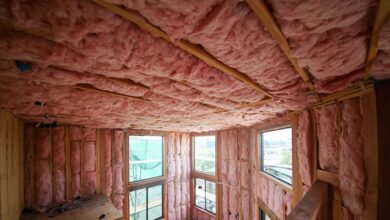
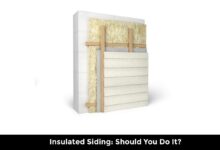
Energy-efficient insulated siding is a modern exterior cladding system that combines traditional siding materials with a continuous layer of rigid foam insulation. Unlike standard siding, which only serves as a protective outer shell, insulated siding actively contributes to a home’s thermal performance by reducing heat transfer between the interior and the outside environment.
How It Works: The Science Behind the Insulation
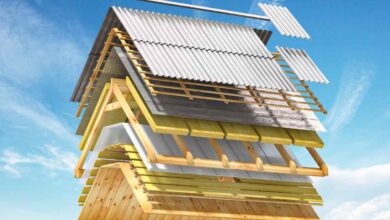
The key to energy-efficient insulated siding lies in its integrated foam backing—typically made from expanded polystyrene (EPS), extruded polystyrene (XPS), or polyisocyanurate. This foam layer is permanently attached to the back of vinyl, fiber cement, or metal panels, creating a seamless thermal barrier.
- Reduces thermal bridging by covering studs and framing gaps
- Improves the overall R-value of the wall system
- Minimizes air infiltration when properly installed
According to the U.S. Department of Energy, adding continuous insulation like that found in insulated siding can significantly improve a building’s energy efficiency compared to cavity-only insulation.
Common Materials Used in Insulated Siding
While vinyl is the most popular choice due to its affordability and low maintenance, energy-efficient insulated siding is available in several material types:
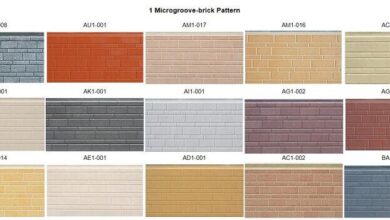
Vinyl Insulated Siding: Lightweight, cost-effective, and available in a wide range of colors and textures.Brands like Mastic by Ply Gem and Alside offer high-performance options.Fiber Cement Insulated Siding: Durable and fire-resistant, often used in high-end homes.James Hardie’s HardieZone line includes climate-specific formulations that pair well with insulation.Metal Insulated Siding: Typically aluminum or steel, ideal for modern designs and extreme weather resistance.
.Often used in commercial and industrial applications but gaining residential traction.”Insulated siding can increase a wall’s thermal resistance by up to 20%, making it one of the most cost-effective envelope upgrades available.” — Building Science Corporation
Top 7 Benefits of Energy-Efficient Insulated Siding
Choosing energy-efficient insulated siding goes beyond aesthetics.It delivers measurable improvements in performance, comfort, and cost savings.Here’s a deep dive into the seven most compelling advantages..
1. Significant Reduction in Energy Bills
One of the most immediate benefits of energy-efficient insulated siding is lower utility costs. By minimizing heat loss in winter and heat gain in summer, homes require less energy to maintain comfortable indoor temperatures.
- Homeowners report average savings of 10–20% on heating and cooling bills
- Reduces strain on HVAC systems, potentially extending their lifespan
- Particularly effective in older homes with inadequate wall insulation
A study by the National Renewable Energy Laboratory (NREL) found that adding continuous insulation to existing walls can reduce energy consumption by up to 23% in cold climates.
2. Enhanced Indoor Comfort and Temperature Stability
Energy-efficient insulated siding helps eliminate cold spots and drafts commonly found near exterior walls. This results in a more consistent indoor temperature throughout the home.
- Fewer hot and cold zones between rooms
- Improved comfort near windows and exterior walls
- Reduces condensation and moisture buildup, which can lead to mold
This thermal stability is especially beneficial in two-story homes or those with large exterior wall surfaces exposed to direct sunlight or wind.
3. Improved Sound Insulation
Beyond thermal performance, insulated siding also acts as a sound barrier. The foam layer absorbs and dampens external noise from traffic, neighbors, or weather.
- Can reduce exterior noise by up to 30%
- Creates a quieter, more peaceful indoor environment
- Particularly valuable in urban or high-traffic areas
For homeowners seeking a tranquil living space, this acoustic benefit is a major plus.
4. Increased Home Resale Value
Energy-efficient upgrades are increasingly attractive to homebuyers. Insulated siding not only improves curb appeal but also signals long-term savings and modern construction standards.
- According to the National Association of Realtors, 68% of buyers consider energy efficiency a top priority
- Can recoup up to 80% of installation cost upon resale
- Enhances marketability in eco-conscious neighborhoods
Unlike purely cosmetic updates, insulated siding offers tangible performance data that can be highlighted during a sale.
5. Superior Durability and Weather Resistance
Energy-efficient insulated siding is engineered to withstand extreme weather conditions. The rigid foam backing adds structural rigidity, reducing warping, buckling, and impact damage.
- Resists hail, wind, and temperature fluctuations
- Less prone to expansion and contraction than standard vinyl
- Protects sheathing and framing from moisture intrusion
Many manufacturers offer lifetime warranties, reflecting confidence in the product’s longevity.
6. Eco-Friendly and Sustainable Choice
By reducing energy consumption, insulated siding lowers a home’s carbon footprint. Additionally, many products are made with recycled materials and are fully recyclable at end-of-life.
- Decreases reliance on fossil fuels for heating and cooling
- Contributes to LEED and ENERGY STAR certification eligibility
- Supports green building initiatives and net-zero energy goals
For environmentally conscious homeowners, this makes insulated siding a responsible long-term investment.
7. Low Maintenance and Easy Installation
Unlike wood or stucco, energy-efficient insulated siding requires minimal upkeep. It doesn’t need painting, sealing, or staining, and resists fading, chipping, and insect damage.
- Easy to clean with a garden hose or pressure washer
- Interlocking panels simplify installation and reduce labor costs
- Can be installed over existing siding in many cases, minimizing waste
Professional installation typically takes 3–7 days, depending on home size and complexity.
How Energy-Efficient Insulated Siding Compares to Traditional Options
Not all siding is created equal. Understanding the differences between insulated siding and conventional alternatives can help homeowners make informed decisions.
Vinyl Siding vs. Insulated Vinyl Siding
Standard vinyl siding provides basic weather protection but offers little insulation value. In contrast, insulated vinyl siding includes a foam layer that significantly improves thermal performance.
- Standard vinyl: R-value of ~0.6
- Insulated vinyl: R-value of 2.0 to 3.5, depending on foam thickness
- Insulated versions are slightly more expensive but pay back over time
The added cost of insulated vinyl is typically 10–20% higher, but the energy savings often offset this within 5–7 years.
Fiber Cement vs. Insulated Fiber Cement
Fiber cement is known for its durability and fire resistance, but like standard vinyl, it lacks inherent insulation. When combined with a foam backing, it becomes a high-performance cladding system.
- Insulated fiber cement offers better thermal bridging control
- Reduces the risk of thermal cracking in extreme climates
- More expensive than standard fiber cement but ideal for premium builds
James Hardie’s Climate Zone-specific products are designed to perform optimally when paired with proper insulation strategies.
Metal Siding with and without Insulation
Metal siding is inherently conductive, meaning it can transfer heat quickly unless insulated. Uninsulated metal siding may lead to condensation and energy loss.
- Insulated metal panels (IMPs) are common in commercial construction
- Residential versions are emerging with integrated foam cores
- Offer superior strength and longevity when properly installed
For modern homes with metal exteriors, adding insulation is not just beneficial—it’s essential for energy efficiency.
Energy Savings and ROI: What the Data Says
Homeowners want to know: does energy-efficient insulated siding really save money? The answer is a resounding yes—backed by research and real-world data.
Case Studies and Real-World Performance
A 2020 field study conducted by the Pacific Northwest National Laboratory (PNNL) monitored 12 homes retrofitted with insulated siding in the Northeastern U.S. Results showed:
- Average heating energy reduction of 17%
- Payback period of 6.2 years based on energy savings
- Improved occupant satisfaction with indoor comfort
Another study in Minnesota found that homes with insulated siding maintained interior temperatures 3–5°F warmer during winter nights compared to similar homes with standard siding.
Calculating Your Potential Savings
To estimate your savings, consider the following factors:
- Current R-value of your walls
- Local climate and heating/cooling degree days
- Size of your home and exposed wall area
- Cost of energy in your region
For example, a 2,000 sq. ft. home in a cold climate spending $1,500 annually on heating could save $150–$300 per year with insulated siding. Over 20 years, that’s $3,000–$6,000 in savings.
Return on Investment (ROI) Analysis
The average cost of insulated siding installation ranges from $8 to $12 per square foot, compared to $6–$8 for standard siding. For a typical home, this translates to a $3,000–$6,000 premium.
Energy-efficient insulated siding – Energy-efficient insulated siding menjadi aspek penting yang dibahas di sini.
- ROI: 70–80% recouped at resale (Remodeling Magazine’s 2023 Cost vs. Value Report)
- Break-even point: 7–10 years based on energy savings
- Additional value from increased comfort and durability
When factoring in non-monetary benefits like noise reduction and improved air quality, the ROI becomes even more compelling.
Installation Best Practices for Maximum Efficiency
Even the best energy-efficient insulated siding won’t perform well if installed incorrectly. Proper installation is critical to achieving optimal thermal performance and longevity.
Choosing the Right Contractor
Not all siding contractors are experienced with insulated systems. Look for:
- Certification from manufacturers (e.g., James Hardie, Alside)
- Experience with air sealing and weather-resistant barriers
- Positive reviews and a portfolio of completed projects
Ask for proof of insurance and check references to ensure quality workmanship.
Air Sealing and Weather Barriers
Insulated siding is only one part of a high-performance wall system. It must be paired with:
- A continuous weather-resistant barrier (WRB) like housewrap
- Proper flashing at windows, doors, and roof junctions
- Air sealing using tapes, gaskets, or liquid-applied sealants
According to the Building Science Corporation, up to 40% of a wall’s energy loss can come from air leakage, not insulation deficiency.
Climate-Specific Considerations
Installation methods vary by climate zone:
- Cold Climates: Focus on minimizing thermal bridging and preventing interior moisture
- Hot-Humid Climates: Prioritize ventilation behind siding to prevent mold
- Wind-Prone Areas: Use reinforced fastening systems and wind-resistant panels
Consult local building codes and manufacturer guidelines to ensure compliance.
Common Myths and Misconceptions About Insulated Siding
Despite its benefits, energy-efficient insulated siding is often misunderstood. Let’s debunk some common myths.
Myth 1: Insulated Siding Is Only for Cold Climates
While it’s true that insulation helps retain heat in winter, it also prevents heat gain in summer. In hot climates, insulated siding keeps homes cooler by blocking solar heat from penetrating walls.
- Reduces cooling load and AC runtime
- Improves comfort during heatwaves
- Especially effective when paired with reflective finishes
Energy-efficient insulated siding is beneficial in all climate zones.
Myth 2: It’s Too Expensive to Be Worth It
While the upfront cost is higher, the long-term savings and added home value make it a smart investment. When factoring in energy savings, maintenance reduction, and resale value, the total cost of ownership is often lower than standard siding.
- Financing options and tax credits can reduce net cost
- Some utility companies offer rebates for energy-efficient upgrades
- Prices have decreased as technology becomes more widespread
Myth 3: It Looks Bulky or Unattractive
Modern insulated siding is designed to be sleek and visually appealing. Manufacturers use precision molding to ensure panels lay flat and mimic the look of wood, stone, or other premium materials.
- Available in a wide range of colors, textures, and profiles
- Can be customized to match architectural styles
- Many homeowners can’t tell the difference from standard siding
With proper installation, insulated siding enhances curb appeal without sacrificing aesthetics.
Future Trends in Energy-Efficient Insulated Siding
The siding industry is evolving rapidly, driven by advances in materials science, sustainability goals, and smart home integration.
Smart Siding and Integrated Technology
Emerging products are incorporating sensors and connectivity to monitor wall performance.
- Moisture sensors detect leaks before damage occurs
- Temperature sensors provide data for HVAC optimization
- Future systems may integrate with home automation platforms
While still in early stages, smart siding could revolutionize how we manage building envelopes.
Sustainable and Recyclable Materials
Manufacturers are investing in bio-based foams, recycled content, and closed-loop production systems.
- Some companies now use 30–50% recycled vinyl
- Research into plant-based insulation alternatives is ongoing
- End-of-life recycling programs are expanding
These innovations will make energy-efficient insulated siding even more eco-friendly in the coming years.
Integration with Net-Zero and Passive House Standards
As building codes tighten, insulated siding is becoming a key component of high-performance homes.
- Helps meet stringent insulation requirements
- Supports airtight construction goals
- Complements solar panels and heat pumps in net-zero designs
For builders aiming for Passive House or ENERGY STAR certification, insulated siding is no longer optional—it’s essential.
Is energy-efficient insulated siding worth the investment?
Yes, for most homeowners. It offers a strong return on investment through energy savings, increased comfort, and higher resale value. While the upfront cost is higher than standard siding, the long-term benefits far outweigh the initial expense, especially in climates with extreme temperatures.
How much can I save on energy bills with insulated siding?
Savings vary by climate, home size, and existing insulation, but most homeowners see a 10–20% reduction in heating and cooling costs. In colder regions, savings can be even higher, especially in older homes with poor wall insulation.
Can I install insulated siding myself?
While DIY installation is possible, it’s not recommended. Proper air sealing, flashing, and alignment are critical for performance. Hiring a certified professional ensures the system works as intended and maintains warranty coverage.
Does insulated siding require special maintenance?
No. One of the advantages of energy-efficient insulated siding is its low maintenance. It doesn’t need painting or sealing and can be cleaned with a hose or pressure washer. Just inspect for damage after severe weather and keep gutters clear.
Is there a tax credit for installing insulated siding?
While there’s no standalone tax credit for siding, insulated siding may qualify for energy efficiency incentives if part of a broader home improvement project. Check the U.S. Department of Energy’s tax credit database for current programs.
Energy-efficient insulated siding is more than just a trendy upgrade—it’s a smart, sustainable solution for modern homes. From slashing energy bills and boosting comfort to increasing durability and resale value, the benefits are clear and backed by data. Whether you’re renovating an older home or building new, this high-performance cladding system offers a powerful return on investment. With proper installation and climate-appropriate design, insulated siding can transform your home’s efficiency, comfort, and curb appeal for decades to come. As building standards evolve and sustainability becomes a priority, energy-efficient insulated siding is poised to become the new standard in residential construction.
Energy-efficient insulated siding – Energy-efficient insulated siding menjadi aspek penting yang dibahas di sini.
Further Reading: