Thinking about upgrading your home’s exterior? Eco-friendly insulated siding might be the smart, sustainable choice you’ve been overlooking. It combines energy efficiency, durability, and environmental responsibility—all in one sleek package.



What Is Eco-friendly Insulated Siding?

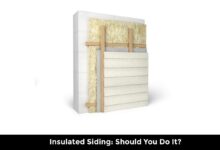
Eco-friendly insulated siding is a modern exterior cladding solution that integrates insulation directly into the siding material, improving thermal performance while being made from sustainable or recycled content. Unlike traditional siding, which often requires separate insulation layers, this innovative product unites structure, insulation, and weather resistance in a single installation.
How It Differs from Traditional Siding
Traditional siding—like vinyl, wood, or fiber cement—typically serves only as a protective outer layer. It may look good, but without added insulation, it does little to regulate indoor temperatures. Eco-friendly insulated siding, on the other hand, includes a rigid foam backing (usually expanded polystyrene or EPS) bonded to the siding panel, significantly reducing heat transfer.
- Traditional siding: Aesthetic + weather protection only
- Insulated siding: Adds thermal resistance (R-value) to the wall assembly
- Eco-friendly version: Uses recycled materials and reduces carbon footprint
Common Materials Used
The most common types of eco-friendly insulated siding are made from recycled vinyl, fiber cement with fly ash, or sustainably harvested wood composites. Some manufacturers use up to 90% recycled content in their vinyl panels. For example, Masonite offers fiber cement siding with fly ash, a byproduct of coal combustion, reducing landfill waste.
- Recycled vinyl with EPS insulation
- Fiber cement with industrial byproducts
- Wood-plastic composites from reclaimed wood
“Insulated siding can improve a wall’s thermal performance by up to 20%, according to the U.S. Department of Energy.”
Environmental Benefits of Eco-friendly Insulated Siding
One of the biggest reasons homeowners and builders are turning to eco-friendly insulated siding is its positive impact on the environment. From reduced energy consumption to lower emissions, this siding option supports a greener future.
Reduction in Carbon Footprint
By improving a home’s insulation, eco-friendly insulated siding reduces the need for heating and cooling, which in turn lowers energy consumption. The U.S. Energy Information Administration reports that residential buildings account for nearly 20% of the nation’s energy use. Better-insulated homes mean fewer fossil fuels burned for HVAC systems.
Additionally, many eco-friendly siding products are manufactured using recycled materials and processes that consume less energy. For instance, using recycled vinyl reduces the need for virgin petroleum-based resins, cutting greenhouse gas emissions by up to 30% compared to new vinyl production.
Use of Recycled and Sustainable Materials
Manufacturers like CertainTeed and Alside have pioneered siding lines that incorporate post-consumer and post-industrial recycled content. CertainTeed’s ColorLast® technology uses a mineral-based pigment system that’s more sustainable than traditional dyes.
- Vinyl siding with 30–90% recycled content
- Fiber cement using fly ash and slag
- Composite siding made from reclaimed wood fibers
Long Lifespan Reduces Waste
Eco-friendly insulated siding typically lasts 40–60 years, far longer than standard vinyl or wood siding. This longevity means fewer replacements, less material in landfills, and reduced manufacturing demand over time. According to the Environmental Protection Agency, construction and demolition debris accounts for over 600 million tons of waste annually in the U.S. Durable siding helps reduce that number.
Energy Efficiency and Cost Savings
One of the most compelling reasons to choose eco-friendly insulated siding is the impact it has on energy bills. Homes lose a significant amount of heat through walls—up to 35%, according to the U.S. Department of Energy. Insulated siding helps combat this.
How It Improves Thermal Performance
The integrated foam layer in insulated siding acts as a continuous insulation barrier, minimizing thermal bridging—the process where heat escapes through studs and framing. This creates a more consistent indoor temperature and reduces strain on HVAC systems.
The R-value (a measure of thermal resistance) of most insulated siding ranges from R-2 to R-5. While this may seem low compared to cavity insulation (R-13 to R-21), it’s an added layer that complements existing wall insulation, boosting overall performance.
Impact on Heating and Cooling Costs
Homeowners who install eco-friendly insulated siding often see a 10–20% reduction in energy bills. A study by the National Association of Home Builders found that insulated siding can save an average of $200–$400 annually in heating and cooling costs, depending on climate and home size.
- Cooler interiors in summer due to reduced solar heat gain
- Warmer walls in winter, minimizing cold spots
- Less reliance on HVAC systems extends equipment life
Long-Term Financial Benefits
While the upfront cost of eco-friendly insulated siding is higher than traditional options—typically $5–$12 per square foot installed—the long-term savings are substantial. Over a 20-year period, energy savings alone can offset the initial investment. Plus, many utility companies and local governments offer rebates for energy-efficient home improvements.
Additionally, homes with energy-efficient features often have higher resale values. The National Association of Realtors reports that 70% of homebuyers consider energy efficiency a top priority when choosing a home.
Top Eco-friendly Insulated Siding Brands and Products
Not all insulated siding is created equal. Some brands go the extra mile in sustainability, durability, and performance. Here are some of the leading eco-friendly options on the market today.
CertainTeed Insulated Siding
CertainTeed is a leader in sustainable building materials. Their Charisma® Insulated Siding line features a high-recycled-content vinyl face and an EPS insulation layer. The company also participates in the U.S. Green Building Council’s LEED program, helping builders earn points for sustainable design.
- R-value: Up to R-2.8
- Recycled content: Up to 30%
- Available in multiple textures and colors
Alside Duration Insulated Siding
Alside’s Duration® line is known for its fade-resistant Kynar paint finish and robust insulation layer. The company emphasizes sustainable manufacturing and offers a limited lifetime warranty. Their insulated siding includes a vented design that promotes airflow behind the panel, reducing moisture buildup.
- R-value: R-2.4
- Energy Star certified
- Ventilated design for moisture control
Masonite Stria Insulated Siding
Masonite’s Stria® insulated siding combines fiber cement durability with a built-in insulation layer. It’s made with fly ash and slag, industrial byproducts that would otherwise end up in landfills. The product is resistant to termites, rot, and fire, making it ideal for diverse climates.
- R-value: R-2.5
- Non-combustible and insect-resistant
- Low-VOC manufacturing process
Installation Process and Best Practices
Proper installation is critical to maximizing the performance of eco-friendly insulated siding. Even the best product can underperform if not installed correctly.
Pre-Installation Considerations
Before installing insulated siding, assess the existing wall structure. Check for moisture damage, inadequate sheathing, or outdated insulation. If the wall sheathing is damaged or missing, it should be replaced with rigid foam or plywood to ensure a solid base.
- Inspect for water intrusion or mold
- Ensure sheathing is flat and secure
- Install a weather-resistant barrier (WRB) like housewrap
Step-by-Step Installation Guide
1. **Install a weather-resistant barrier** – Apply housewrap (e.g., Tyvek) over the sheathing to prevent water infiltration while allowing vapor to escape.
2. **Install starter strips** – These go along the bottom edge to support the first row of siding.
3. **Begin at the bottom** – Snap a level line and install the first panel, ensuring it’s plumb and level.
4. **Interlock panels** – Most insulated siding panels snap together with a tongue-and-groove system. Overlap joints to prevent water entry.
5. **Cut around windows and doors** – Use a circular saw or tin snips for precise cuts. Install J-channels for clean edges.
6. **Ventilation at top and bottom** – Allow airflow behind the siding to prevent moisture buildup, especially in humid climates.
Hiring a Professional vs. DIY
While DIY installation is possible, eco-friendly insulated siding requires precision. Improper alignment or sealing can lead to air leaks, reduced efficiency, and water damage. Hiring a certified installer ensures the product performs as intended and maintains the manufacturer’s warranty.
Look for contractors certified by the Siding Industry Federation or trained by the manufacturer. Ask for references and verify insurance.
Maintenance and Durability
One of the major advantages of eco-friendly insulated siding is its low maintenance requirements and long lifespan. Unlike wood, it doesn’t need painting or sealing, and unlike standard vinyl, it resists warping and fading better due to the insulation layer.
Expected Lifespan and Warranty
Most eco-friendly insulated siding products come with a lifetime limited warranty, covering issues like fading, cracking, and hail damage. The actual lifespan ranges from 40 to 60 years, depending on climate and exposure. Coastal areas with high salt content may require more frequent cleaning to prevent corrosion.
- Lifetime warranties common
- Resistant to UV degradation
- Warranties often include labor and materials
Regular Cleaning and Care
Maintenance is simple: wash the siding annually with a garden hose or pressure washer (on low setting). Use mild detergent if needed. Avoid abrasive cleaners that can damage the surface.
Inspect seams and joints every few years for signs of wear or insect entry. Repair damaged panels promptly to maintain insulation integrity.
Resistance to Weather and Pests
Eco-friendly insulated siding is engineered to withstand extreme weather. Fiber cement and composite options resist fire, wind, and impact. Vinyl with insulation resists warping in high heat. Most products are also termite- and rot-resistant, making them ideal for humid or wooded areas.
Cost Comparison: Eco-friendly vs. Traditional Siding
Understanding the cost differences between eco-friendly insulated siding and traditional options is essential for making an informed decision.
Upfront Costs
Eco-friendly insulated siding typically costs $5–$12 per square foot installed, compared to $3–$7 for standard vinyl siding. Fiber cement insulated siding can go up to $10–$15 per square foot. The higher cost reflects the added insulation layer, durable materials, and manufacturing processes.
- Standard vinyl siding: $3–$7/sq ft
- Eco-friendly insulated vinyl: $5–$12/sq ft
- Fiber cement insulated: $8–$15/sq ft
Long-Term Value and ROI
Despite the higher initial cost, eco-friendly insulated siding offers a strong return on investment (ROI). According to Remodeling Magazine’s Cost vs. Value Report, insulated siding recoups about 80–90% of its cost at resale. In contrast, standard vinyl siding recoups around 70–75%.
Energy savings, durability, and increased home value contribute to this high ROI. Plus, some insurers offer discounts for homes with impact-resistant siding.
Available Rebates and Incentives
Many states and utility companies offer rebates for energy-efficient home improvements. For example, DSIRE (Database of State Incentives for Renewables & Efficiency) lists programs that provide cash back for installing insulated siding. Federal tax credits may also apply if the siding contributes to overall home energy efficiency.
- Check local utility rebate programs
- Look for ENERGY STAR partner incentives
- Some states offer tax deductions for green materials
Common Misconceptions About Eco-friendly Insulated Siding
Despite its benefits, several myths persist about eco-friendly insulated siding. Let’s clear them up.
“It’s Just Like Regular Vinyl Siding”
No. While some eco-friendly insulated siding is made from vinyl, the addition of insulation and recycled content makes it fundamentally different. It performs better thermally, lasts longer, and has a lower environmental impact.
“It Doesn’t Make a Real Difference in Energy Bills”
False. Independent studies and homeowner reports confirm measurable energy savings. The continuous insulation layer reduces air leakage and thermal bridging, which are major contributors to energy loss.
“It’s Too Expensive for the Average Homeowner”
While the upfront cost is higher, financing options, rebates, and long-term savings make it accessible. Many homeowners refinance or use home equity loans to cover the cost, treating it as a long-term investment.
Is eco-friendly insulated siding worth the investment?
Absolutely. It offers energy savings, durability, environmental benefits, and increased home value. Over time, the financial and ecological returns make it a smart choice for most homeowners.
Can insulated siding be installed over existing siding?
Yes, in many cases. If the existing siding is in good condition and flat, insulated siding can be installed over it. However, removing old siding allows for inspection of sheathing and installation of a proper weather barrier, which is recommended for optimal performance.
Does insulated siding require special maintenance?
No. It requires the same basic cleaning as traditional siding—occasional washing with mild detergent. The insulation layer is protected behind the siding, so no additional maintenance is needed.
Is eco-friendly insulated siding recyclable at the end of its life?
Yes, many types are recyclable. Vinyl siding can be processed at specialized recycling centers, and fiber cement can be crushed and reused in new building materials. Check with local recycling facilities for options.
Does it work in all climates?
Yes. Eco-friendly insulated siding performs well in both cold and hot climates. In winter, it reduces heat loss; in summer, it minimizes heat gain. Ventilated designs help manage moisture in humid regions.
Choosing eco-friendly insulated siding is more than a home improvement—it’s a step toward a more sustainable, efficient, and comfortable living space. With proven energy savings, long-term durability, and environmental benefits, it’s a powerful upgrade that pays off in multiple ways. Whether you’re building new or renovating, this innovative siding option delivers real value for your home and the planet.
Further Reading: