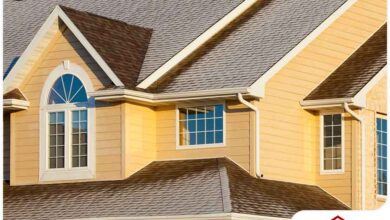
When it comes to protecting your home from the elements while maximizing energy efficiency, durable insulated siding options stand out as a smart, long-term investment. These advanced cladding systems not only shield your walls but also enhance insulation, reduce utility bills, and boost curb appeal—making them a top choice for modern homeowners.


Durable Insulated Siding Options: Why They’re a Game-Changer for Modern Homes

Home exteriors face constant exposure to weather, UV radiation, pests, and temperature fluctuations. Traditional siding often fails to provide adequate protection or energy efficiency. Enter durable insulated siding options—a fusion of structural resilience and thermal performance that redefines exterior wall systems.
What Makes Siding “Insulated” and “Durable”?
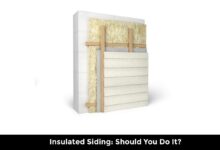
Insulated siding refers to exterior cladding that comes with a layer of rigid foam insulation permanently attached to the back of the siding panel. This integrated insulation—typically made from expanded polystyrene (EPS)—improves the R-value of your home’s walls, reducing heat transfer and improving indoor comfort.
Durability, on the other hand, refers to the material’s ability to withstand physical impact, weather extremes, fading, and moisture damage over decades. When combined, durability and insulation create a high-performance exterior solution that delivers both functional and financial benefits.
Energy Efficiency and Cost Savings
According to the U.S. Department of Energy, up to 40% of a home’s energy loss occurs through the walls. Insulated siding can improve wall R-values by up to R-2 to R-5, depending on the product. This translates into measurable reductions in heating and cooling costs—often between 10% and 20% annually.
- Reduces thermal bridging in wall cavities
- Minimizes air infiltration when properly installed
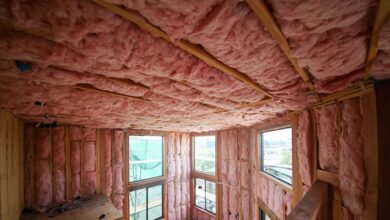
- Complements other insulation like fiberglass or spray foam
“Insulated siding is one of the most cost-effective ways to improve a home’s energy performance without major renovations.” — Energy Star
Increased Home Value and Curb Appeal
Modern insulated siding comes in a wide range of textures, colors, and profiles—mimicking wood, stone, or brick—without the maintenance. Homes with updated, energy-efficient exteriors typically see a 70% to 80% return on investment (ROI) at resale, according to Remodeling Magazine’s Cost vs. Value Report.
Durable insulated siding options enhance visual appeal while signaling to buyers that the home is well-maintained and energy-smart.
Top 7 Durable Insulated Siding Options for Long-Term Performance
Not all insulated siding is created equal. The market offers a variety of materials, each with unique strengths. Below, we break down the seven most reliable and long-lasting durable insulated siding options available today.
1. Insulated Vinyl Siding
Vinyl siding is the most popular exterior cladding in the U.S., and when combined with insulation, it becomes one of the most cost-effective durable insulated siding options. Modern insulated vinyl panels feature a foam backing that improves rigidity and thermal performance.
- Pros: Affordable, low maintenance, wide color selection, easy to install
- Cons: Can crack in extreme cold, may warp under intense heat
- Lifespan: 30–50 years with proper care
Brands like Mastic by Ply Gem and Alside MaxLife offer insulated vinyl with R-values up to R-2.8. These products are engineered to resist hail, wind, and fading, making them ideal for moderate to harsh climates.
2. Insulated Fiber Cement Siding
Fiber cement is a composite material made from cement, sand, and cellulose fibers. When paired with insulation, it becomes one of the most fire-resistant and weatherproof durable insulated siding options on the market.
- Pros: Resists fire, insects, rot, and moisture; lasts 50+ years
- Cons: Heavier than vinyl, requires skilled installation, higher upfront cost
- Lifespan: 50+ years
James Hardie’s HardieZone line includes climate-specific fiber cement siding with optional insulated underlayment. Their products are tested to withstand winds up to 150 mph and resist freeze-thaw cycles, making them ideal for coastal and storm-prone regions. Learn more at James Hardie’s official site.
3. Insulated Metal Siding
Metal siding—typically made from steel or aluminum—is gaining popularity for its industrial strength and sleek aesthetics. Insulated metal panels (IMPs) are commonly used in commercial buildings but are increasingly adopted in high-end residential projects.
- Pros: Extremely durable, fireproof, recyclable, excellent for modern architecture
- Cons: Expensive, can dent if impacted, requires professional installation
- Lifespan: 40–60 years
IMPs often come with polyurethane or polyisocyanurate foam cores, achieving R-values as high as R-7. These panels are seamless in large sections, reducing thermal bridging and air leaks. CECO Building Systems is a leading manufacturer offering energy-efficient insulated metal solutions.
4. Insulated Engineered Wood Siding
Engineered wood siding combines real wood aesthetics with enhanced durability. Products like LP SmartSide feature oriented strand board (OSB) treated with zinc borate for moisture and insect resistance. When paired with a separate insulation layer or integrated foam backing, it becomes a strong contender among durable insulated siding options.
- Pros: Natural wood look, paintable, resistant to termites and fungal decay
- Cons: Requires painting or staining every 5–10 years, can swell if exposed to water
- Lifespan: 30–40 years
LP Building Solutions offers LP SmartSide Trim & Siding with a proprietary SmartGuard technology. While the insulation is typically added separately, the material’s thermal stability makes it compatible with continuous insulation systems. Visit LP Corp for product details.
5. Insulated Stone Veneer and Composite Panels
For homeowners seeking luxury aesthetics with high performance, insulated stone veneer and composite panels offer a premium solution. These systems combine a thin layer of real or manufactured stone with a rigid foam insulation core.
Durable insulated siding options – Durable insulated siding options menjadi aspek penting yang dibahas di sini.
- Pros: Exceptional curb appeal, high R-values, excellent weather resistance
- Cons: Very high cost, complex installation, limited availability
- Lifespan: 50+ years
Brands like Boral Stone Veneer and Cultured Stone offer lightweight stone products that can be integrated with insulation. These are often used as accent walls or full facades in custom homes. Their thermal mass helps stabilize indoor temperatures, especially in regions with large day-night temperature swings.
6. Insulated Stucco Systems (EIFS)
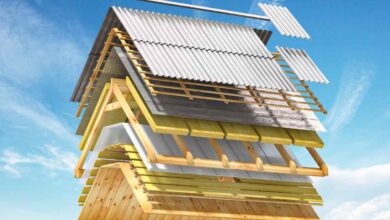
Exterior Insulation and Finish Systems (EIFS) are multi-layer synthetic stucco systems that include a foam insulation board, a base coat with fiberglass mesh, and a textured finish coat. EIFS is one of the most energy-efficient durable insulated siding options, commonly used in commercial and upscale residential buildings.
- Pros: High R-values (R-4 to R-6), seamless appearance, design flexibility
- Cons: Vulnerable to water intrusion if improperly installed, requires skilled labor
- Lifespan: 40–60 years with maintenance
According to the EIFS Industry Members Association (EIMA), modern EIFS includes drainage planes to prevent moisture buildup. When installed correctly, it provides superior thermal performance and durability in dry to moderate climates.
7. Insulated Brick and Masonry Veneer
Brick has long been prized for its longevity and thermal mass. Modern insulated brick systems incorporate a layer of rigid foam insulation behind the brick veneer, creating a high-performance wall assembly.
- Pros: Extremely durable, fireproof, excellent sound insulation, timeless look
- Cons: Very heavy, expensive, long installation time
- Lifespan: 100+ years
While traditional brick is not “siding” in the panel sense, insulated masonry walls are among the most durable and energy-efficient options available. The Brick Industry Association (gobrick.com) highlights that brick’s thermal mass can reduce HVAC loads by stabilizing indoor temperatures.
Key Factors to Consider When Choosing Durable Insulated Siding Options
Selecting the right durable insulated siding options involves more than just aesthetics. Several technical and environmental factors must be evaluated to ensure long-term performance and value.
Climate and Weather Resistance
Your local climate plays a major role in determining the best siding material. For example:
- Cold climates: Prioritize high R-value and resistance to freeze-thaw cycles (e.g., fiber cement, EIFS)
- Hot, sunny regions: Choose UV-resistant materials that won’t fade or warp (e.g., insulated vinyl with fade protection)
- Coastal areas: Opt for corrosion-resistant, salt-air-proof materials like fiber cement or metal
- Storm-prone zones: Select impact-resistant siding rated for high winds and hail (e.g., James Hardie, insulated metal panels)
The National Institute of Building Sciences recommends selecting siding based on regional weather patterns and historical climate data.
Maintenance Requirements
Durability isn’t just about lifespan—it’s also about how much upkeep a material demands. Consider:
- Does it require painting or sealing every few years?
- Is it prone to mold or mildew in humid environments?
- Can it be cleaned with a pressure washer, or does it need gentle washing?
Insulated vinyl and fiber cement are among the lowest-maintenance options, while wood and stucco may require periodic inspections and repairs.
Installation Quality and Professional Expertise
Even the most durable materials can fail if installed incorrectly. Poor flashing, inadequate sealing, or improper nailing can lead to moisture intrusion, warping, or energy loss.
Always hire certified installers with experience in insulated siding systems. For example, the Vinyl Siding Institute offers a certified installer program that ensures proper techniques are followed.
“A perfect product in the hands of an unskilled installer can still result in failure.” — Building Science Corporation
Environmental Impact and Sustainability of Durable Insulated Siding Options
As homeowners become more eco-conscious, the sustainability of building materials is a growing concern. The best durable insulated siding options balance longevity, energy efficiency, and environmental responsibility.
Recyclability and Material Sourcing
Some materials are more sustainable than others:
- Vinyl: Not biodegradable, but increasingly recyclable through manufacturer take-back programs
- Fiber cement: Made from abundant materials, but energy-intensive to produce
- Metal: Highly recyclable (up to 80% recycled content in some products)
- Wood: Renewable if sourced from sustainably managed forests (look for FSC certification)
Manufacturers like James Hardie and LP are investing in greener production methods and reduced carbon footprints.
Energy Efficiency and Carbon Footprint Reduction
Insulated siding directly contributes to lower energy consumption, which reduces greenhouse gas emissions. A study by the National Renewable Energy Laboratory (NREL) found that homes with insulated siding used 15% less energy for heating and cooling compared to those with standard siding.
Over a 30-year lifespan, this can prevent several tons of CO2 emissions—equivalent to planting hundreds of trees.
Durable insulated siding options – Durable insulated siding options menjadi aspek penting yang dibahas di sini.
Lifecycle Analysis: Which Siding Lasts the Longest?
When evaluating sustainability, consider the full lifecycle:
- How often will it need replacement?
- What are the disposal costs and environmental impact?
- Does it require frequent refinishing or repairs?
Brick and fiber cement have the longest lifespans, reducing the need for replacement and resource consumption over time.
Cost Comparison of Durable Insulated Siding Options
Understanding the financial implications of your siding choice is crucial. Below is a breakdown of average costs for durable insulated siding options, including materials and installation.
Price Per Square Foot (Installed)
- Insulated Vinyl: $7–$10
- Insulated Fiber Cement: $10–$14
- Insulated Metal Panels: $12–$20
- Engineered Wood with Insulation: $9–$13
- EIFS (Insulated Stucco): $10–$15
- Insulated Stone Veneer: $15–$30
- Insulated Brick Veneer: $20–$35
While upfront costs vary, long-term savings from energy efficiency and reduced maintenance can offset higher initial investments.
Return on Investment (ROI)
According to Remodeling Magazine’s 2023 report, the average ROI for siding replacement projects is 78.2%. Insulated siding often exceeds this due to energy savings.
- Insulated vinyl: 75–80% ROI
- Fiber cement: 70–75% ROI
- Metal and stone: 60–70% ROI (higher initial cost affects payback)
Energy-efficient upgrades may also qualify for federal tax credits or utility rebates under the Inflation Reduction Act.
Hidden Costs to Watch For
Be aware of potential additional expenses:
- Removal of old siding
- Repair of damaged sheathing or framing
- Upgraded insulation or housewrap
- Permits and inspections
- Specialty trim or corner pieces
Always request a detailed quote from multiple contractors to avoid surprises.
Installation Best Practices for Maximum Durability
Even the best durable insulated siding options can underperform if not installed correctly. Follow these best practices to ensure longevity and performance.
Proper Housewrap and Weather Barriers
Before installing siding, a high-quality weather-resistant barrier (WRB) like Tyvek or Typar should be applied over the sheathing. This prevents air and moisture infiltration while allowing vapor to escape.
- Use breathable housewrap in humid climates
- Ensure all seams are taped and sealed
- Install kick-out flashing at roof-to-wall junctions
Flashing and Water Management
Flashing is critical around windows, doors, and roof intersections. Improper flashing is the leading cause of water damage in siding systems.
- Use step flashing for windows and doors
- Install Z-flashing above windows and under sills
- Use pan flashing for sliding doors
The Building Science Corporation emphasizes that “water management is more important than insulation in wall design.”
Nailing and Expansion Gaps
Insulated siding must be nailed correctly to allow for thermal expansion and contraction.
- Nail at the center of the nailing hem
- Leave a 1/32” gap between panels
- Do not overdrive nails—they should be flush, not tight
Vinyl siding, in particular, expands significantly in heat and contracts in cold. Improper nailing can lead to buckling or warping.
Maintenance Tips to Extend the Life of Your Insulated Siding
Regular maintenance ensures your durable insulated siding options perform optimally for decades.
Annual Cleaning and Inspection
Wash siding annually with a mild detergent and garden hose. For tougher grime, use a soft-bristle brush or low-pressure washer (under 1,500 PSI).
- Inspect for cracks, warping, or insect damage
- Check caulking around windows and doors
- Look for signs of moisture behind siding
Addressing Damage Promptly
Small issues can escalate if ignored. Replace damaged panels immediately to prevent water intrusion.
Durable insulated siding options – Durable insulated siding options menjadi aspek penting yang dibahas di sini.
- Vinyl: Snap out and replace individual planks
- Fiber cement: Cut out damaged section and install new piece
- Metal: Patch small dents or replace panels
Preventing Mold and Mildew
In humid climates, mold can grow on shaded or poorly ventilated walls.
- Use mold-resistant housewrap
- Ensure proper attic and soffit ventilation
- Clean with a solution of water and white vinegar or mild bleach (1:3 ratio)
Future Trends in Durable Insulated Siding Options
The siding industry is evolving rapidly, driven by advances in materials science, energy codes, and consumer demand for sustainability.
Smart Siding and Integrated Technology
Emerging products include siding with embedded sensors to monitor moisture, temperature, and structural integrity. Some manufacturers are experimenting with photovoltaic siding that generates solar power.
- Tesla’s Solar Roof is a precursor to energy-generating cladding
- Researchers are developing self-healing coatings for micro-cracks
Improved Insulation Materials
Next-generation foams with higher R-values and lower global warming potential (GWP) are being developed. Aerogel and vacuum insulation panels (VIPs) may soon be integrated into siding systems.
Net-Zero and Passive House Compatibility
As building codes push toward net-zero energy, durable insulated siding options will play a crucial role in meeting stringent thermal performance standards. Passive House Institute-certified homes already require high-performance wall assemblies with minimal thermal bridging.
What are the most durable insulated siding options?
The most durable insulated siding options include fiber cement, insulated metal panels, and brick veneer with insulation. These materials offer lifespans of 50 years or more and resist fire, moisture, and impact damage.
Does insulated siding really save energy?
Yes, insulated siding can reduce energy loss through walls by 10% to 20%, according to the U.S. Department of Energy. It improves R-values, reduces thermal bridging, and enhances overall home comfort.
Is insulated vinyl siding worth the investment?
Insulated vinyl siding is a cost-effective choice that offers improved durability and energy efficiency over standard vinyl. With a lifespan of 30–50 years and low maintenance, it provides strong long-term value.
Can I install insulated siding myself?
While DIY installation is possible for vinyl siding, insulated systems—especially fiber cement, metal, or EIFS—require professional expertise to ensure proper flashing, sealing, and nailing. Incorrect installation can lead to moisture damage and void warranties.
How do I choose the right insulated siding for my climate?
Consider your regional weather: fiber cement for storms, insulated vinyl for moderate climates, metal for fire-prone areas, and EIFS for dry, hot regions. Always consult local building codes and climate zone recommendations.
Choosing the right durable insulated siding options is a decision that impacts your home’s comfort, efficiency, and value for decades. From energy savings and weather resistance to curb appeal and sustainability, these advanced cladding systems offer a powerful combination of benefits. By understanding the top materials, installation best practices, and long-term costs, homeowners can make informed choices that protect their investment and enhance their living environment. Whether you prioritize affordability, longevity, or eco-friendliness, there’s a durable insulated siding solution tailored to your needs.
Durable insulated siding options – Durable insulated siding options menjadi aspek penting yang dibahas di sini.
Recommended for you 👇
Further Reading: