Choosing the best siding for home insulation isn’t just about curb appeal—it’s about comfort, energy efficiency, and long-term savings. With so many materials on the market, finding the right balance of durability, thermal performance, and cost can feel overwhelming. Let’s break down the top options that deliver real results.


Why the Best Siding for Home Insulation Matters

Home insulation isn’t just about what’s inside your walls—your exterior siding plays a crucial role in maintaining indoor temperatures and reducing energy bills. The best siding for home insulation acts as a protective barrier against heat transfer, moisture, and air infiltration. In fact, according to the U.S. Department of Energy, up to 40% of a home’s energy loss occurs through poorly insulated walls.
How Siding Impacts Energy Efficiency
Siding materials vary widely in their ability to resist thermal transfer. Some, like fiber cement and insulated vinyl, offer built-in thermal resistance, while others rely on additional insulation layers. The R-value—a measure of thermal resistance—is a key factor. Higher R-values mean better insulation performance.
- Thermal bridging: Some materials conduct heat more easily, reducing overall efficiency.
- Air sealing: Gaps and seams in siding can allow air leaks, undermining insulation efforts.
- Moisture resistance: Wet insulation loses effectiveness, so siding that prevents water intrusion is essential.
Long-Term Cost vs. Upfront Investment
While premium siding options like insulated vinyl or fiber cement may cost more upfront, they often pay for themselves through reduced heating and cooling costs. A study by the National Renewable Energy Laboratory found that homes with high-performance siding and proper insulation can save up to 30% on annual energy bills.
“The right siding doesn’t just protect your home—it transforms it into a high-efficiency living space.” — Energy Efficiency Expert, Dr. Linda Chen
1. Insulated Vinyl Siding: The Smart Upgrade
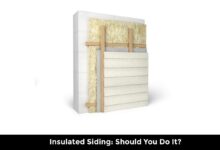
When people think of vinyl siding, they often picture basic, low-cost panels. But insulated vinyl takes it to the next level. It combines traditional vinyl with a rigid foam backing, significantly boosting its insulating power. This makes it one of the best siding for home insulation options available today.
Best siding for home insulation – Best siding for home insulation menjadi aspek penting yang dibahas di sini.
What Makes Insulated Vinyl Stand Out?
Unlike standard vinyl, insulated vinyl has a layer of expanded polystyrene (EPS) foam permanently attached to the back. This foam layer increases the R-value from around R-0.6 (standard vinyl) to R-2.5 or higher, depending on thickness.
- Improved R-value without adding wall thickness
- Reduces air infiltration by up to 30%
- Resists warping and fading better than non-insulated versions
Pros and Cons of Insulated Vinyl
Like any material, insulated vinyl has trade-offs. Understanding them helps you decide if it’s right for your climate and budget.
- Pros: Affordable, low maintenance, wide range of colors and styles, DIY-friendly installation
- Cons: Can crack in extreme cold, limited R-value compared to other premium options, lower fire resistance
For homeowners in moderate climates, insulated vinyl offers an excellent balance of performance and cost. In colder regions, it should be paired with additional wall insulation for optimal results.
2. Fiber Cement Siding: Durability Meets Insulation
Fiber cement is one of the most popular choices for the best siding for home insulation due to its resilience and compatibility with insulation systems. Brands like James Hardie have made it a go-to for modern homes seeking both style and substance.
Composition and Insulating Properties
Fiber cement is made from cellulose fibers, sand, and cement. While the material itself has a low R-value (around R-0.5), its real strength lies in how it integrates with insulation. It’s often installed over a layer of rigid foam board or house wrap, creating a high-performance thermal envelope.
Best siding for home insulation – Best siding for home insulation menjadi aspek penting yang dibahas di sini.
- Non-combustible and resistant to termites and rot
- Can be installed with continuous insulation (CI) for maximum efficiency
- Available in lap, shingle, and panel styles
Installation and Maintenance Considerations
Professional installation is highly recommended due to the material’s weight and cutting requirements. Once installed, fiber cement requires minimal maintenance—just occasional cleaning and repainting every 10–15 years.
“Fiber cement siding, when paired with proper insulation, can reduce thermal bridging by over 50%.” — Building Science Corporation
Its longevity—often 25–50 years—makes it a smart investment for energy-conscious homeowners.
3. Engineered Wood Siding: Natural Look, Enhanced Performance
For those who love the warmth of real wood but want better insulation and durability, engineered wood siding is a compelling option. It’s designed to mimic the appearance of cedar or redwood while offering superior moisture resistance and thermal performance.
How Engineered Wood Improves Insulation
Unlike solid wood, engineered wood is made from wood fibers and resins, compressed under high pressure. This process creates a denser, more stable material that resists warping and swelling. When installed with a rainscreen system and insulation layer, it becomes part of a high-efficiency wall assembly.
- Higher density improves thermal mass
- Compatible with exterior insulation and finish systems (EIFS)
- Can achieve R-values of R-5 or more when combined with insulation
Top Brands and Longevity
Leading brands like LP SmartSide and CertainTeed offer factory-primed, pre-finished options that reduce on-site labor and improve weather resistance. With proper maintenance, engineered wood siding can last 20–30 years.
Best siding for home insulation – Best siding for home insulation menjadi aspek penting yang dibahas di sini.
However, it’s crucial to follow manufacturer guidelines for installation, especially regarding gaps and flashing, to prevent moisture issues. When done right, it’s one of the best siding for home insulation choices for traditional and modern farmhouse styles.
4. Metal Siding: Strength and Thermal Efficiency
Metal siding—particularly steel and aluminum—is gaining popularity for its durability and sleek, modern look. While metal itself is a poor insulator, it can be part of a high-performance system when combined with insulation layers.
Insulated Metal Panels (IMPs): The Game Changer
Insulated metal panels consist of two metal skins with a foam core (usually polyurethane or polyisocyanurate). These panels offer R-values ranging from R-4 to R-6 per inch, making them one of the most thermally efficient siding options available.
- Excellent for both residential and commercial applications
- Fast installation with large panel coverage
- Highly resistant to fire, pests, and impact
According to the Metal Construction Association, IMPs can reduce energy consumption by up to 40% compared to traditional siding systems.
Considerations for Residential Use
While IMPs are common in commercial buildings, they’re increasingly used in modern homes. However, they require professional installation and can be more expensive than other options. They’re ideal for contemporary designs and homes in extreme climates where energy efficiency is critical.
Best siding for home insulation – Best siding for home insulation menjadi aspek penting yang dibahas di sini.
Noise can be a concern with metal siding, but the foam core in IMPs helps dampen sound. Additionally, modern coatings prevent rust and fading, ensuring long-term performance.
5. Stucco and EIFS: Classic Look, Modern Insulation
Stucco has been used for centuries, but modern versions—especially Exterior Insulation and Finish Systems (EIFS)—have transformed it into a top contender for the best siding for home insulation.
How EIFS Works for Insulation
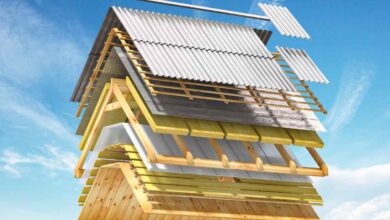
EIFS is a multi-layer system that includes a foam insulation board (usually polystyrene), a base coat, reinforcing mesh, and a finish coat. This setup creates a continuous insulation layer across the entire wall, minimizing thermal bridging.
- Can achieve R-values of R-5 to R-10 depending on foam thickness
- Seamless appearance with no joints or gaps
- Lightweight and versatile for complex architectural designs
The EIFS Industry Members Association reports that homes with EIFS can see up to 35% reduction in heating and cooling costs.
Potential Drawbacks and Solutions
Traditional stucco can crack and allow water intrusion if not properly maintained. EIFS, while more advanced, has faced criticism in the past for moisture trapping if installed incorrectly. However, modern drainage EIFS systems include a water-resistive barrier and drainage plane, solving this issue.
Best siding for home insulation – Best siding for home insulation menjadi aspek penting yang dibahas di sini.
“When installed correctly, EIFS is one of the most energy-efficient cladding systems available.” — Architectural Consultant, Mark Reynolds
For homeowners in dry or temperate climates, EIFS offers an elegant, high-performance solution.
6. Brick and Stone Veneer: Timeless Beauty with Thermal Mass
Brick and stone veneer aren’t just for curb appeal—they contribute to thermal performance through thermal mass. While they don’t have high R-values, they absorb and slowly release heat, helping to stabilize indoor temperatures.
Thermal Mass vs. Insulation: What’s the Difference?
Unlike materials that resist heat flow (insulation), thermal mass materials like brick store heat. During the day, they absorb solar energy; at night, they release it. This is especially effective in climates with large day-night temperature swings.
- Brick has an R-value of about R-0.2 per inch, but its thermal mass adds effective performance
- Best paired with cavity insulation for maximum efficiency
- Stone veneer, being thinner, has less mass but still contributes to stability
Installation Best Practices
To maximize energy efficiency, brick and stone veneer should be installed with a ventilated air gap and insulation layer behind the wall. This setup prevents moisture buildup and enhances thermal performance.
While more expensive and labor-intensive, brick and stone offer unmatched durability—often lasting over 100 years. For homeowners planning to stay long-term, they’re a wise investment in both value and comfort.
Best siding for home insulation – Best siding for home insulation menjadi aspek penting yang dibahas di sini.
7. Sustainable and Emerging Siding Options
As green building gains momentum, new siding materials are emerging that combine eco-friendliness with high insulation performance. These options are redefining what the best siding for home insulation can be.
Bamboo and Recycled Composite Siding
Bamboo is a rapidly renewable resource that’s being used in composite siding products. These materials often blend bamboo fibers with recycled plastics or resins, creating durable, low-maintenance panels with moderate insulation properties.
- Sustainable sourcing reduces environmental impact
- Some products offer R-values comparable to engineered wood
- Resistant to pests and moisture
Companies like Green Building Advisor highlight bamboo composites as promising for eco-conscious builders.
Insulating Concrete Forms (ICFs) and Siding Integration
While not siding in the traditional sense, ICFs are worth mentioning. These forms are filled with concrete and left in place, acting as both structure and insulation. They can be finished with various siding materials, but the core system provides R-values of R-20 to R-25.
For new construction, ICFs offer unparalleled energy efficiency. When combined with a durable siding like fiber cement or stucco, they create a nearly airtight, highly insulated envelope.
Best siding for home insulation – Best siding for home insulation menjadi aspek penting yang dibahas di sini.
How to Choose the Best Siding for Home Insulation
Selecting the right siding involves more than just comparing R-values. You need to consider climate, budget, home style, and long-term goals. Here’s a step-by-step guide to help you make the best decision.
Step 1: Assess Your Climate Zone
The best siding for home insulation varies by region. In cold climates, prioritize high R-values and air sealing. In hot, humid areas, focus on moisture resistance and reflective surfaces. The U.S. Department of Energy divides the country into eight climate zones, each with specific insulation recommendations.
- Zones 1–3 (Hot): Light-colored siding to reflect heat
- Zones 4–6 (Mixed): Balanced insulation and moisture control
- Zones 7–8 (Cold): High R-value materials with continuous insulation
Step 2: Evaluate Your Budget and ROI
While some materials cost more upfront, they offer better long-term savings. Use the following rough cost-per-square-foot estimates (installed):
- Insulated Vinyl: $7–$10
- Fiber Cement: $10–$15
- Engineered Wood: $8–$12
- Metal (IMPs): $12–$20
- EIFS: $9–$14
- Brick Veneer: $15–$25
According to Remodeling Magazine’s Cost vs. Value Report, fiber cement and insulated vinyl offer the highest return on investment (ROI) for siding upgrades.
Step 3: Consider Maintenance and Lifespan
Low-maintenance options like vinyl, fiber cement, and metal are ideal for busy homeowners. Wood and stucco require more upkeep but offer unique aesthetics. Consider how much time and money you’re willing to invest over the next 20–30 years.
Best siding for home insulation – Best siding for home insulation menjadi aspek penting yang dibahas di sini.
What is the best siding for home insulation in cold climates?
For cold climates, insulated metal panels (IMPs) and fiber cement with continuous insulation are top choices. Both offer high R-values and excellent air sealing. Insulated vinyl is also a cost-effective option when paired with additional wall insulation.
Does siding really improve home insulation?
Yes, but only when the siding is part of a complete wall system. Siding alone won’t insulate; it must work with sheathing, insulation, and air barriers. The best siding for home insulation enhances the overall thermal performance of the wall assembly.
Can I install new siding over old insulation?
Best siding for home insulation – Best siding for home insulation menjadi aspek penting yang dibahas di sini.
In many cases, yes. However, it’s crucial to inspect the existing wall for moisture damage, mold, or outdated insulation. A professional assessment is recommended before adding new siding. In some cases, removing old siding allows for upgrading insulation, which can significantly improve efficiency.
How much can I save on energy bills with better siding?
Homeowners can save 10% to 30% on heating and cooling costs by upgrading to high-performance siding and proper insulation. The exact savings depend on climate, home size, and the efficiency of the existing envelope.
Is insulated vinyl worth the extra cost?
For most homeowners, yes. Insulated vinyl costs about 10–20% more than standard vinyl but provides measurable improvements in comfort and energy efficiency. It also reduces outside noise and increases the durability of the siding.
Choosing the best siding for home insulation is a decision that impacts your comfort, energy bills, and home value for decades. From insulated vinyl and fiber cement to advanced systems like EIFS and IMPs, the right choice depends on your climate, budget, and long-term goals. By understanding the thermal performance, durability, and installation requirements of each option, you can make an informed decision that transforms your home into a high-efficiency sanctuary. Don’t just cover your walls—insulate them wisely.
Recommended for you 👇
Further Reading: