Choosing the best siding for cold climates isn’t just about curb appeal—it’s about survival. Harsh winters, freezing temperatures, snow, ice, and moisture demand a siding that’s tough, insulated, and built to last. Let’s explore the top materials that stand strong against the cold.


Why Choosing the Best Siding for Cold Climates Matters

In regions where temperatures regularly dip below freezing, the siding on your home does more than just look good—it acts as the first line of defense against extreme weather. The right siding can reduce energy costs, prevent moisture damage, and maintain structural integrity over decades. In cold climates, poor siding choices can lead to ice dams, rot, mold, and skyrocketing heating bills.
Impact of Cold Weather on Building Materials
Cold climates subject building materials to intense stress. Repeated freeze-thaw cycles cause expansion and contraction, which can crack or warp siding over time. Materials that aren’t designed for these conditions may degrade quickly, leading to costly repairs.
- Wood can absorb moisture and crack when frozen.
- Metal may corrode or suffer from thermal fatigue.
- Poorly installed vinyl can become brittle and shatter in subzero temps.
“In northern climates, siding isn’t just cosmetic—it’s a critical component of a home’s thermal envelope.” — Energy Vanguard, energyvanguard.com
Energy Efficiency and Insulation Needs
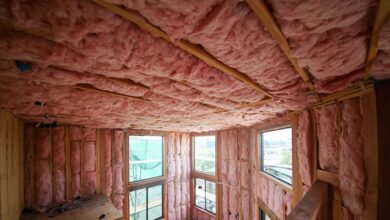
The best siding for cold climates doesn’t just resist the cold—it helps retain heat. Homes in cold regions benefit greatly from siding with built-in insulation or compatibility with exterior insulation systems. Materials like insulated vinyl or fiber cement with thermal backing can significantly reduce heat loss.
- Insulated siding can improve energy efficiency by up to 20% (U.S. Department of Energy).
- Thermal bridging through walls is reduced when siding includes continuous insulation.
- Properly sealed joints prevent drafts and cold air infiltration.
Moisture and Ice Dam Prevention
One of the biggest threats in cold climates is moisture buildup from snow and ice dams. The best siding for cold climates must be water-resistant and installed with proper flashing and drainage planes. Materials that resist water absorption and allow walls to breathe are essential.
- Siding should be installed with a rainscreen gap to allow moisture to escape.
- Ice dams form when heat escapes through the roof, melting snow that refreezes at the eaves—proper siding and insulation help prevent this.
- Vapor-permeable weather barriers behind siding reduce the risk of trapped moisture.
Top 7 Best Siding Options for Cold Climates
Not all siding materials are created equal when facing freezing temperatures and heavy snowfall. Below are the seven best siding choices for cold climates, evaluated for durability, insulation, maintenance, and cost-effectiveness.
1. Fiber Cement Siding
Fiber cement is one of the best siding for cold climates due to its exceptional durability and resistance to moisture, rot, and insects. Brands like James Hardie have engineered their products specifically for extreme weather conditions.
- Resists cracking and warping in freeze-thaw cycles.
- Non-combustible and mold-resistant.
- Can be installed with insulated underlayment for added thermal performance.
While fiber cement is heavy and requires professional installation, its lifespan of 50+ years makes it a top contender. It’s also available in styles that mimic wood, stucco, or stone, offering aesthetic flexibility. Learn more at jameshardie.com.
2. Insulated Vinyl Siding
Modern insulated vinyl siding has evolved into one of the best siding for cold climates. Unlike traditional vinyl, which can become brittle in extreme cold, insulated vinyl includes a foam backing that improves R-value and impact resistance.
Best siding for cold climates – Best siding for cold climates menjadi aspek penting yang dibahas di sini.
- Up to 20% better energy efficiency compared to standard vinyl.
- Resists cracking down to -30°F when properly installed.
- Low maintenance and available in a wide range of colors and textures.
Brands like Mastic by Ply Gem and Alside offer insulated vinyl with lifetime warranties. However, quality varies—opt for thicker panels (at least 0.044 inches) and proper nailing techniques to prevent buckling. Visit plygem.com for product details.
3. Engineered Wood Siding
Engineered wood, such as LP SmartSide, combines the beauty of real wood with enhanced durability. It’s treated to resist moisture, insects, and freeze-thaw damage, making it a strong candidate for the best siding for cold climates.
- Factory-applied sealants protect against water absorption.
- More dimensionally stable than natural wood.
- Can be painted or stained for custom finishes.
While it requires periodic painting, LP SmartSide comes with a 50-year limited warranty and performs well in northern U.S. and Canadian climates. Proper installation with flashing and overhangs is critical. Explore options at lpcorp.com.
4. Metal Siding (Steel and Aluminum)
Metal siding, particularly steel, is gaining popularity as a top-tier choice for the best siding for cold climates. It’s incredibly durable, fire-resistant, and can withstand heavy snow loads and high winds.
- Galvalume-coated steel resists corrosion and rust.
- Can be insulated with rigid foam boards behind panels.
- Lifespan exceeds 50 years with minimal maintenance.
Standing seam metal panels are especially effective in snowy regions, as their smooth surface allows snow to slide off easily. However, thermal expansion must be accounted for during installation. Check out metalroofingsystems.com for cold-climate solutions.
5. Brick and Stone Veneer
Brick and manufactured stone veneer offer unmatched thermal mass, making them excellent for cold climates. These materials absorb heat during the day and release it slowly at night, helping stabilize indoor temperatures.
- Extremely durable and resistant to weather extremes.
- Requires a proper moisture barrier and weep system.
- High upfront cost but minimal long-term maintenance.
While heavy and labor-intensive to install, brick and stone are among the longest-lasting siding options. They also increase home value significantly. For design inspiration, visit beldenbricks.com.
6. Stucco (EIFS and Traditional)
Exterior Insulation and Finish System (EIFS) stucco is a high-performance option for cold climates. It combines a layer of rigid insulation with a textured finish coat, providing both protection and energy efficiency.
- EIFS can achieve R-values of up to R-10 when properly installed.
- Seamless finish reduces air infiltration.
- Must be installed by certified professionals to avoid moisture trapping.
Traditional stucco is less insulating but still durable. The key is proper drainage and flashing. Avoid EIFS on homes with high moisture exposure unless designed correctly. Learn more at dryvit.com.
Best siding for cold climates – Best siding for cold climates menjadi aspek penting yang dibahas di sini.
7. Cedar Shake and Log Siding
Natural wood, especially western red cedar, is a classic choice for rustic homes in cold regions. When properly maintained, cedar offers natural insulation and aesthetic warmth.
- High R-value due to wood’s natural insulating properties.
- Must be sealed, stained, and maintained every 3–5 years.
- Vulnerable to rot if not installed with proper ventilation.
While beautiful, cedar is not the lowest-maintenance option. However, in dry cold climates (like the Rockies), it performs exceptionally well. Use only kiln-dried, sustainably harvested cedar. See cedarbreed.com for premium options.
Key Factors to Consider When Choosing the Best Siding for Cold Climates
Selecting the best siding for cold climates involves more than just material choice. Installation, climate zone, home design, and long-term costs all play critical roles.
Climate Zone and Regional Weather Patterns
The USDA and International Energy Conservation Code (IECC) divide the U.S. into climate zones. Zones 5–8 are considered cold to very cold. Siding must be rated for these zones.
- Zone 7 (e.g., Minnesota, North Dakota) requires high R-value and freeze-thaw resistance.
- Coastal cold zones (e.g., Maine) need corrosion-resistant materials.
- Mountainous areas face heavy snow loads—siding must support weight and allow snow shedding.
Always consult local building codes and climate data before selecting a material.
Installation Quality and Professional Expertise
Even the best siding for cold climates will fail if installed incorrectly. Proper flashing, sealing, and drainage are non-negotiable.
- Use a rainscreen system to create an air gap behind siding.
- Install starter strips and J-channels correctly to prevent water intrusion.
- Hire contractors certified by the manufacturer (e.g., James Hardie Preferred Contractor Network).
“A perfect material with poor installation is a guaranteed failure.” — Building Science Corporation, buildingscience.com
Lifetime Cost vs. Upfront Investment
While some materials have high initial costs (e.g., brick, metal), their longevity often makes them more economical over time. Conversely, cheaper options like basic vinyl may need replacement in 20–30 years.
- Calculate cost per year of lifespan (e.g., $10,000 for 50 years = $200/year).
- Factor in maintenance, paint, and energy savings.
- Insulated siding may qualify for energy tax credits (check IRS Form 5695).
Performance Comparison: Best Siding for Cold Climates
To help you decide, here’s a side-by-side comparison of the top siding materials based on key performance metrics in cold environments.
Durability and Longevity
Durability is paramount in cold climates where materials face constant stress.
Best siding for cold climates – Best siding for cold climates menjadi aspek penting yang dibahas di sini.
- Fiber Cement: 50+ years, minimal degradation.
- Insulated Vinyl: 30–40 years, depends on quality.
- Metal: 50+ years, especially steel.
- Brick: 100+ years with proper maintenance.
- Cedar: 25–40 years with regular upkeep.
Insulation and Energy Efficiency
Thermal performance directly impacts heating costs.
- EIFS Stucco: R-5 to R-10 (highest).
- Insulated Vinyl: R-2 to R-5.
- Fiber Cement: R-1 to R-2 (can be boosted with insulation).
- Metal: R-0.5 (requires added insulation).
- Wood: R-1.4 per inch (cedar is naturally insulating).
Maintenance Requirements
In cold climates, maintenance access can be limited during winter months.
- Brick/Stone: Virtually maintenance-free.
- Metal: Occasional cleaning and inspection for dents.
- Fiber Cement: Repaint every 10–15 years.
- Engineered Wood: Repaint every 7–10 years.
- Cedar: Stain/seal every 3–5 years.
Common Installation Mistakes to Avoid in Cold Climates
Even the best siding for cold climates can fail due to poor installation practices. Avoid these common pitfalls.
Skipping the Weather-Resistive Barrier (WRB)
Some contractors install siding directly over sheathing, skipping the WRB. This is a recipe for moisture intrusion and rot.
- Always use a breathable housewrap like Tyvek or a fluid-applied barrier.
- Ensure all seams are taped and windows are properly flashed.
Improper Flashing Around Openings
Windows, doors, and roof intersections are weak points. Improper flashing leads to leaks and ice dams.
- Use step flashing and pan flashing for windows.
- Install head flashing above doors and windows.
- Extend flashing into the WRB for a continuous drainage plane.
Ignoring Thermal Expansion and Contraction
Materials like vinyl and metal expand and contract with temperature changes. Not accounting for this causes buckling or warping.
- Leave proper expansion gaps (per manufacturer specs).
- Use the correct nailing pattern—never overfasten.
- Allow panels to “float” in tracks to accommodate movement.
How to Maintain Siding in Cold Climates
Maintenance extends the life of any siding, especially in harsh conditions. A proactive approach prevents costly repairs.
Seasonal Inspection Checklist
Perform inspections in spring and fall to catch issues early.
- Check for cracks, warping, or loose panels.
- Look for signs of moisture behind siding (blistering paint, mold).
- Clear debris from siding joints and weep holes.
- Inspect caulking around windows and doors.
Cleaning and Repair Tips
Keep siding clean to maintain appearance and performance.
Best siding for cold climates – Best siding for cold climates menjadi aspek penting yang dibahas di sini.
- Use a soft brush and mild detergent—avoid pressure washing on wood or fiber cement.
- Repair small cracks in stucco or fiber cement with compatible patching compound.
- Replace damaged vinyl panels with exact matches to avoid color variation.
When to Call a Professional
Some issues require expert attention.
- Extensive water damage or rot behind siding.
- Large sections of failed stucco or EIFS.
- Structural concerns due to ice dams or snow load.
Future-Proofing Your Home with the Best Siding for Cold Climates
As climate change brings more extreme weather, choosing siding that can adapt is crucial. The best siding for cold climates today must also be resilient to temperature swings, increased precipitation, and longer winters in some regions.
Emerging Trends in Cold-Climate Siding
New technologies are improving performance and sustainability.
- Smart siding with integrated sensors to detect moisture or temperature changes.
- Recycled composite materials that combine wood fibers and plastic for durability.
- Photovoltaic siding that generates solar power (e.g., Tesla Solar Roof, though not yet mainstream).
Sustainability and Eco-Friendly Options
Homeowners are increasingly prioritizing green materials.
- Fiber cement made with recycled content.
- Wood from FSC-certified forests.
- Recyclable metal siding at end of life.
- Low-VOC paints and sealants for wood and engineered products.
Resale Value and Curb Appeal
The best siding for cold climates not only protects but also enhances home value.
- Brick and fiber cement offer the highest ROI (up to 80% recouped at resale).
- Neutral colors like gray, beige, and white appeal to broader markets.
- Modern profiles (e.g., vertical siding, board-and-batten) increase aesthetic appeal.
What is the most durable siding for cold climates?
Brick and fiber cement are the most durable, with lifespans exceeding 50 years. Metal siding, particularly steel, also offers exceptional longevity and resistance to extreme weather.
Does insulated vinyl siding really save energy?
Yes. Insulated vinyl siding can reduce energy loss by up to 20%, according to the U.S. Department of Energy. The foam backing improves the wall’s R-value and reduces air infiltration, leading to lower heating bills.
Best siding for cold climates – Best siding for cold climates menjadi aspek penting yang dibahas di sini.
Can wood siding survive in freezing temperatures?
Yes, but only if it’s properly maintained. Engineered wood like LP SmartSide and kiln-dried cedar are treated to resist moisture and cracking. Regular sealing and painting are essential to prevent rot and degradation.
Is metal siding noisy in winter storms?
When installed with solid sheathing and insulation, metal siding is not significantly noisier than other materials. The perception of noise often comes from improperly installed panels or lack of underlayment.
How often should siding be replaced in cold climates?
Well-installed, high-quality siding can last 30–50 years or more. Fiber cement, brick, and metal may last over 50 years. Vinyl and wood may need replacement or refinishing sooner, depending on maintenance and exposure.
Choosing the best siding for cold climates is a decision that impacts comfort, efficiency, and long-term value. From fiber cement to insulated vinyl and metal, each material offers unique benefits. The key is matching the siding to your climate, budget, and maintenance preferences. With proper installation and care, your home can stand strong against the harshest winters for decades to come.
Best siding for cold climates – Best siding for cold climates menjadi aspek penting yang dibahas di sini.
Recommended for you 👇
Further Reading: