Benefits of insulated siding: 7 Amazing Benefits of Insulated Siding for Energy Efficiency

Thinking about upgrading your home’s exterior? The benefits of insulated siding go far beyond curb appeal. It’s a smart investment that boosts energy efficiency, comfort, and long-term savings—backed by science and real-world performance.


1. Superior Energy Efficiency and Lower Utility Bills

One of the most compelling benefits of insulated siding is its ability to significantly reduce energy consumption. By adding a continuous layer of rigid foam insulation directly to the exterior sheathing, insulated siding minimizes thermal bridging—the process where heat escapes through framing members in traditional walls.
How Insulated Siding Reduces Heat Transfer
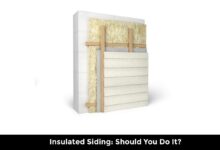
Traditional vinyl or fiber cement siding offers little to no insulation value. In contrast, insulated siding integrates a high-density foam board (usually expanded polystyrene or EPS) bonded to the back of the panel. This creates a consistent thermal barrier across the entire wall surface.
- Reduces air infiltration by sealing gaps and seams
- Improves overall R-value of exterior walls by 2–5 points
- Minimizes temperature fluctuations inside the home
According to the U.S. Department of Energy, up to 40% of a home’s heat loss occurs through the walls. Insulated siding directly addresses this issue by enhancing the building envelope’s performance. Learn more about insulation and energy savings from Energy.gov.
Benefits of insulated siding – Benefits of insulated siding menjadi aspek penting yang dibahas di sini.
Real-World Impact on Heating and Cooling Costs
Homeowners who install insulated siding often report noticeable reductions in their monthly HVAC bills. A study by the Oak Ridge National Laboratory found that adding continuous exterior insulation can reduce heating and cooling energy use by up to 20%.
“Continuous insulation on the exterior can dramatically improve a wall system’s thermal performance, especially when combined with air sealing.” — Oak Ridge National Laboratory, Building Technologies Research
This means that over time, the initial cost of insulated siding can be offset by energy savings alone. In colder climates like the Northeast or Midwest, these savings are even more pronounced due to longer heating seasons.
2. Enhanced Indoor Comfort and Temperature Stability
Beyond saving money, the benefits of insulated siding include a more comfortable living environment. Fluctuating indoor temperatures, cold spots near exterior walls, and drafts are common issues in homes with poorly insulated exteriors.
Eliminating Cold Spots and Drafts
Because insulated siding covers the entire wall surface—including over studs—it prevents the formation of cold spots that occur when wood or metal framing conducts heat outward. This results in more uniform wall temperatures and fewer drafts.
Benefits of insulated siding – Benefits of insulated siding menjadi aspek penting yang dibahas di sini.
- Creates a more consistent indoor climate room by room
- Reduces reliance on space heaters or extra blankets in winter
- Improves comfort near windows and exterior doors
Homeowners in regions with extreme seasonal shifts report that insulated siding helps maintain a stable indoor temperature, reducing the need for constant thermostat adjustments.
Year-Round Performance in All Climates
While often associated with cold climates, the benefits of insulated siding extend to hot and humid regions as well. In summer, the insulation layer acts as a thermal buffer, slowing down heat transfer from the sun-baked exterior into the home.
This means air conditioning systems don’t have to work as hard to maintain cool indoor temperatures. As a result, homes stay cooler for longer, even during peak afternoon heat.
Additionally, insulated siding helps manage radiant heat gain, which is a major contributor to indoor overheating in southern states. When combined with reflective paint colors or light-colored siding, the cooling effect is amplified.
Benefits of insulated siding – Benefits of insulated siding menjadi aspek penting yang dibahas di sini.
3. Improved Noise Reduction and Sound Insulation
Another often-overlooked benefit of insulated siding is its ability to reduce external noise. Whether you live near a busy street, an airport, or a noisy neighborhood, sound transmission through walls can significantly impact quality of life.
How Insulated Siding Acts as a Sound Barrier
The foam backing in insulated siding doesn’t just resist heat—it also absorbs and dampens sound waves. The combination of the rigid foam layer and the siding material itself creates a denser wall assembly that blocks airborne noise more effectively than standard siding.
- Reduces traffic, construction, and neighborhood noise by up to 30%
- Improves speech privacy between rooms and from outside
- Enhances overall acoustic comfort indoors
While it’s not a replacement for dedicated soundproofing materials like mass-loaded vinyl, insulated siding provides a meaningful improvement in noise reduction—especially when installed over existing sheathing with proper sealing.
Real-Life Applications for Noise Control
Families living in urban or suburban environments have reported quieter interiors after switching to insulated siding. This is particularly beneficial for bedrooms, home offices, and media rooms where peace and concentration are essential.
Benefits of insulated siding – Benefits of insulated siding menjadi aspek penting yang dibahas di sini.
For homes near highways or commercial zones, the added layer of insulation can make a noticeable difference in daily comfort. Some manufacturers even offer specialized insulated siding products designed for high-noise areas.
“Exterior insulation can contribute to better sound attenuation, especially when combined with air-sealed wall assemblies.” — Building Science Corporation
4. Increased Home Durability and Moisture Resistance
The benefits of insulated siding aren’t limited to energy and comfort—they also include long-term protection for your home’s structure. Moisture intrusion, rot, and mold are common problems in homes with inadequate exterior protection.
How Insulated Siding Prevents Moisture Build-Up
Modern insulated siding systems are designed with drainage channels and ventilation gaps that allow any moisture that gets behind the siding to escape. This is critical because trapped moisture can lead to wood rot, mold growth, and structural damage over time.
- Features integrated rain screens or drainage planes
- Promotes airflow behind the siding to dry out moisture
- Reduces the risk of mold and mildew on sheathing and framing
Unlike older siding types that could trap moisture against the wall, today’s insulated siding products are engineered for moisture management. This is especially important in humid climates or areas with frequent rainfall.
Benefits of insulated siding – Benefits of insulated siding menjadi aspek penting yang dibahas di sini.
Protection Against Thermal Cycling and Material Fatigue
Thermal cycling—the repeated expansion and contraction of building materials due to temperature changes—can cause cracks, warping, and gaps in siding over time. Insulated siding reduces this effect by stabilizing the temperature of the wall assembly.
With less extreme temperature swings, the materials experience less stress, leading to longer lifespan and reduced maintenance needs. This is particularly beneficial for vinyl siding, which can become brittle in cold weather or soften in extreme heat.
By buffering these temperature extremes, insulated siding helps maintain the integrity of both the siding and the underlying structure, contributing to a more durable and resilient home exterior.
5. Boosted Curb Appeal and Property Value
While functionality is key, the aesthetic benefits of insulated siding should not be underestimated. Modern insulated siding comes in a wide range of styles, colors, and textures that mimic wood, stone, and other premium materials—without the high cost or maintenance.
Benefits of insulated siding – Benefits of insulated siding menjadi aspek penting yang dibahas di sini.
Versatile Design Options for Every Home Style
Whether you own a colonial, ranch, craftsman, or contemporary home, insulated siding is available in profiles that complement your architecture. From horizontal lap siding to shingle-style and board-and-batten looks, the design flexibility is impressive.
- Available in multiple textures: smooth, wood grain, cedar shake
- Wide color palette with fade-resistant finishes
- Customizable trim and accent pieces for a high-end look
Manufacturers like Mastic, Alside, and James Hardie offer insulated siding lines that combine performance with visual appeal, making it easy to upgrade your home’s appearance while improving its efficiency.
Impact on Home Resale Value
According to the Remodeling Impact Report by the National Association of Realtors, siding replacements consistently rank among the top home improvements for return on investment (ROI). Insulated siding, in particular, offers a higher ROI than standard siding due to its energy-saving features.
Buyers are increasingly looking for energy-efficient homes, and insulated siding is a visible indicator of a well-maintained, modernized property. In competitive real estate markets, this can be a decisive factor for potential buyers.
Benefits of insulated siding – Benefits of insulated siding menjadi aspek penting yang dibahas di sini.
Additionally, the improved durability and lower maintenance requirements make insulated siding an attractive feature for long-term homeowners and investors alike.
6. Environmental Benefits and Sustainability
The benefits of insulated siding extend to environmental impact. As homeowners and builders seek greener building solutions, insulated siding offers a way to reduce carbon emissions and resource consumption over the life of a home.
Reducing Carbon Footprint Through Energy Efficiency
By lowering the demand for heating and cooling, insulated siding reduces the amount of fossil fuels burned to generate electricity or heat homes. This directly translates to fewer greenhouse gas emissions.
- Lowers household energy consumption by up to 20%
- Reduces reliance on non-renewable energy sources
- Contributes to net-zero energy home goals
When combined with other energy-efficient upgrades—such as high-performance windows, LED lighting, and efficient HVAC systems—insulated siding plays a key role in creating sustainable homes.
Benefits of insulated siding – Benefits of insulated siding menjadi aspek penting yang dibahas di sini.
The U.S. Environmental Protection Agency’s Green Homes program highlights exterior insulation as a critical component of energy-efficient building design.
Use of Recycled and Recyclable Materials
Many insulated siding products incorporate recycled content in both the siding material and the foam insulation. For example, some vinyl-based insulated siding contains post-consumer recycled plastic, reducing the need for virgin materials.
At the end of its lifecycle (typically 40–50 years), insulated siding can often be recycled or repurposed, minimizing landfill waste. Some manufacturers offer take-back programs or partner with recycling facilities to ensure responsible disposal.
“Sustainable building materials that improve energy performance are essential for reducing the environmental impact of homes.” — U.S. Green Building Council
7. Long-Term Cost Savings and Low Maintenance
While the upfront cost of insulated siding may be higher than traditional siding, the long-term financial benefits make it a smart choice for homeowners focused on value and durability.
Benefits of insulated siding – Benefits of insulated siding menjadi aspek penting yang dibahas di sini.
Lower Maintenance Requirements Compared to Other Siding
Insulated siding is typically made from durable materials like vinyl, fiber cement, or engineered polymers that resist fading, cracking, and insect damage. Unlike wood siding, it doesn’t require painting, staining, or sealing every few years.
- Resists warping, rotting, and pest infestation
- Easy to clean with a garden hose or pressure washer
- Warranties often range from 20 to lifetime coverage
This means fewer repairs, lower maintenance costs, and less time spent on exterior upkeep—freeing homeowners to enjoy their property rather than constantly maintaining it.
Return on Investment and Payback Period
According to data from Remodeling Magazine’s Cost vs. Value Report, insulated vinyl siding has one of the highest ROIs among exterior remodeling projects—often recouping over 80% of its cost at resale.
The payback period for insulated siding typically ranges from 7 to 12 years, depending on climate, energy prices, and home size. In regions with high heating and cooling costs, the payback can be even faster.
Benefits of insulated siding – Benefits of insulated siding menjadi aspek penting yang dibahas di sini.
When factoring in energy savings, increased comfort, and reduced maintenance, the total lifetime value of insulated siding far exceeds its initial price tag.
What is insulated siding?
Insulated siding is exterior cladding that has a layer of rigid foam insulation permanently attached to the back of the siding panel. It combines the protective and aesthetic functions of traditional siding with enhanced thermal performance, improving energy efficiency and comfort.
Does insulated siding really save energy?
Benefits of insulated siding – Benefits of insulated siding menjadi aspek penting yang dibahas di sini.
Yes, insulated siding can reduce heating and cooling costs by 10–20% by improving the wall’s R-value and reducing air leakage. It creates a more consistent thermal barrier than standard siding, leading to measurable energy savings over time.
Is insulated siding more expensive than regular siding?
Yes, insulated siding typically costs 10–30% more than non-insulated siding. However, the higher upfront cost is often offset by energy savings, increased home value, and lower maintenance over the product’s lifespan.
Can insulated siding be installed over existing siding?
Benefits of insulated siding – Benefits of insulated siding menjadi aspek penting yang dibahas di sini.
In many cases, yes. Insulated siding can be installed over existing wood, vinyl, or fiber cement siding if the underlying surface is in good condition and properly prepared. A professional assessment is recommended to ensure proper installation and performance.
How long does insulated siding last?
Most insulated siding products have a lifespan of 40 to 50 years or more, depending on material, climate, and maintenance. Many manufacturers offer 20- to 40-year warranties, with some providing lifetime coverage for the original homeowner.
In conclusion, the benefits of insulated siding are clear and far-reaching. From slashing energy bills and boosting indoor comfort to enhancing durability and increasing property value, this innovative building material offers a powerful combination of performance and aesthetics. Whether you’re building new or remodeling, insulated siding is a forward-thinking choice that pays off in comfort, savings, and sustainability for decades to come.
Further Reading: